
Titanium Welding Wire Factory: Production and Inspection Audit
- Titanium Welding Wire
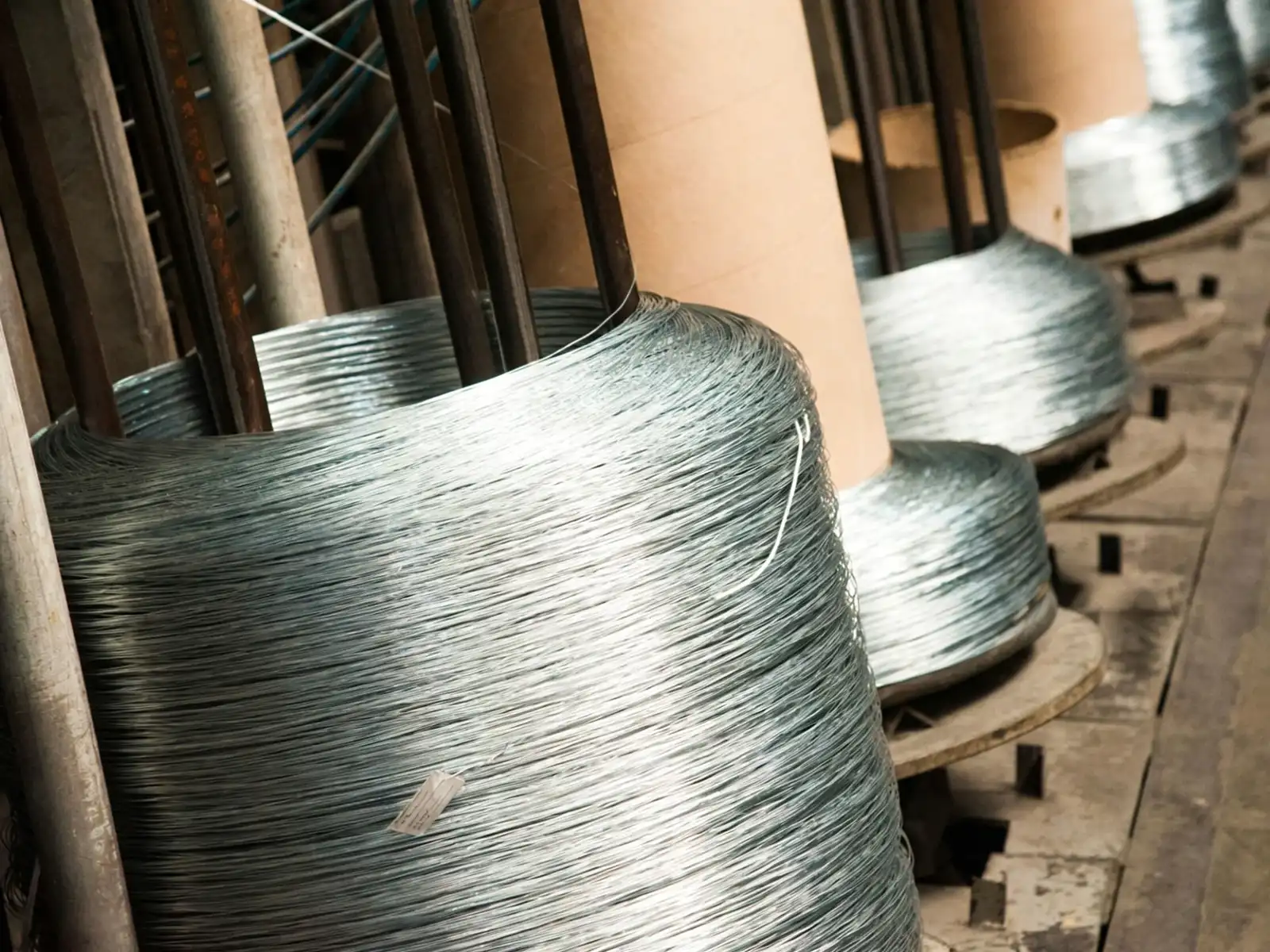
A titanium welding wire factory review follows the material through production and release. Ask the proposed source to identify the operations it performs, the operations it subcontracts and the records that link the shipped spool to its material lot.
1. Selection and Acceptance Decisions
- Trace one sample spool through incoming material, drawing, cleaning, inspection and final packaging records.
- Ask for evidence of diameter checks, surface handling, identification and contamination controls at the relevant stations.
- Distinguish owned equipment from subcontracted processes and agree how outside processing is controlled.
Send a specification for this material with the grade, dimensions, quantity, intended use and the acceptance details listed above. Ask for confirmation of the quoted size, condition and documentation.
2. Capability Indicators to Audit
Indicator | What to look for |
Diameter capability | Fine wire to φ0.1 mm class for structure wire; welding wire φ0.8–3.0 mm |
Tolerance practice | ±0.05 mm class commercial, ±0.01 mm class for fine product — stated per band |
Hydrogen control | Historical certificates with H ≤ 0.015% (alloy) / ≤ 0.008% class (CP) |
Batch spread | 3–5 heats of tensile/chemistry data with narrow scatter |
Automation | In-line laser gauging and ECT, not end-of-run sampling only |
Traceability | Heat number visible from ingot to spool label to certificate |
Table 1 — What separates a capable titanium weld wire factory from a converter.
3. Factory Audit Checklist
On a visit or document audit: verify the melt records tie to the shipped heats; watch the annealing furnace atmosphere (vacuum/inert — ask how alpha-case is prevented); confirm ECT settings and defect marking; check spooling tension control (cast/helix stability); and review how hydrogen values are actually measured (inert-gas fusion, not XRF — XRF cannot see hydrogen). Custom size, condition, tolerance and documentation can be reviewed to the purchase specification.
FAQ
(1) How is hydrogen measured in titanium weld wire?
By inert-gas fusion analysis, not XRF — XRF cannot detect hydrogen, so a certificate whose H value comes from XRF practice is not valid chemistry evidence.
(2) Why does the factory need vacuum annealing?
Titanium absorbs oxygen and nitrogen at annealing temperature; vacuum or inert atmosphere prevents the brittle alpha-case layer and keeps hydrogen out of the final wire.
(3) What is a good batch spread?
Tensile within roughly ±3–5% across heats is strong control; wider scatter indicates unstable melting or heat treatment and predicts weld-procedure drift.
(4) Should the factory also melt its own ingots?
Melting capability improves chemistry control and traceability, but converters buying qualified rod can also perform — audit the upstream material chain in either case.
(5) How is diameter verified in line?
Laser gauges measure continuously during drawing and spooling; the factory should publish the tolerance band per diameter class and the measurement method. Custom size, condition, tolerance and documentation can be reviewed to the purchase specification.
4. Related Resources and Inquiry
See the titanium wire category or send your specification to discuss a factory audit or supply program.
Baoji Titanium Valley Titanium Nickel Zirconium Material Processing Co., Ltd. produces titanium wire and welding wire per ASTM B863 / AWS A5.16 from a dedicated drawing line, from fine wire to welding filler on spools, under ISO 9001 / ISO 13485. Send your specification to sales@titaniumvalleys.com — Custom size, condition, tolerance and documentation can be reviewed to the purchase specification.
5. Related Reading
- Titanium Welding Wire Manufacturer: Qualification and Repeat Supply
- Titanium Welding Wire Suppliers: Quote and Documentation Checklist
References
1. AWS A5.16/A5.16M, Specification for Titanium and Titanium Alloy Welding Electrodes and Rods.
2. ASTM B863, Standard Specification for Titanium and Titanium Alloy Wire.
3. EN 10204, Metallic Products — Types of Inspection Documents.
This article is a technical reference. It does not constitute a commercial offer; dimensions, tolerances and documentation are confirmed at order review.
Published by: Titanium Valley Technical Team. Technical and quality review: pending.