
Pure Zirconium Foil: Zr702 Identity and Material Documents
- Zirconium Foil
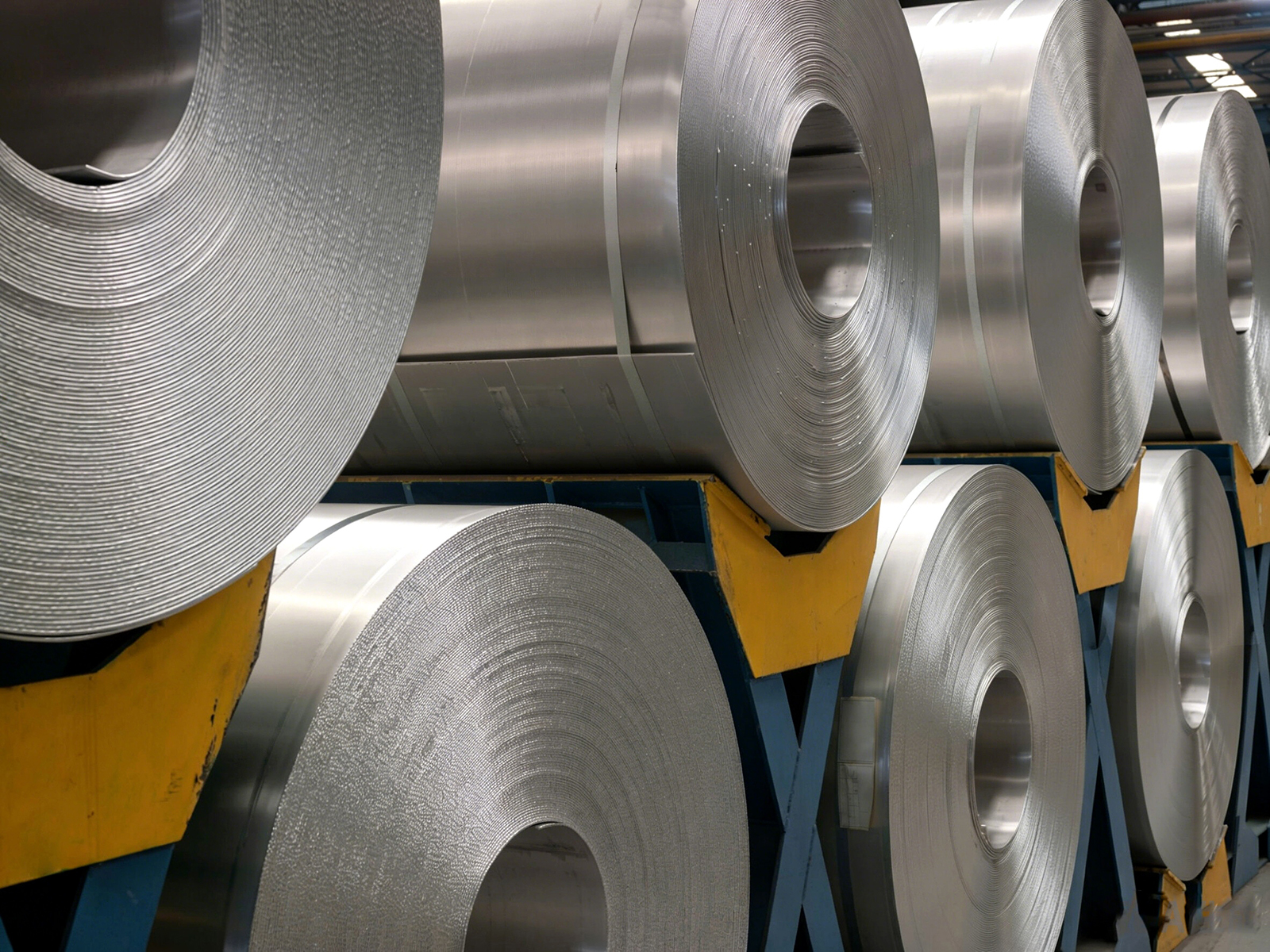
Pure zirconium foil is often specified as commercially pure Zr702. Review material identity and chemistry separately from foil thickness, and connect the supplied lot to the test report before accepting the order.
1. Selection and Acceptance Decisions
- Require the grade, standard edition, condition and heat or lot identification on the order and report.
- Review reported zirconium and hafnium information against the governing specification rather than treating pure as a numerical guarantee.
- Define the intended fabrication or service use so cleanliness and additional testing can be agreed.
Send a specification for this material with the grade, dimensions, quantity, intended use and the acceptance details listed above. Ask for confirmation of the quoted size, condition and documentation.
2. Chemical Composition
Element | Limit (%) |
Zr + Hf | ≥ 99.2 |
Hf | ≤ 4.5 |
Fe + Cr | ≤ 0.20 |
Oxygen (O) | ≤ 0.16 |
Nitrogen (N) | ≤ 0.025 |
Carbon (C) | ≤ 0.05 |
Hydrogen (H) | ≤ 0.005 |
Table 1 — Zr702 composition per ASTM B551 (confirm against the contracted edition).
3. Properties
Property | Value |
Tensile strength (min, annealed) | ≥ 379 MPa (55 ksi) |
Elongation (min) | 16–20% per gauge band |
Density | 6.51 g/cm³ |
Melting point | ≈ 1852℃ |
Magnetism | Non-magnetic |
Table 2 — Annealed properties per ASTM B551 and typical physical data.
4. How Pure Zirconium Foil Is Made
The route: vacuum-melted zirconium ingot → hot rolling to strip → multi-pass cold rolling on a 20-high mill with intermediate annealing → final anneal → ultrasonic plus alkaline cleaning (dyne ≥ 44 class) → slitting. Zirconium work-hardens quickly and is oxidation-sensitive, so intermediate and final annealing run under vacuum or inert atmosphere. Foil tolerances are quoted by thickness band — roughly ±0.003–0.005 mm at 0.02–0.05 mm, ±0.005 mm at 0.05–0.3 mm and ±0.01 mm at 0.3–0.8 mm — and ultra-thin gauges below 0.02 mm are custom development product.
5. Where Zr702 Foil Beats Titanium Foil
In non-fluoride reducing acids — hydrochloric over a wide range, dilute-to-mid sulfuric, organic and mixed acids — titanium’s film dissolves and perforates while zirconium’s holds. Titanium wins in oxidizing acids, neutral chloride service and weight-sensitive structures (6.51 vs 4.51 g/cm³). Neither survives hydrofluoric acid. Zirconium foil is also non-conductive by metal standards, so it is a corrosion separator and seal — not a battery current collector.
Applications
- Acid-service gaskets and seals — 0.05–0.3 mm typical for HCl and acid-system flanges;
- Corrosion liners and separators — electrolysis and pickling equipment;
- Precision instruments — non-magnetic, acid-proof shielding and substrates;
- Research and special electrochemical cells — ultra-thin custom gauges.
FAQ
(1) What is the difference between Zr702 foil and titanium foil?
Zr702 resists reducing acids (HCl, sulfuric, organics) that corrode titanium; titanium is lighter, conductive and better in oxidizing or neutral chloride service. Selection follows the medium, not the metal.
(2) What thicknesses are available in pure zirconium foil?
0.02–0.8 mm is the standard commercial band (widths 350–670 mm class), with custom ultra-thin gauges below 0.02 mm reviewed case by case. Custom size, condition, tolerance and documentation can be reviewed to the purchase specification.
(3) Can zirconium foil be used as a battery current collector?
Generally no — zirconium is a poor conductor and 44% denser than titanium; its foil role is corrosion separation and sealing, not current carrying.
(4) Is Zr702 foil weldable?
Yes — TIG under inert-gas shielding with rigorous cleanliness; hydrogen discipline decides weld quality.
(5) Which standard governs pure zirconium foil?
ASTM B551/B551M, with GB/T 21183 in the Chinese system; name the edition on the order.
Related Resources and Inquiry
See the zirconium foil category or send your specification.
Baoji Titanium Valley Titanium Nickel Zirconium Material Processing Co., Ltd. produces zirconium foil, strip, sheet and plate per ASTM B551/B551M (R60702 / R60705) from vacuum-melted ingots on a 750 mm 20-high precision rolling line under ISO 9001 / ISO 13485. Send your specification to sales@titaniumvalleys.com — Custom size, condition, tolerance and documentation can be reviewed to the purchase specification.
6. Related Reading
- Thin Zirconium Foil: Gauge, Pinholes and Packaging
- Zirconium 702 Plate: Service Review and Fabrication
References
1. ASTM B551/B551M, Standard Specification for Zirconium and Zirconium Alloy Strip, Sheet, and Plate.
2. ASTM E8/E8M, Standard Test Methods for Tension Testing of Metallic Materials.
3. GB/T 21183, Zirconium and Zirconium Alloy Sheet, Strip and Foil.
This article is a technical reference. It does not constitute a commercial offer; dimensions, tolerances and documentation are confirmed at order review.
Published by: Titanium Valley Technical Team. Technical and quality review: pending.