
Thin Zirconium Foil: Gauge, Pinholes and Packaging
- Zirconium Foil
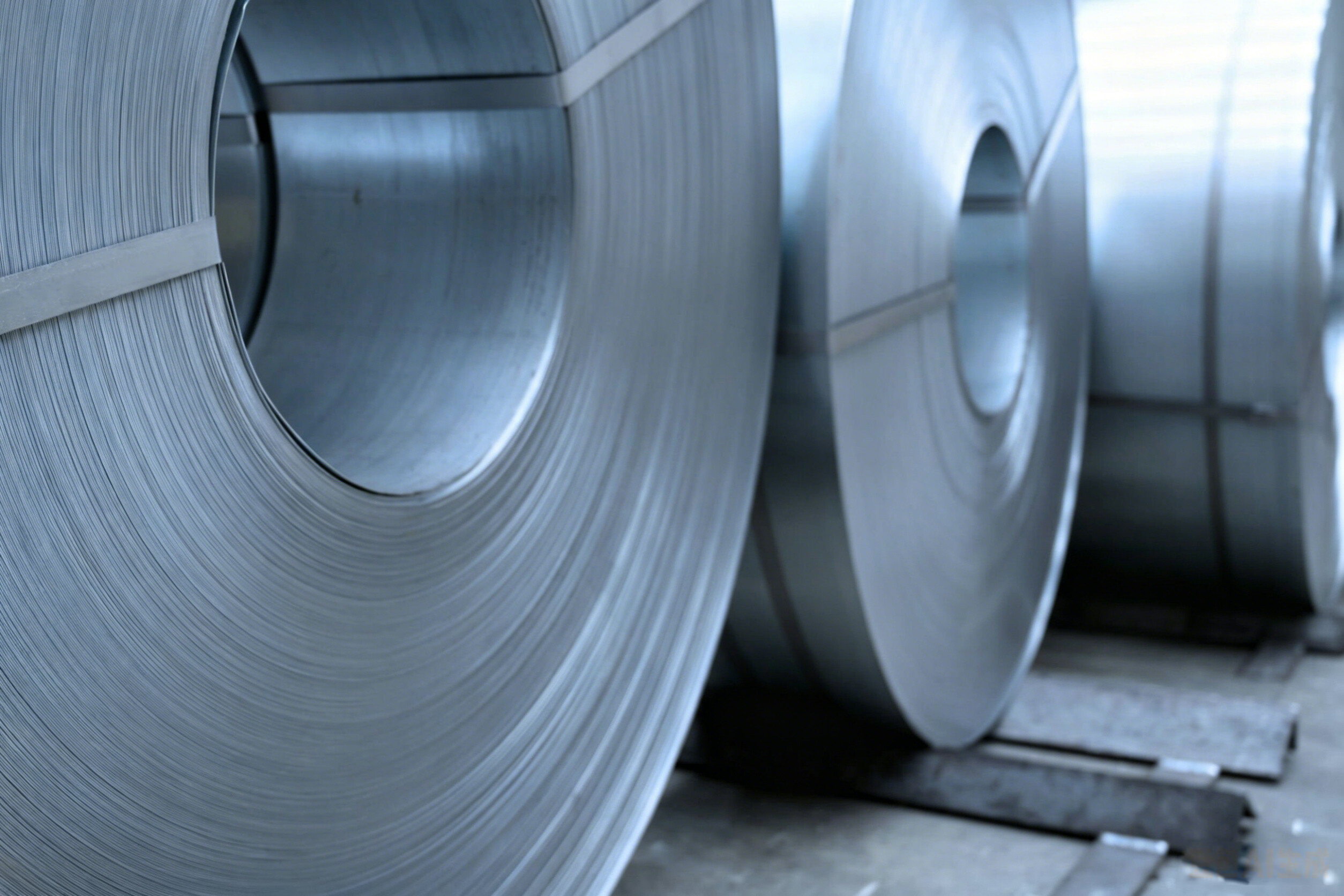
Thin zirconium foil requires a clear agreement on gauge measurement and handling as well as material grade. Define how the foil will be inspected and packaged before comparing quotes for an ultra-thin order.
1. Selection and Acceptance Decisions
- Agree measurement locations, method and acceptance for thickness variation across the width and along the length.
- Specify edge condition, allowable visible defects and a pinhole inspection method if pinholes matter to the application.
- State coil dimensions or cut-sheet format and the packaging needed to limit wrinkles, contamination and handling damage.
Send a specification for this material with the grade, dimensions, quantity, intended use and the acceptance details listed above. Ask for confirmation of the quoted size, condition and documentation.
2. Gauge Bands and Tolerance Practice
Band | Typical tolerance practice | Position |
0.02 – <0.05 mm | ±0.003–0.005 mm class | Standard commercial thin foil |
0.05–0.3 mm | ±0.005 mm class | Seal and liner band |
0.3–0.8 mm | ±0.01 mm class | Thin strip/structural band |
< 0.02 mm (custom) | Per technical agreement | Research and special-cell product |
Table 1 — Thickness bands and the tolerance practice that goes with each; confirm per standard and contract.
3. Why Thin Zirconium Is Hard to Roll
Three material behaviors raise the difficulty against titanium: zirconium work-hardens quickly, its oxidation sensitivity forces vacuum/inert intermediate annealing, and its higher elastic recovery fights flatness control. The result is that thin-gauge capability, across-width thickness profile and edge quality are three separate supplier attributes — verify each, and ask for full-width thickness distribution data rather than an average.
What Thin Foil Buys You
- Acid-service seals — 0.05–0.3 mm gaskets where corrosion allowance plus flexibility both matter;
- Liners and separators — thin Zr702 as the acid-proof barrier layer in layered structures;
- Instrument parts — non-magnetic, acid-proof diaphragms and shields;
- Special electrochemical cells — custom sub-0.02 mm research product, project-quoted.
4. Verification Checklist
Before accepting thin zirconium foil: full chemistry including O/N/H; tensile for the actual gauge band (thin-gauge values scatter more than block values); across-width thickness profile; edge condition and burr limits; surface cleanliness (dyne class); and the state — annealed for forming, cold-rolled for stiffness. Custom size, condition, tolerance and documentation can be reviewed to the purchase specification.
FAQ
(1) What is the thinnest zirconium foil available?
0.02 mm is the standard commercial floor; 0.005–0.02 mm is custom development product quoted per project with feasibility and batch-stability review. Custom size, condition, tolerance and documentation can be reviewed to the purchase specification.
(2) Does thinner foil corrode faster?
No — corrosion rate is set by medium, concentration and temperature, not thickness. Thinner foil simply has less corrosion allowance, so lifetime scales down with gauge in aggressive media.
(3) Why are thin-foil tolerances quoted per band?
Because the achievable tolerance is a percentage of gauge: a flat ±0.001 mm promise is meaningless across 0.02 mm and 0.5 mm product. Band-based tolerances are the honest commercial practice.
(4) Should I order annealed or cold-rolled thin foil?
Annealed for forming, bending and welding; cold-rolled for flat parts needing stiffness. State the condition — it changes tensile and elongation materially.
(5) What should the certificate show for thin foil?
Heat number, full chemistry, tensile and elongation measured on the actual gauge band, thickness profile, edge condition, condition, standard and edition. Custom size, condition, tolerance and documentation can be reviewed to the purchase specification.
Related Resources and Inquiry
See the zirconium foil category or send your specification for a thin-foil review.
Baoji Titanium Valley Titanium Nickel Zirconium Material Processing Co., Ltd. produces zirconium foil, strip, sheet and plate per ASTM B551/B551M (R60702 / R60705) from vacuum-melted ingots on a 750 mm 20-high precision rolling line under ISO 9001 / ISO 13485. Send your specification to sales@titaniumvalleys.com — Custom size, condition, tolerance and documentation can be reviewed to the purchase specification.
5. Related Reading
- Pure Zirconium Foil: Zr702 Identity and Material Documents
- Zirconium 702 Sheet: Flatness and Forming Acceptance
References
1. ASTM B551/B551M, Standard Specification for Zirconium and Zirconium Alloy Strip, Sheet, and Plate.
2. ASTM E8/E8M, Standard Test Methods for Tension Testing of Metallic Materials.
3. GB/T 21183, Zirconium and Zirconium Alloy Sheet, Strip and Foil.
This article is a technical reference. It does not constitute a commercial offer; dimensions, tolerances and documentation are confirmed at order review.
Published by: Titanium Valley Technical Team. Technical and quality review: pending.