
Gr2 Titanium Wire: The Ultimate Material Guide for Engineers and Procurement Professionals
- Gr2 Titanium Wire
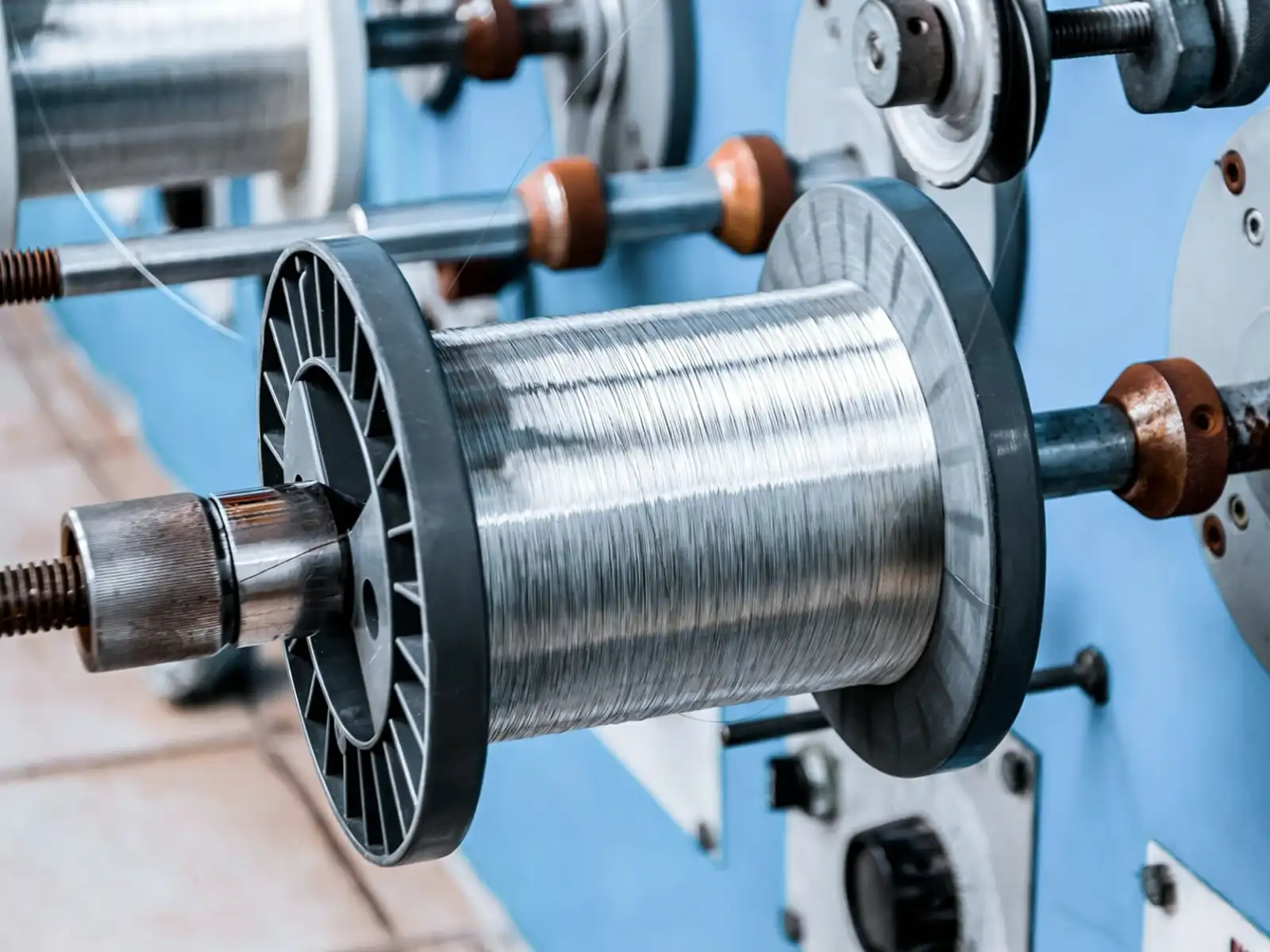
Engineering and procurement answer. Grade 2 titanium wire (UNS R50400) is an unalloyed titanium wire option. Buy it against a controlled material specification, component drawing and inspection plan. A generic grade label cannot prove that a particular diameter, condition or lot suits every chemical, marine, electrical or medical application.
Start with the correct wire specification
ASTM B863 covers titanium and titanium alloy wire, including Grade 2. Record the agreed edition in the order and certificate. State diameter and tolerance, coil or straight-length supply, condition, surface acceptance, quantity and packaging. If the wire will be welded, formed or used as feedstock, add the process-specific cleanliness, geometry and qualification requirements.
Match material data to the actual use
| Decision | What to verify |
|---|---|
| Strength and forming | Lot-specific tensile results, condition, bend/forming trial and finished geometry. |
| Corrosion service | Medium, concentration, temperature, flow, crevices and joint design. |
| Joining | Process procedure, shielding, filler compatibility and post-join inspection. |
| Electrical use | Required resistance or resistivity, geometry, temperature and test basis. |
| Regulated use | Separate application-specific material and finished-component qualification. |
Nominal property tables are screening information. Acceptance is determined by the specified standard, drawing and supplied-lot records. Do not treat a nominal grade composition as a measured certificate or a guaranteed service life.
Medical-material boundary
ASTM F67 addresses certain unalloyed titanium material for manufacture of surgical implants. A statement that Grade 2 appears in a medical-material standard does not establish biocompatibility, non-allergenicity, clinical performance or MRI status of a finished device. The device manufacturer must document those claims for the actual design and processing route.
RFQ checklist
- Grade 2 / UNS R50400 and the agreed ASTM B863 edition, or another expressly specified material standard.
- Diameter, tolerance, length or coil, condition and surface requirement.
- Intended fabrication and service environment.
- Material test certificate, heat/lot traceability and any supplementary tests.
- Quantity, sample request, delivery window and packaging.
Compare the titanium wire category, then send the controlled requirements through the technical RFQ. The stress–strain guide explains how to interpret mechanical-test curves.
Sources: ASTM B863 scope and ASTM F67 scope. Confirm the contracted edition and lot-specific certificate for numerical acceptance values.
Frequently asked questions
Is all Grade 2 titanium wire suitable for implants?
No. A material designation does not qualify a finished implant. The specified material edition, processing and device-specific testing must be evaluated.
What should a Grade 2 wire certificate identify?
At minimum, request the material grade, applicable specification and edition, heat or lot identity, required test results and traceability to the supplied wire.
Published by: Titanium Valleys
Technical review: General Manager of the Production Department
Quality review: Quality Inspection Department
Last reviewed: October 20, 2026