
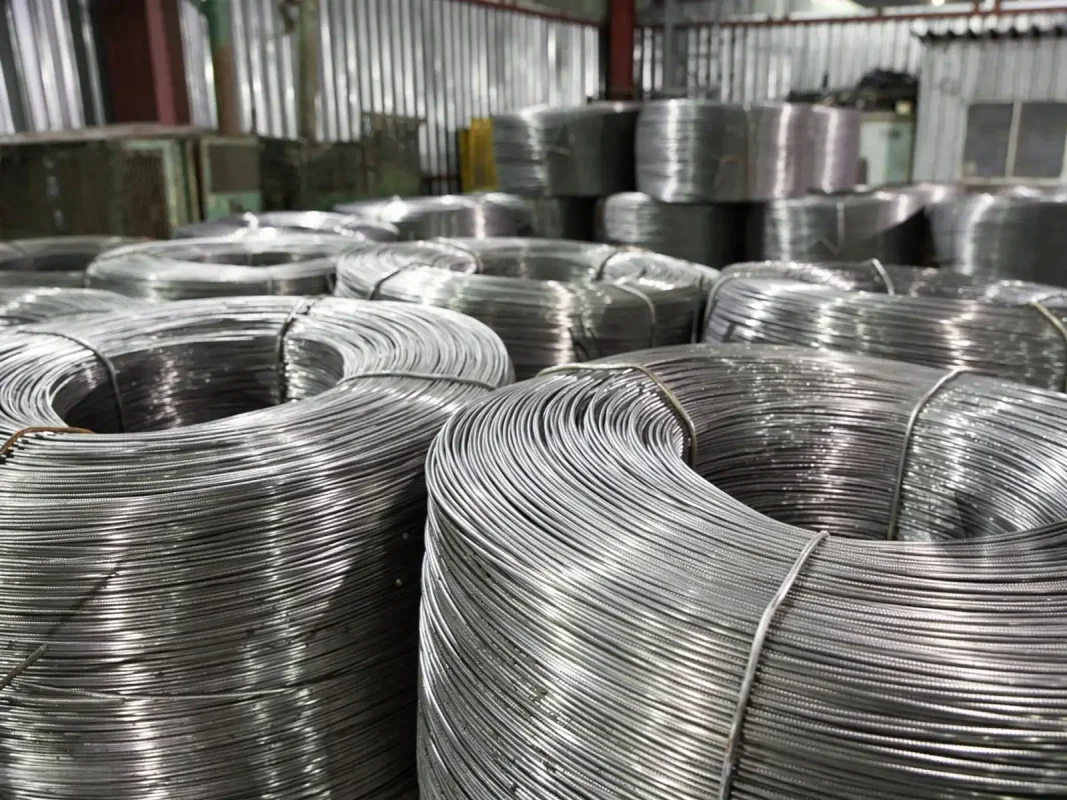
ASTM B550 Zirconium Wire: Grades and Order Requirements

ASTM B550/B550M covers zirconium and zirconium alloy bar and wire. When specifying zirconium w...
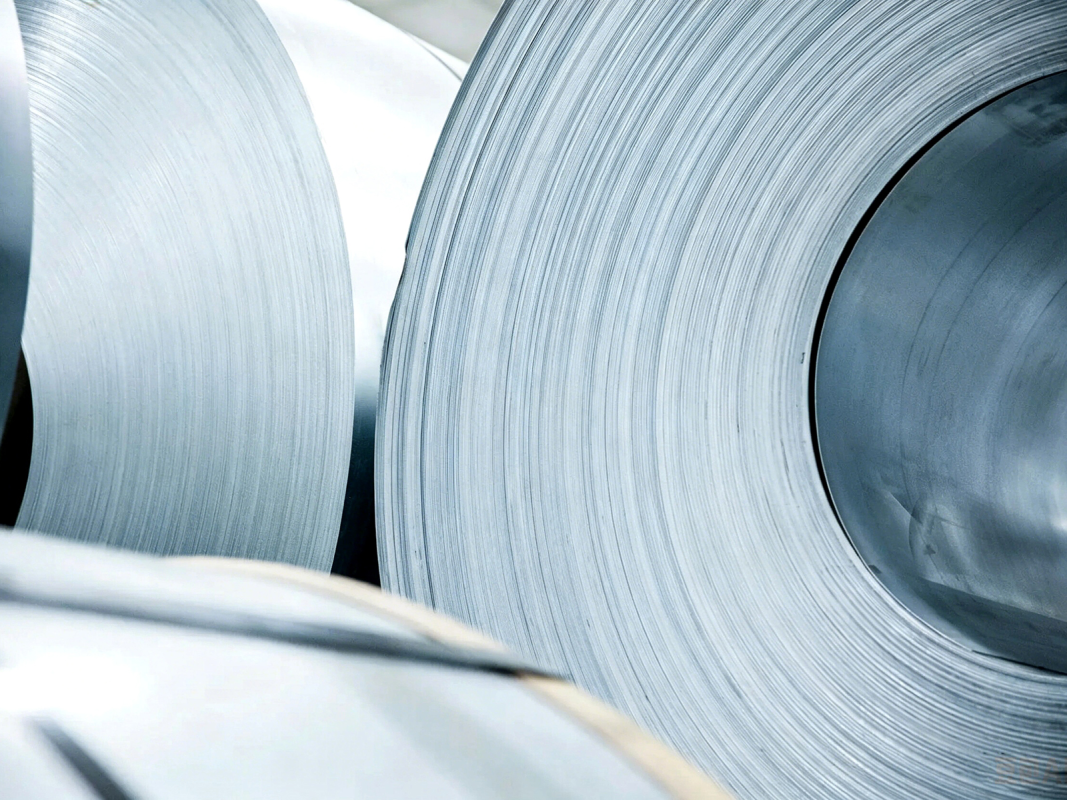
Nickel 200 Foil for Oil and Gas Components: Specification Guide
Nickel 200 Foil for Oil and Gas Components: Specification GuideDirect answer. For Nickel 200 foil, o...
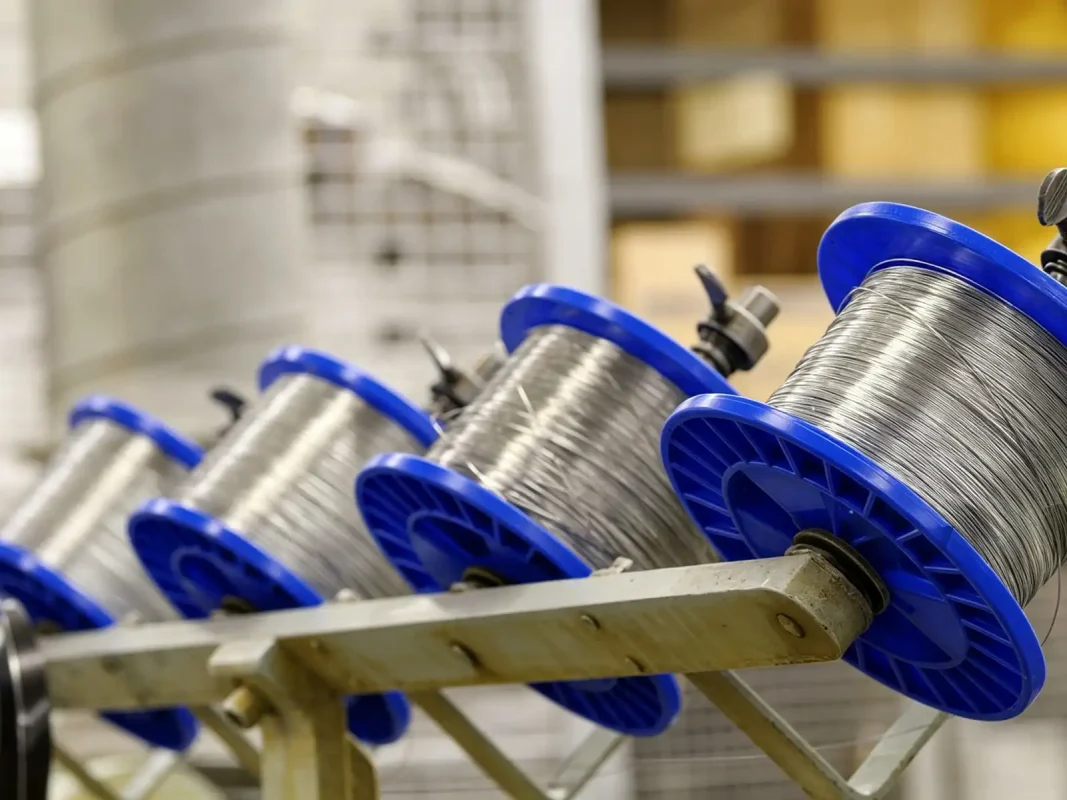
How Is Nickel 200 Wire Manufactured and Applied in Precision Industries?
Nickel 200 Wire is a high-purity industrial-grade nickel wire with a nickel content of ≥99.5%. With ...
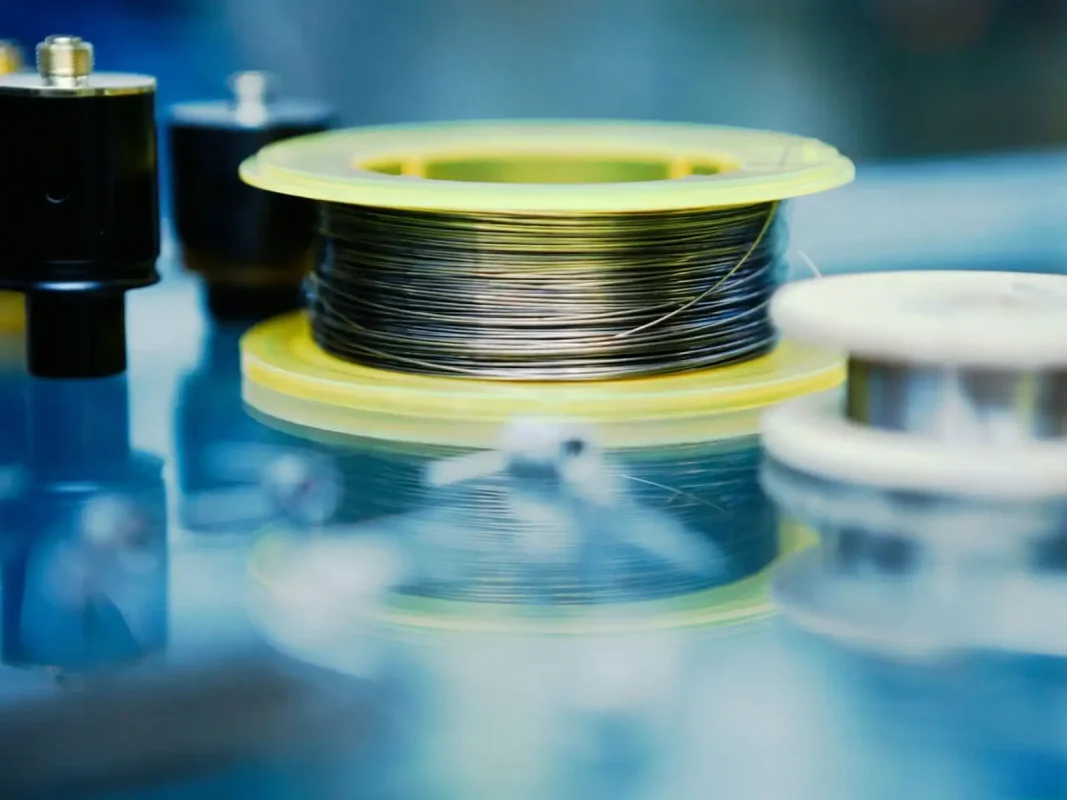
Why Is Nickel 200 Wire a High-Performance Conductive Material for Alkaline Environments?
Nickel 200 wire in alkaline service: UNS N02200 may be considered where electrical function and...
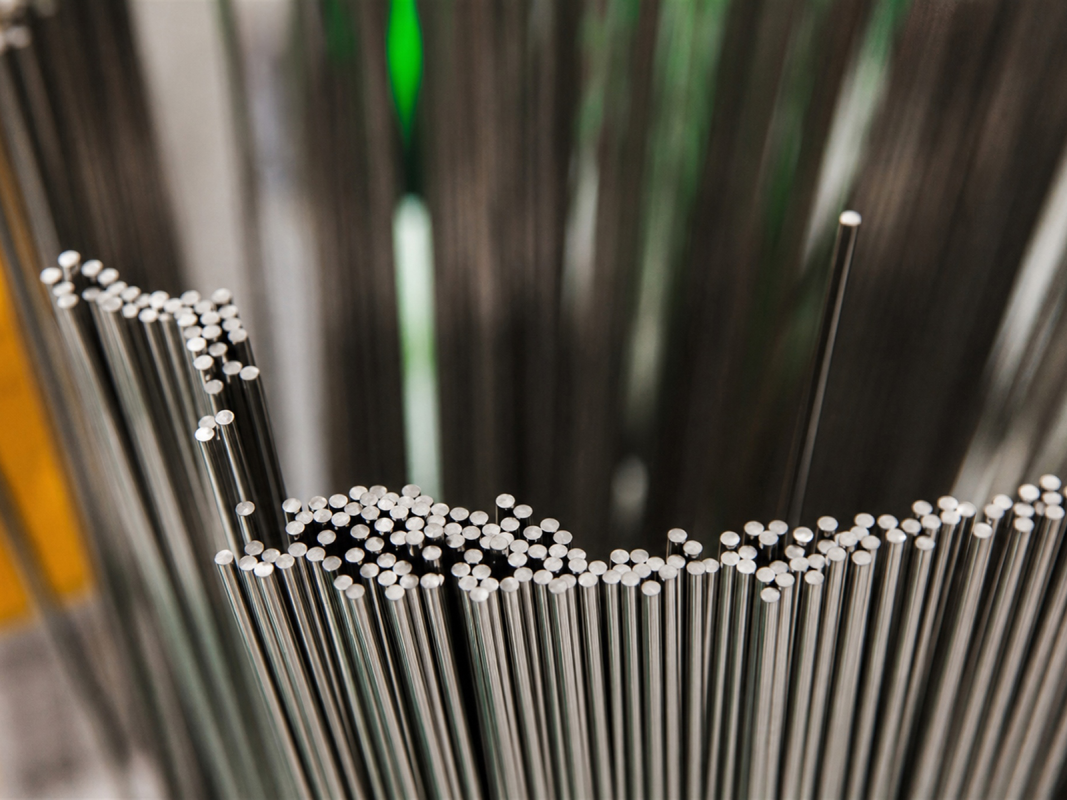
How Does TB13 Titanium Alloy Rod Perform as a Superelastic Beta Titanium Alloy?
Metastable β-type is setting off a material revolution in the global high-end manufacturing field. T...
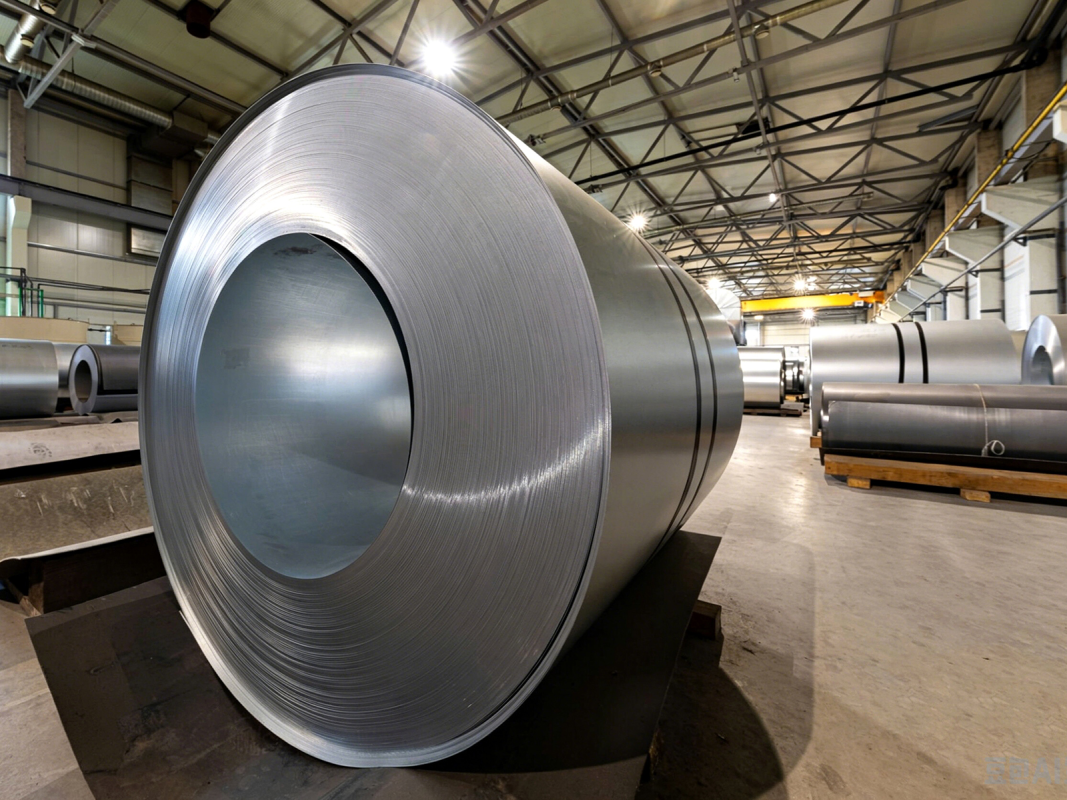
Why Is Ti-15V-3Al-3Cr-3Sn Titanium Foil Important for Aerospace and Precision Manufacturing?
Ti-15V-3Al-3Cr-3Sn Titanium Foil represents the top achievement of near-beta titanium alloy in the f...
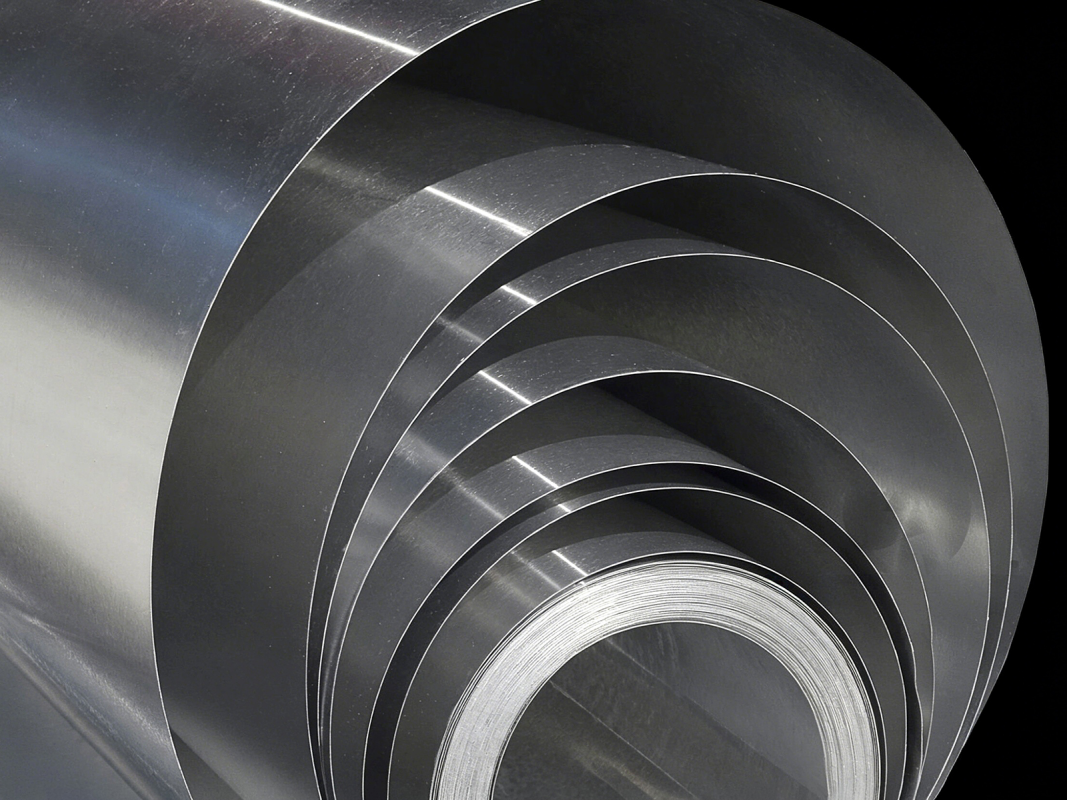
Which Is Better for High-Temperature Applications: Zr702 Zirconium or Pure Titanium Foil?
In high-temperature corrosive environments, material selection directly affects equipment life and o...
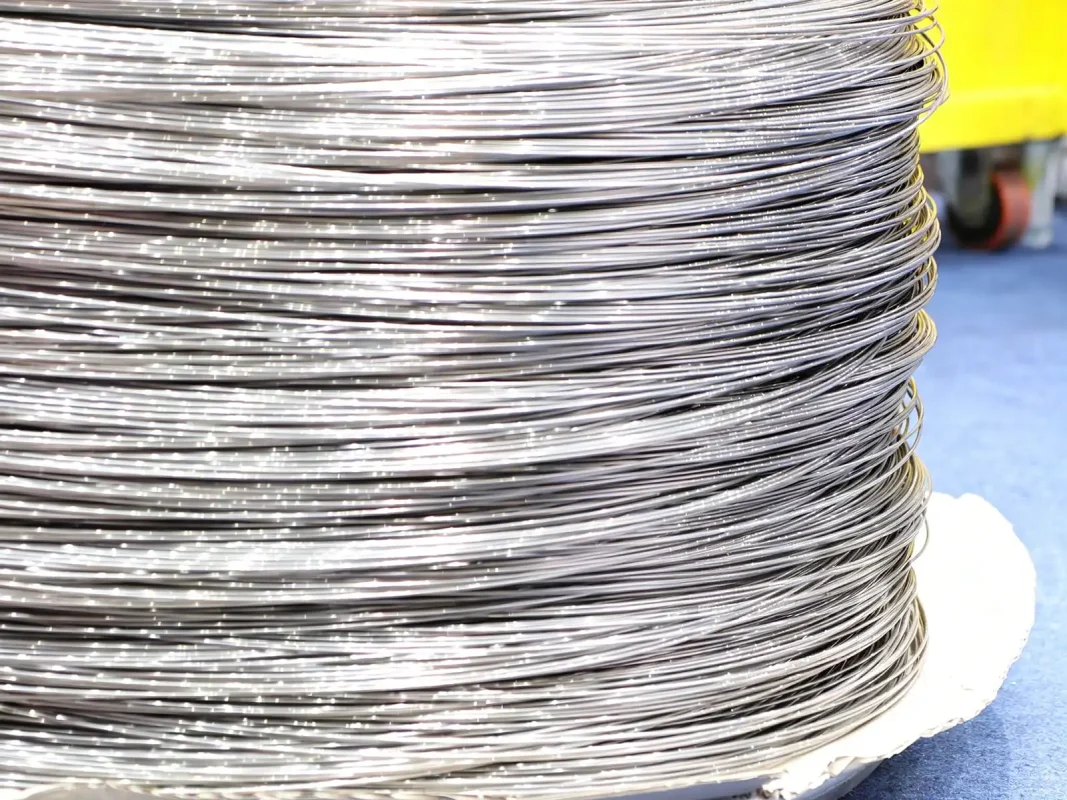
Why Has Nickel 200 Wire Become a Standard Material for Vacuum Electronic Components?
Nickel 200 wire for vacuum electronic components. Nickel 200 wire may be considered for a compo...
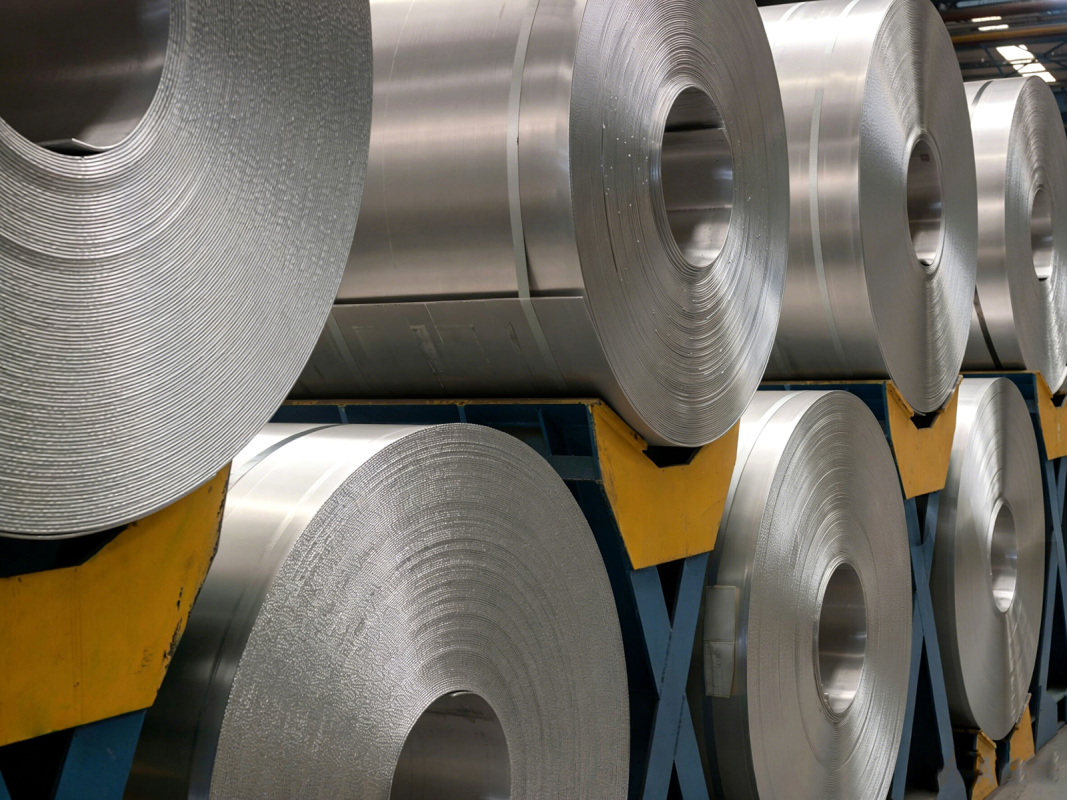
Nickel 200 Foil for Chemical Processing: Material Selection Guide
Nickel 200 Foil for Chemical Processing: Material Selection GuideDirect answer. For Nickel 200 foil,...

How Should UNS R60702 Zirconium Foil Thickness Be Specified?
UNS R60702 zirconium foil is a commercially pure zirconium product used where seal reliability and l...