
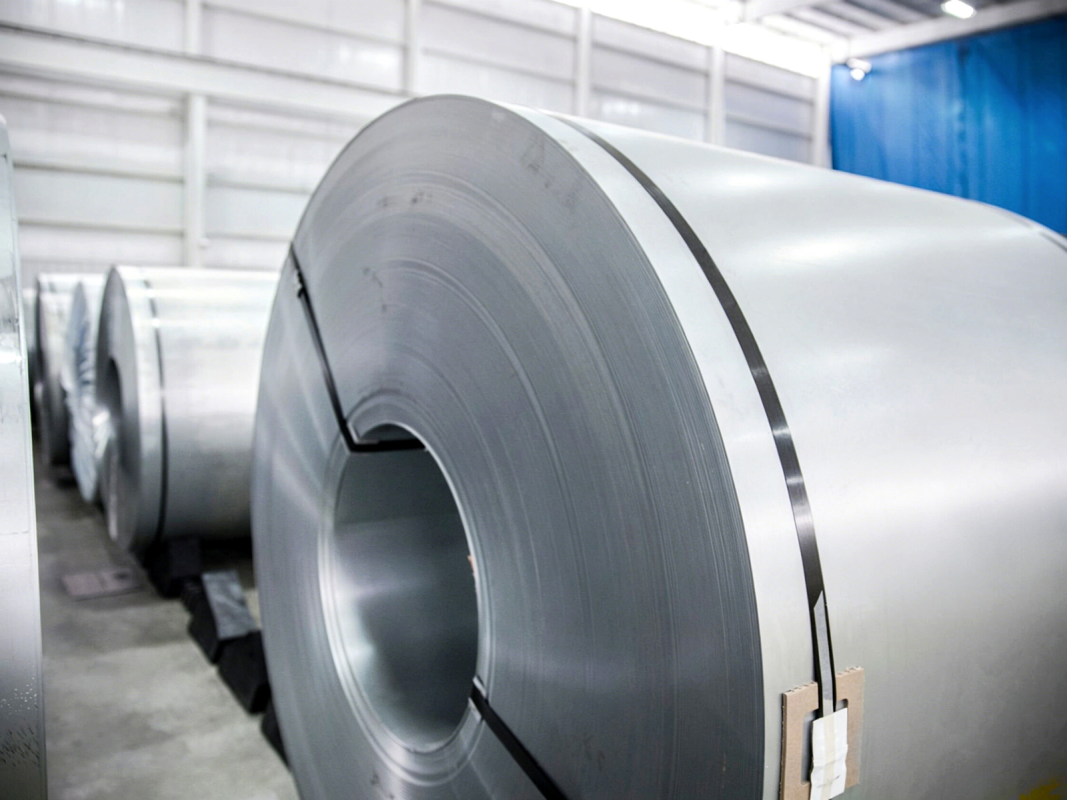
What Are the Three Most Common Misconceptions When Purchasing Gr5 Titanium Foil?

Gr5 Titanium Foil (Ti-6Al-4V per ASTM B265) is one of the most widely specified titanium alloys for ...
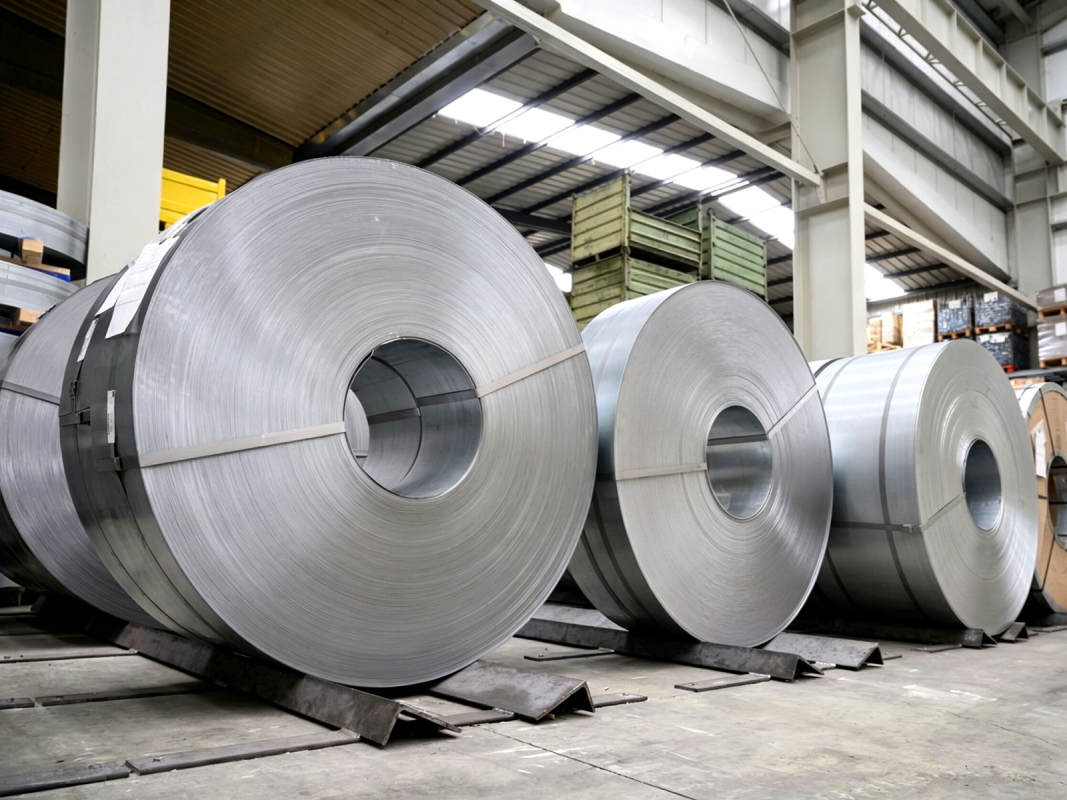
What Certifications Must Be Verified When Selecting a Zr702 Zirconium Foil Supplier?
Selecting a qualified Zr702 Zirconium Foil (Grade 2 commercially pure zirconium per ASTM B551) suppl...
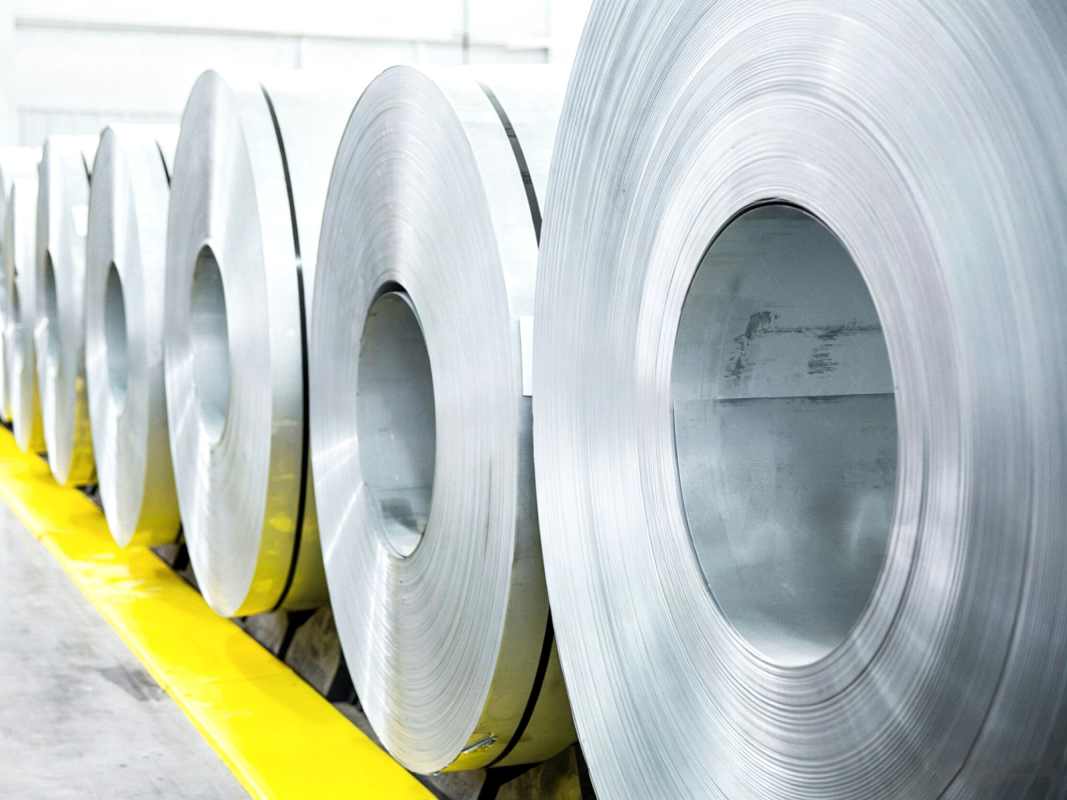
What Is the Critical Role of UNS R60702 Zirconium Foil in Nuclear Reactors?
UNS R60702 Zirconium Foil (commercially pure Grade 2 zirconium per ASTM B551) plays an indispensable...
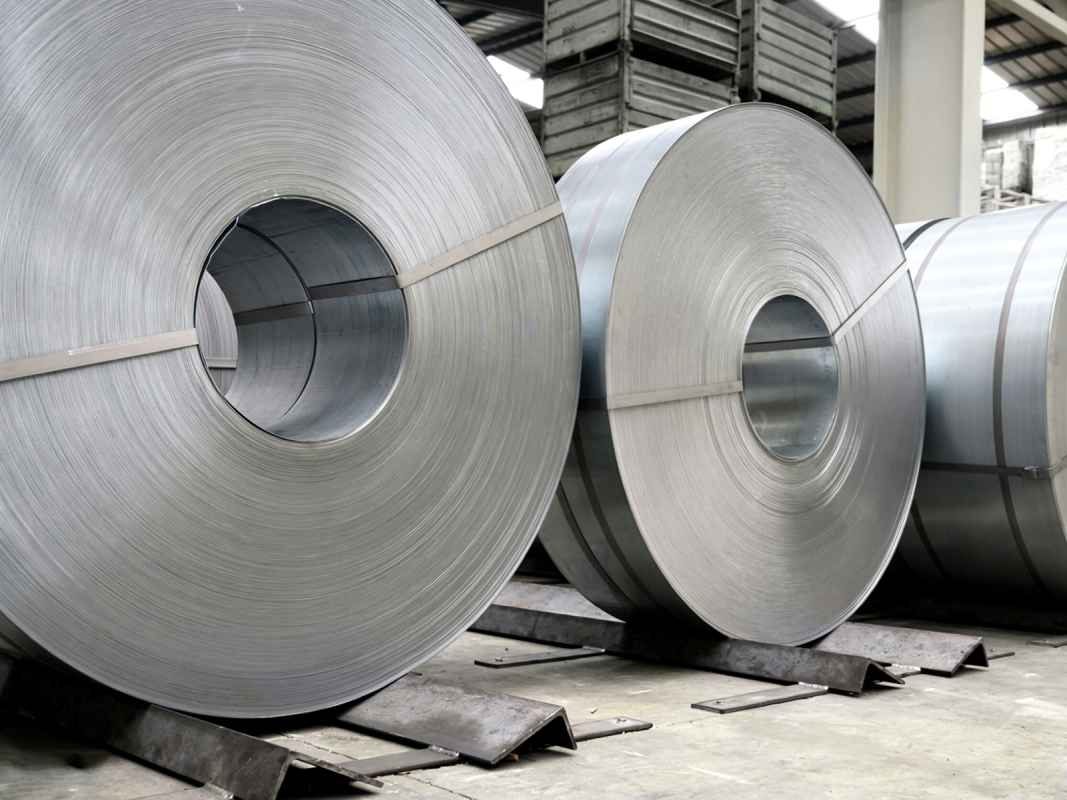
Why Choose Nickel 201 Foil for Working in Environments Above 300°C?
Nickel 201 Foil, a low-carbon (C ≤0.02%) high-purity nickel conforming to ASTM B160 specifications, ...
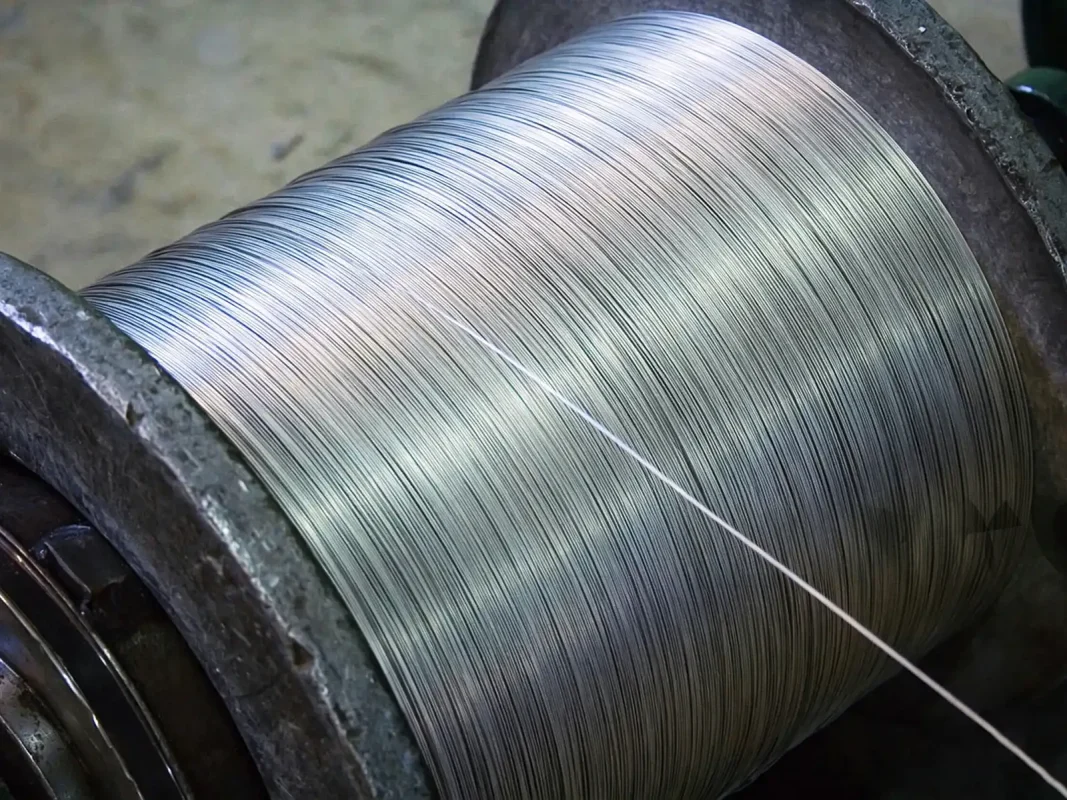
Why Do Certain Precision Resistors Prefer Nickel 200 Nickel Wire?
Nickel 200 Nickel Wire, produced from high-purity electrolytic nickel conforming to ASTM B160 specif...
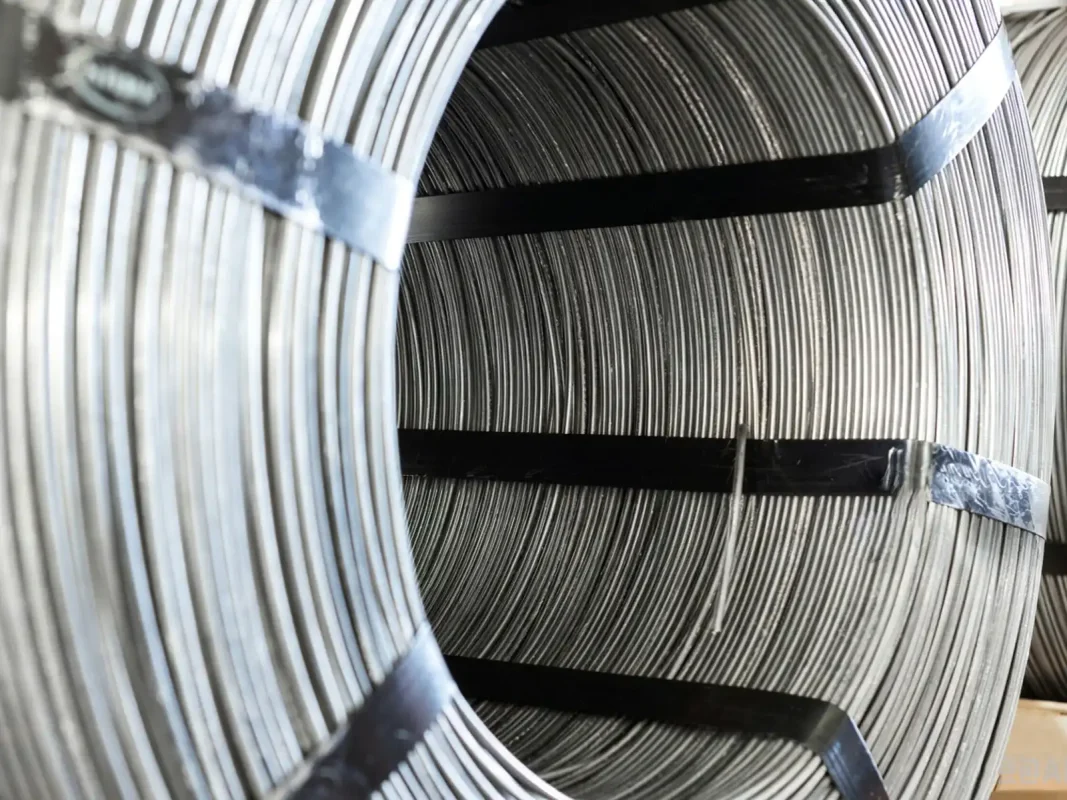
Why Does Gr5 Titanium Wire Dominate the Aerospace Fastener Market?
Gr5 Titanium Wire (Ti-6Al-4V per ASTM B863) has become the dominant material for aerospace fasteners...
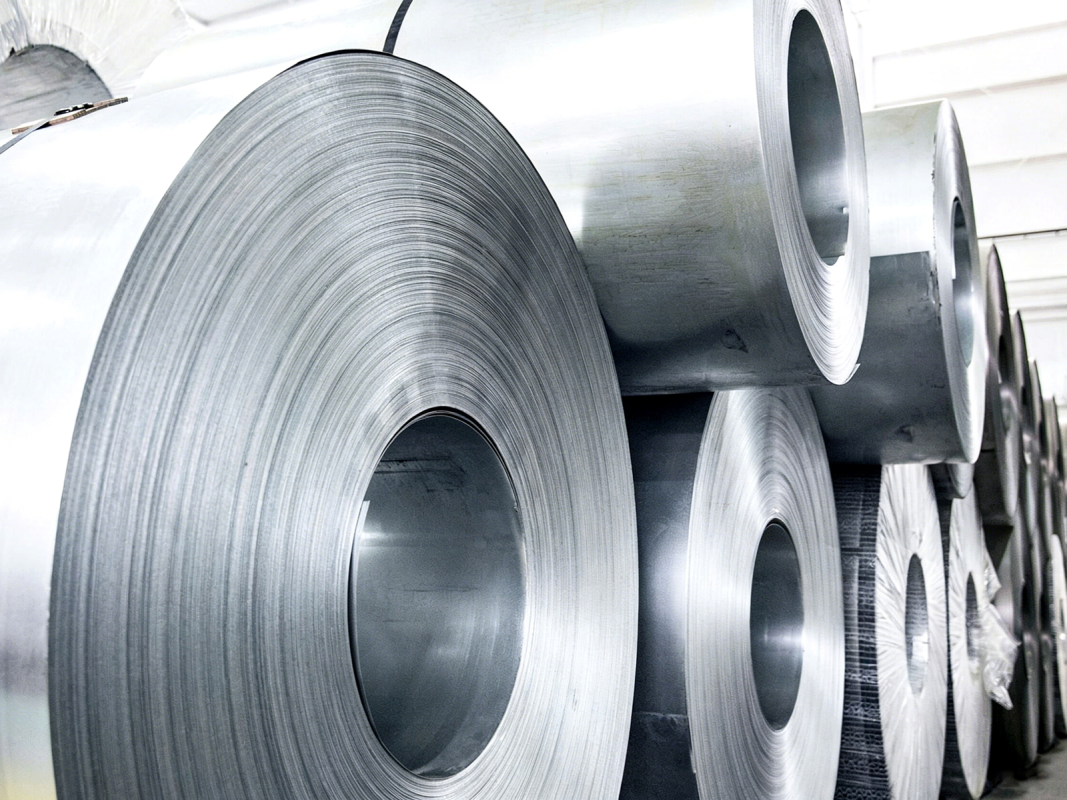
Why Does Nickel 201 Foil Exhibit Superior Resistance in Halogen Environments?
Nickel 201 Foil, a low-carbon variant of high-purity nickel conforming to ASTM B160/Ni201 specificat...
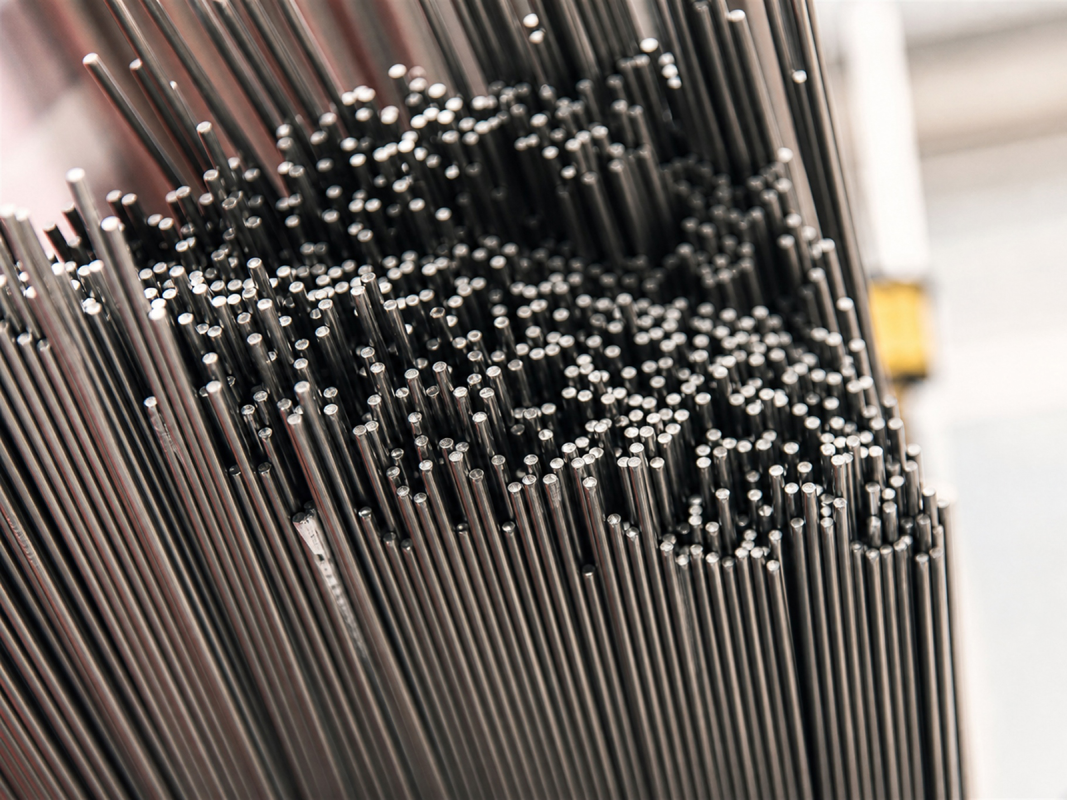
Why Does Your Project Need High-Precision Customized TB13 Titanium Alloy Rod?
TB13 titanium alloy (China GB standard designation equivalent to Ti-5Al-2.5Sn-2Zr-4Mo-4Cr), a high-s...
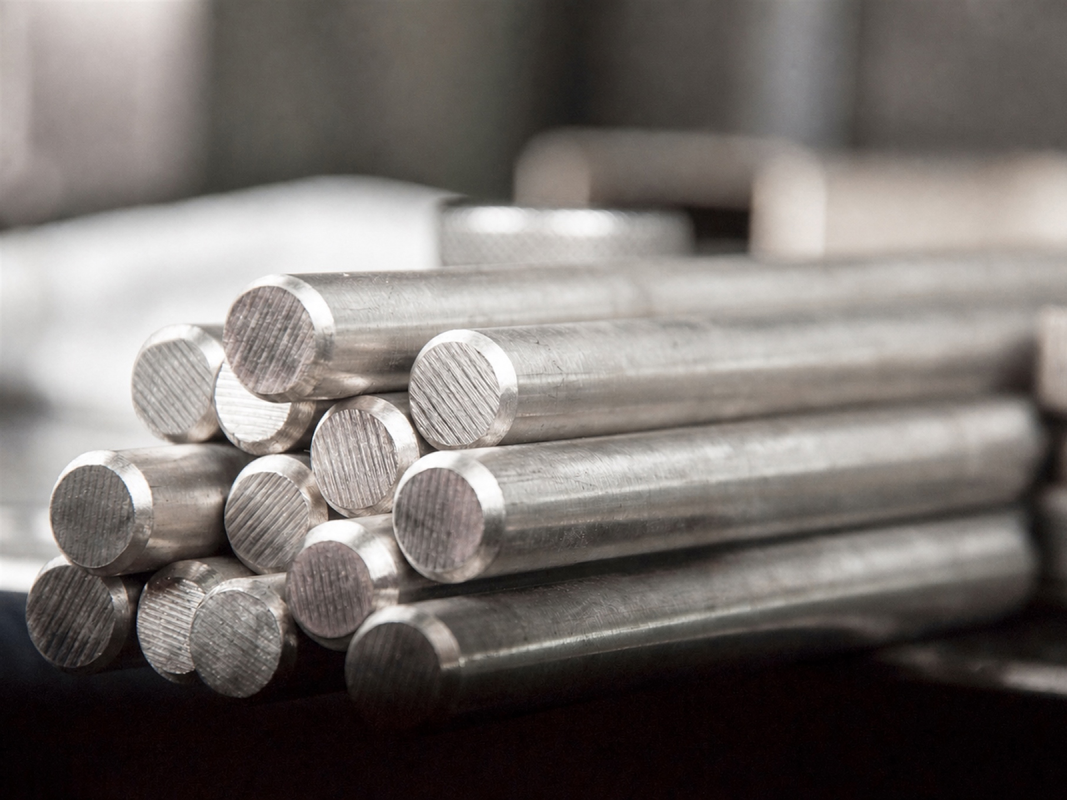
Why Does ZrR60705 Zirconium Rod Have Higher Mechanical Strength Than Pure Zirconium?
ZrR60705 Zirconium Rod, a commercially pure zirconium alloy with controlled additions of chromium an...
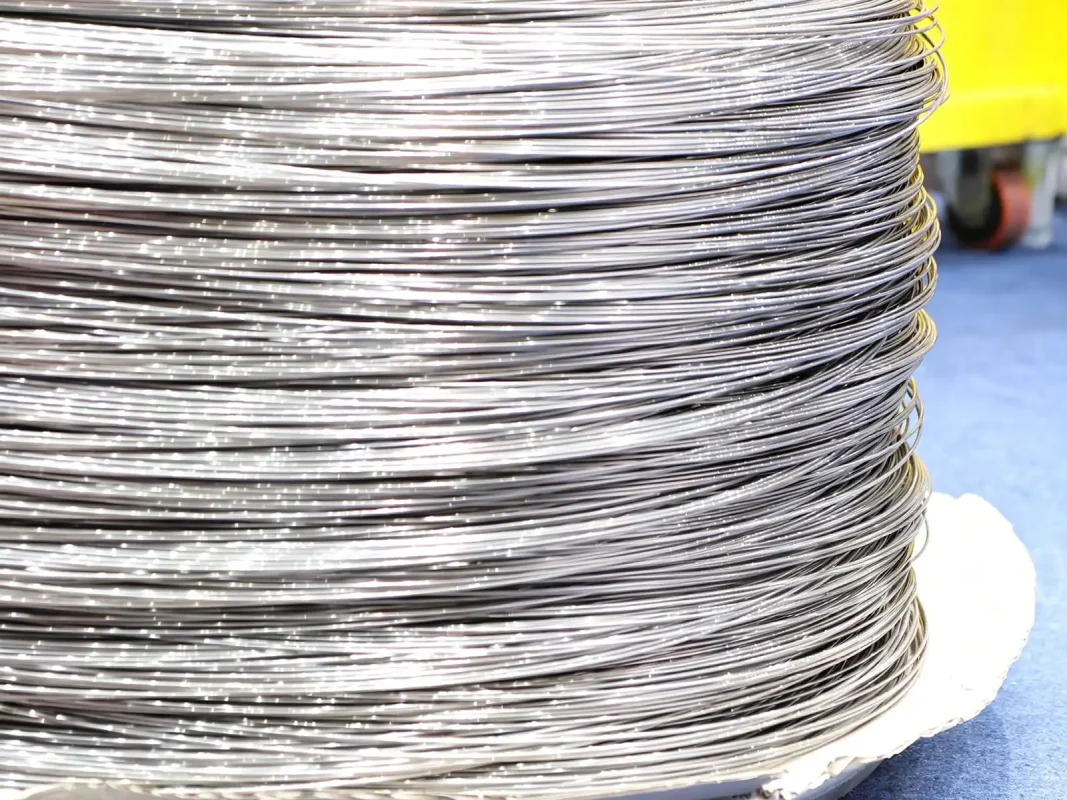
Why Does the ASTM B550 Standard Have Strict Impurity Control for Zirconium Wire?
ASTM B550 is the governing standard for zirconium and zirconium alloy wire used in nuclear, chemical...