
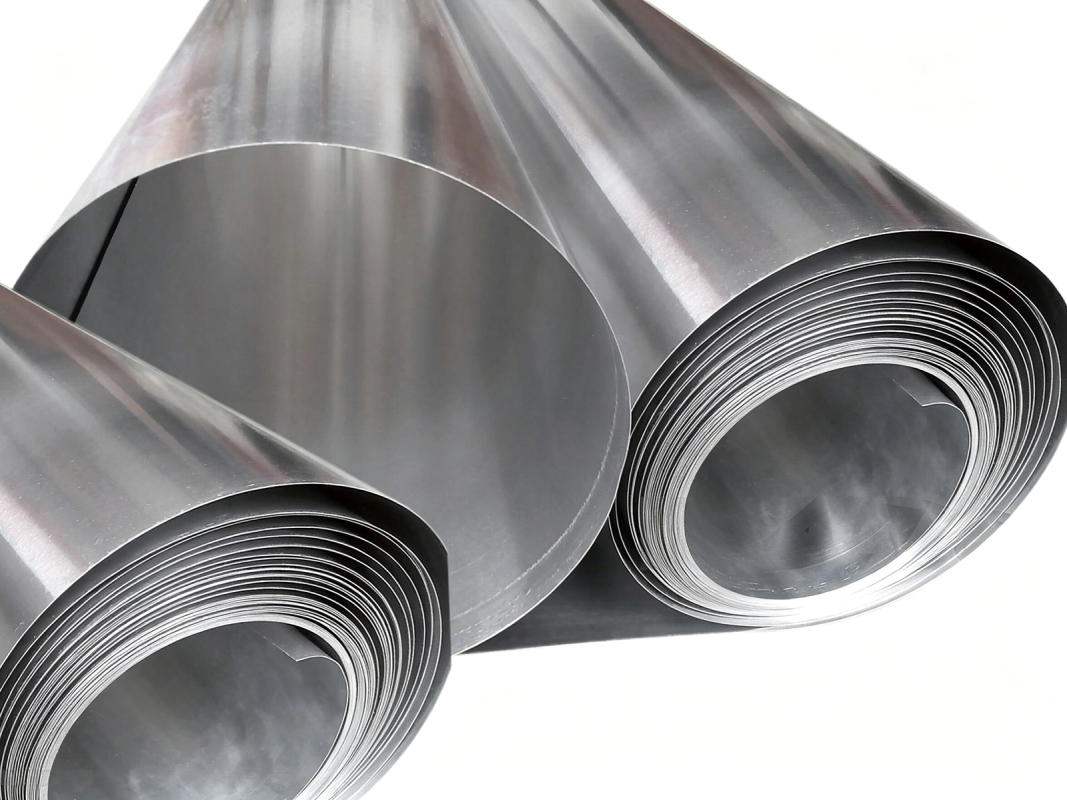
Why Is UNS N02200 Nickel 200 Nickel Foil Performance Characteristics and Industrial Engineering Application Guide Important?

Nickel 200 nickel foil is a high-purity commercial pure nickel material (Ni≥ 99.6%), produced throug...
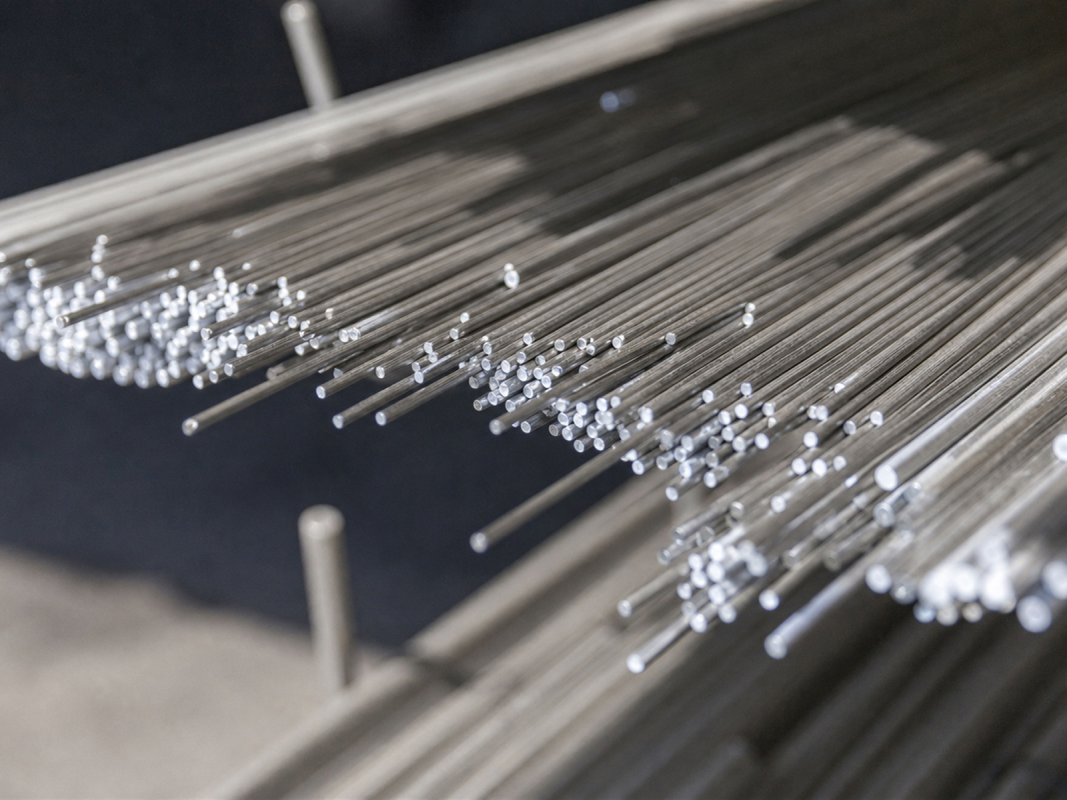
Detailed Explanation of the Heat Treatment Process of Gr5 Titanium Rods, How to Improve Strength and Material Properties?
The heat treatment process of Gr5 titanium rod (Ti-6Al-4V) is a key link in determining its final pe...
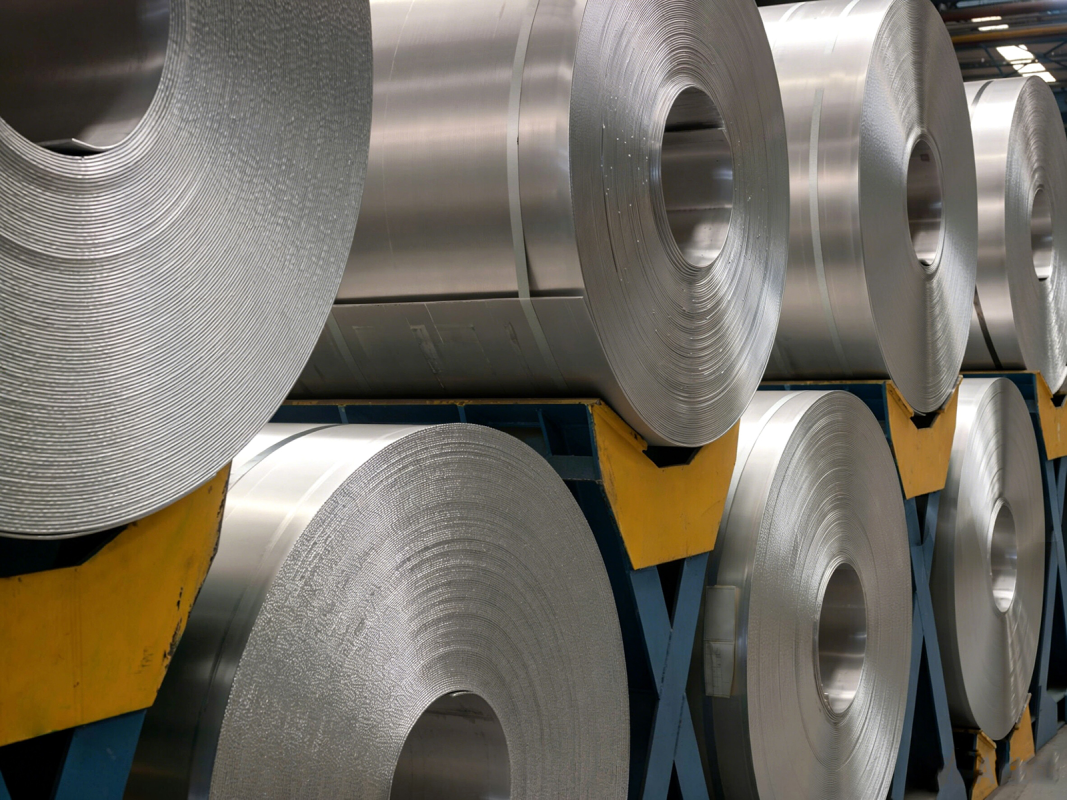
Application Analysis of Ti-15V-3Al-3Cr-3Sn Titanium Foil, Why Has It Become the Material of Choice for Aerospace Structures?
The reason why Ti-15V-3Al-3Cr-3Sn Titanium Foil has become the first choice for aerospace structural...
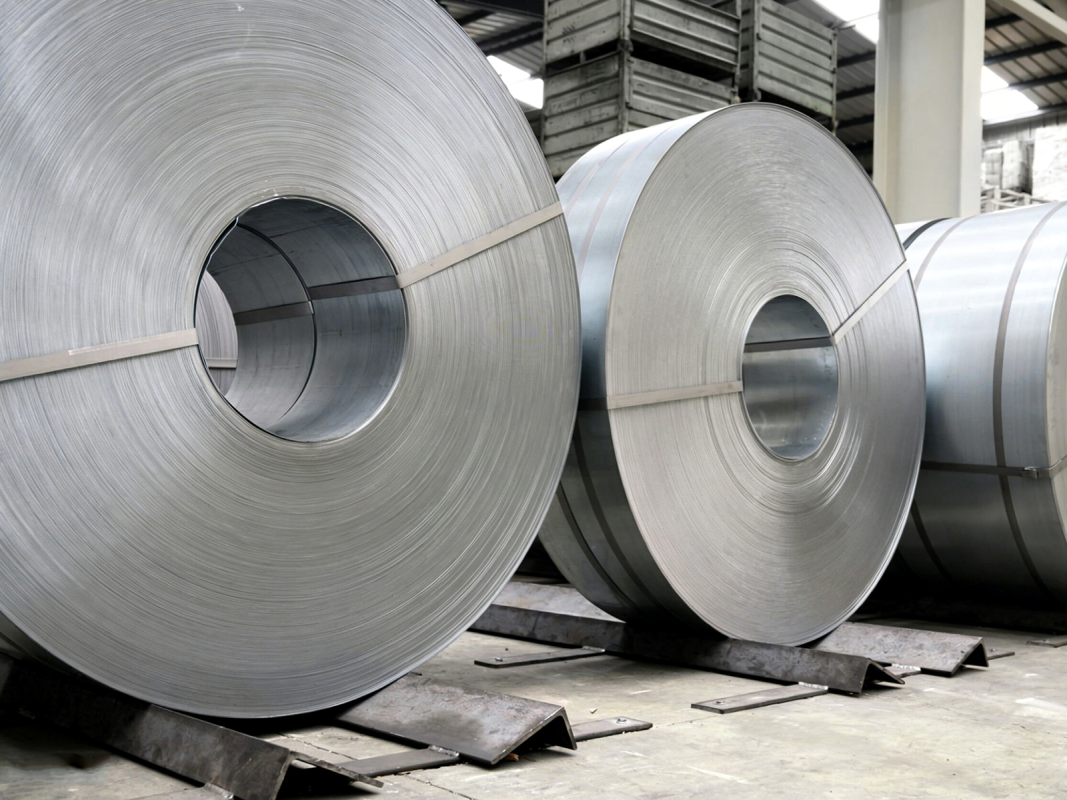
Why Is Nickel 201 Complete Guide to Nickel Foil Composition, Properties and Industrial Applications Important?
Nickel 201 nickel foil is a low-carbon, high-purity nickel material with a carbon content of ≤ 0.02%...
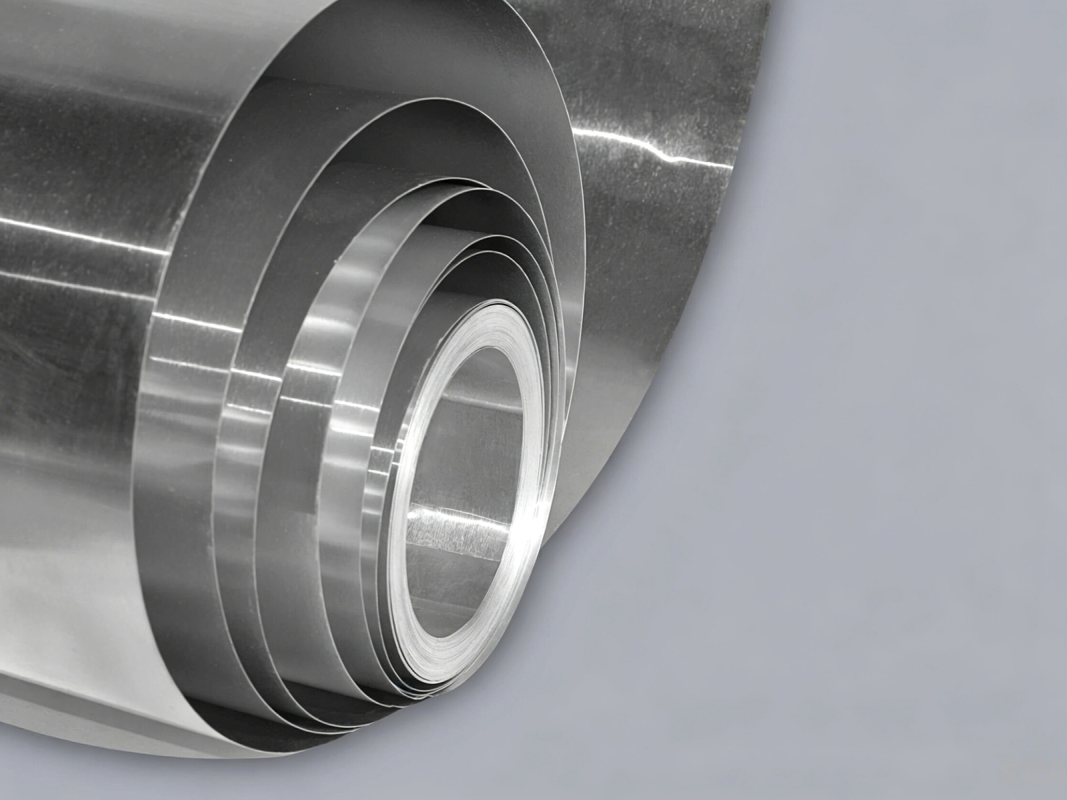
Why Is Nickel 201 Nickel Foil Widely Used in Chemical, Electrical and High-temperature Industrial Fields?
Nickel 201 nickel foil has been widely recognized in the chemical, electrical and high-temperature i...
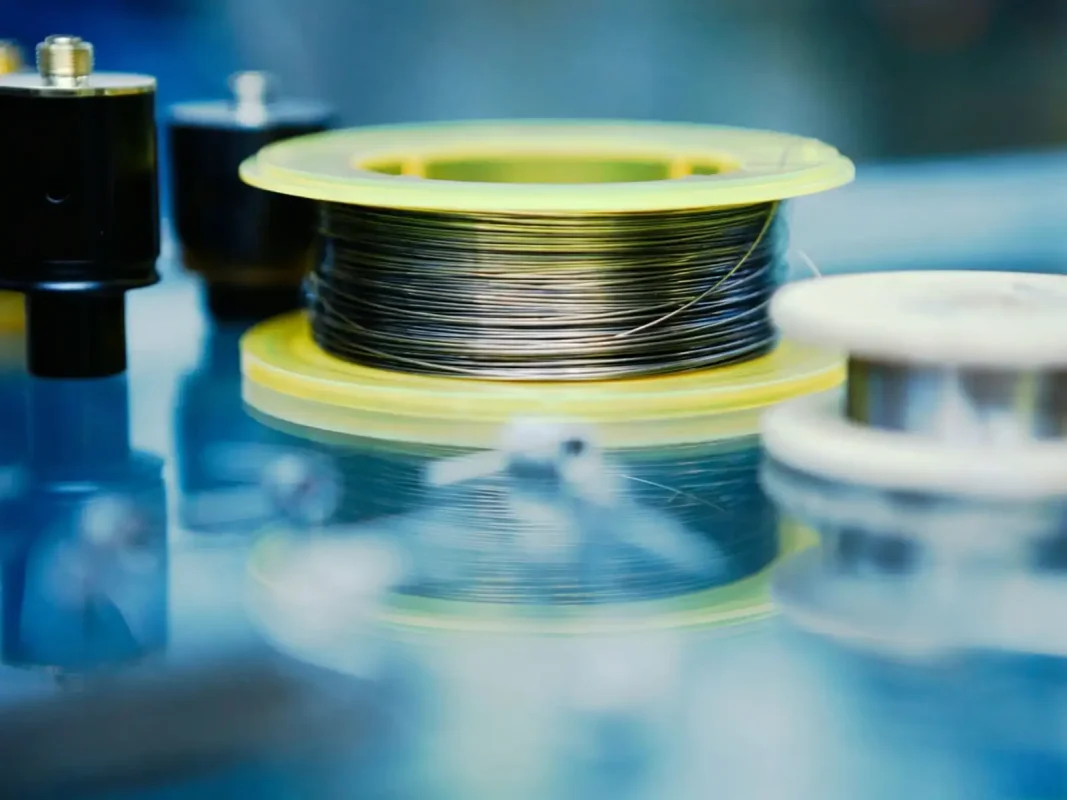
Why Is Zirconium Wire Selection Guide in Highly Corrosive Environments, Chemical Equipment Application Solutions Important?
In chemical production, the corrosion resistance of equipment materials directly determines the oper...
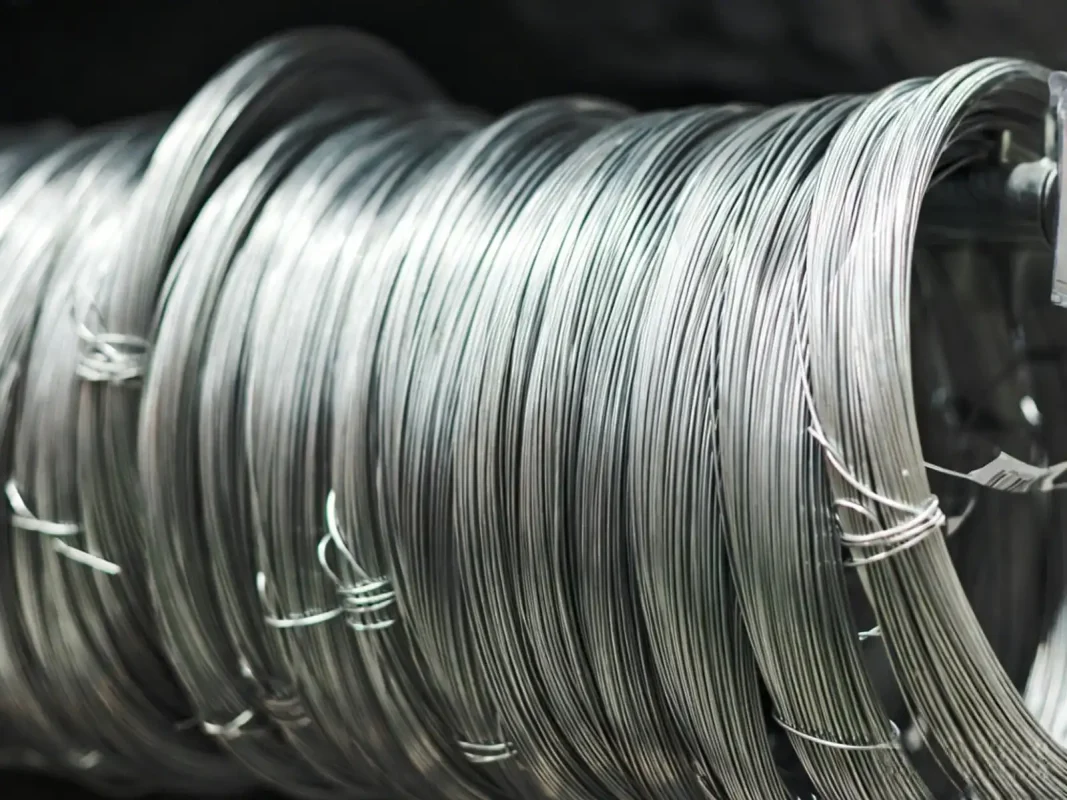
What Are the Typical Applications of Nickel 200 Wire in Manufacturing?
Nickel 200 Wire is a high-purity industrial pure nickel wire with a nickel content of over 99.5% and...
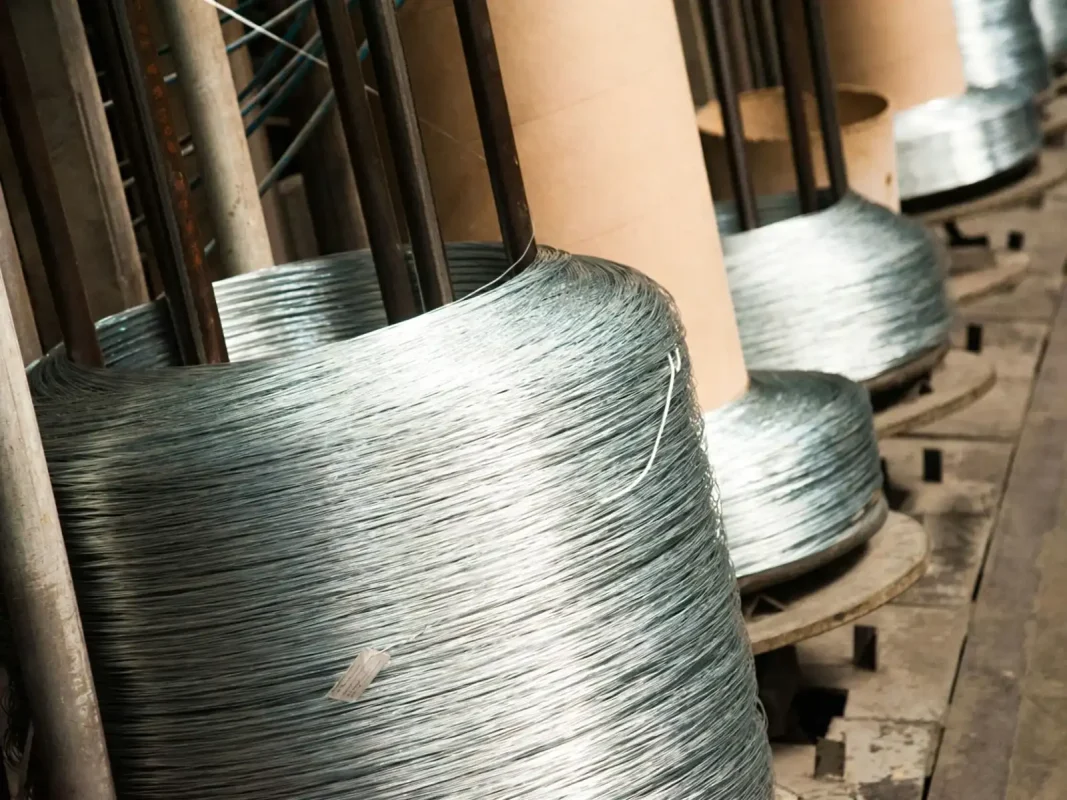
What Specifications and Grades of Nickel 200 Wire Are Available?
As a representative product of industrial pure nickel, nickel 200 wire has a variety of standard gra...
What Are the Key Material Properties of Nickel 200 Wire?
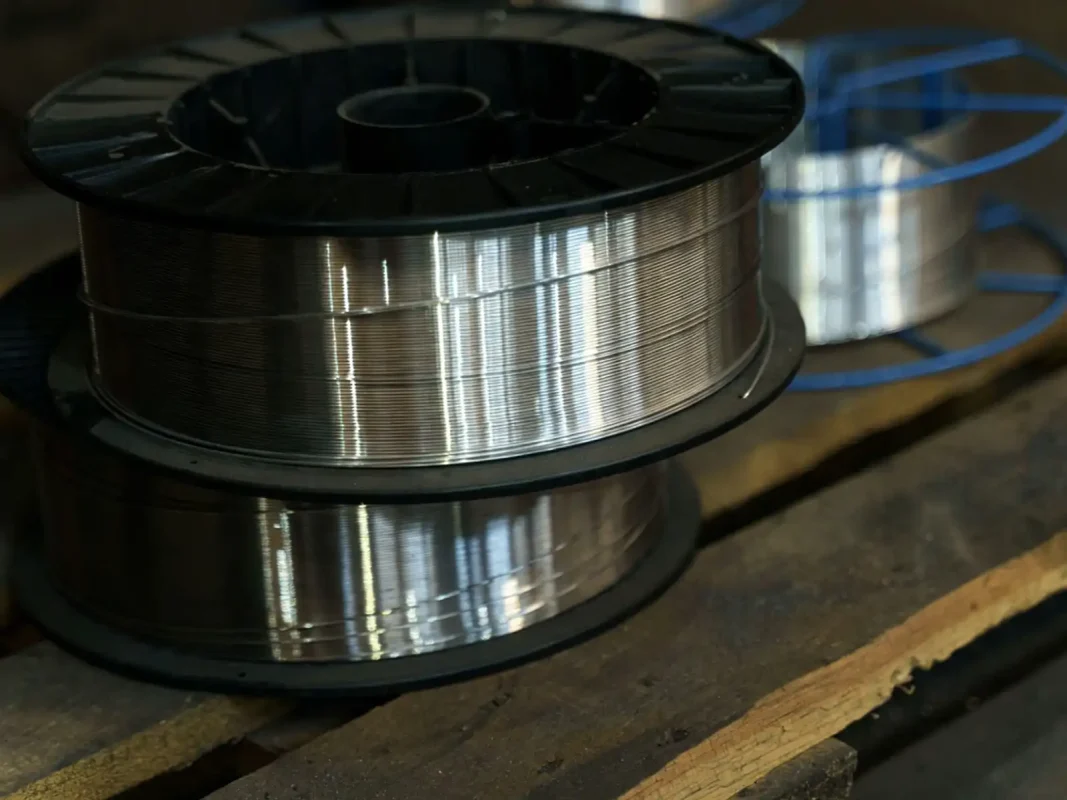
When you are choosing a corrosion-resistant conductive material, Nickel 200 Wire stands out for its ...
What Are the Typical Thickness Specifications for Nickel 200 Foil?
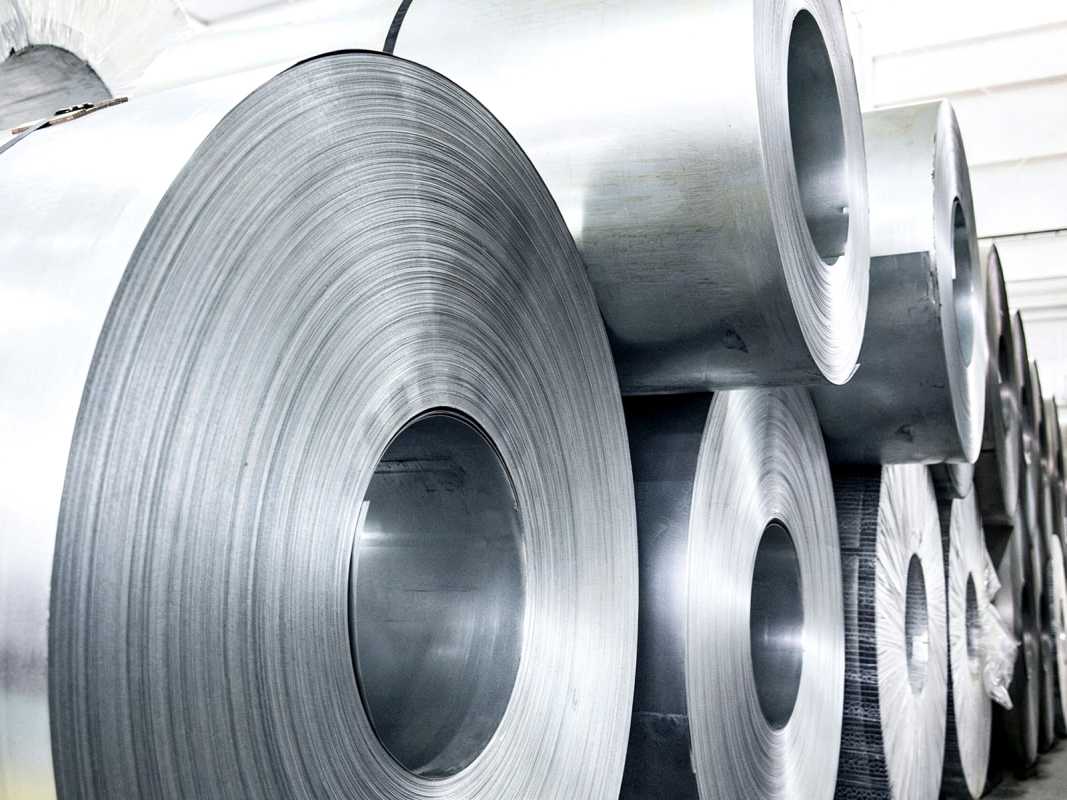
Typical Nickel 200 foil thicknesses can generally be grouped into three ranges. The standard industr...