
The rod with the lowest quoted price is only a useful purchase if it fits the component and the work that follows. Grade, supplied condition, surface and usable dimensions all affect that decision. A good enquiry makes those choices visible, so engineering and purchasing can compare the same material rather than three different interpretations of “titanium rod”.
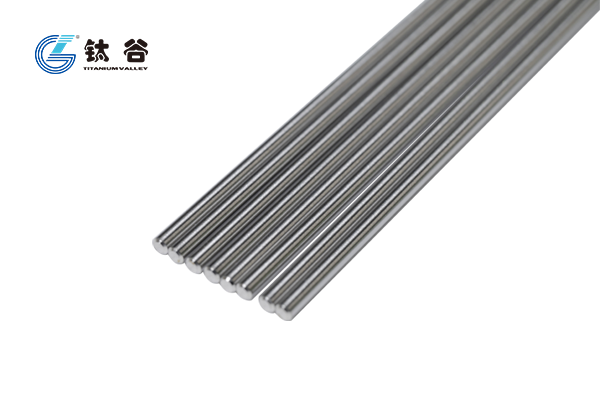
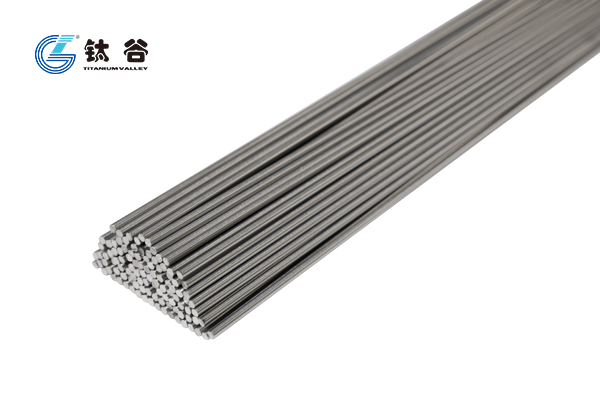
Start with the component duty or drawing grade
A machined fitting selected for a defined chemical environment and a load-carrying Ti-6Al-4V part can both begin as titanium rod. Their material decisions come from different requirements. Start with the duty and drawing: service environment, loading, material specification and the features that drive performance.
If the drawing already specifies the grade, use it as the purchasing basis. If the material is still being selected, compare the candidate grades against the actual service and component requirements. Diameter alone cannot establish that two titanium grades are interchangeable.
The site’s Gr2 rod and Gr5 rod give two distinct starting points: commercially pure Grade 2 titanium and the Ti-6Al-4V alloy. A useful supplier discussion begins by establishing why one belongs in your project.
How to approach Gr2 versus Gr5
| Project question | What to bring into the material comparison |
|---|---|
| The component is selected for a corrosion environment | Review the actual medium, concentration, temperature and fabrication route with the specified material requirement. Gr2 is a commercially pure titanium route to evaluate in that context. |
| The drawing calls for Ti-6Al-4V or a defined alloy requirement | Review the Gr5 route, its condition and the applicable inspection/material specification. |
| The component has fatigue-sensitive features | Connect the material requirement to final geometry, surface integrity and the relevant loading/validation plan. |
| You want to change grade to simplify supply | Treat the change as an engineering decision, with the drawing and service requirement reviewed before ordering. |
The purpose is to choose a material that can satisfy the part, then make that choice purchasable. A higher-strength grade is not a general substitute for another grade’s application assessment. Likewise, a material certificate cannot by itself predict the fatigue life of a machined feature. The existing Gr5 fatigue and fracture guide supports the more detailed discussion where loading and surface-sensitive features matter.
The supplied surface changes the offer you are comparing
The Gr5 product page describes forged/hot-rolled, peeled, turned and ground/polished surface routes. These descriptions help explain why two rods of the same grade and nominal diameter can represent different purchases. The incoming surface and geometry affect the preparation you still need to carry out.
| Supplied route | The buyer’s practical question |
|---|---|
| Forged or hot-rolled surface | Can the planned preparation and machining accommodate the actual supplied surface and section? |
| Peeled | Which diameter and surface are supplied after peeling, and what removal is still needed for the component? |
| Turned | Which incoming geometry and finish are controlled, and how will that material be located for the next operation? |
| Ground or polished | Which measured dimensional and surface requirements are included in the offer? |
Material condition needs a separate line in the specification. Annealed describes a condition; polished describes a surface route. Keeping them separate helps you compare quotations and prevents a finished-looking surface being treated as proof of every mechanical or geometric requirement.
For a part that retains an incoming surface as a functional surface, bring that drawing requirement into the enquiry early. It can change what must be controlled and inspected before the rod reaches your machine.
Make sure the dimensions leave usable material
Show the finished part and identify the dimensions you expect the supplier to deliver. A finished diameter and a supplied rod diameter answer different questions. The incoming limits, intended locating method, required cleanup and any retained surface all affect the choice of blank.
Use a clear basis for allowance: on diameter or per side, supplied length or usable length. Include the preparation and cutting losses that matter to the layout. This helps prevent a quote for an attractive nominal size that leaves additional work or insufficient usable material.
The Gr5 page publishes route-dependent examples: 4–30 mm for a small cold-drawn/polished route and 100–300 mm for a larger forged route, with separate length references by condition. Use those as published Gr5 route information when framing an enquiry. Confirm the actual size, condition, surface and availability together. They are not Gr2 limits or a stock list.
Use the initial material to close the real uncertainty
Sometimes the drawing and material specification are already complete; purchasing needs evidence that the proposed supply meets them. Sometimes the remaining uncertainty is whether a particular incoming condition or surface works in the machining route. The first material or trial should be chosen to answer that uncertainty.
Identify the trial material, record the incoming dimensions and supplied condition, and keep the drawing revision with the machining and inspection record. Compare the outcome against the part requirement. If geometry changes after release or an incoming surface remains, those records help identify whether the next decision concerns material, blank definition or the process.
Once the route is accepted, carry its material definition into the repeat order. Specify which changes need review. That gives engineering a controlled basis and purchasing a quotation that can be compared with the previous supply.
Compare quotations as delivered material
Before comparing prices, put the offers on the same basis: grade and specification/revision, condition, surface, supplied section and tolerance, usable length, quantity unit, inspection and documents. Check what cutting or surface preparation is included. An offer that leaves a different amount of work at your end may need a different commercial comparison.
Ask how the supplied material will be identified and how its agreed documents connect to that identity. The material documentation and traceability information and published certificate documents provide starting resources. The relevant scope and the order’s lot evidence should be clear before supply is approved.
Timing also belongs to the defined material. A product size range is useful for an enquiry, while current availability and a shipment date need confirmation for the selected grade, dimensions, condition and inspection route. This helps keep the purchasing decision connected to what will actually arrive.
A useful first enquiry is enough to begin
For commercially pure titanium requirements, review the Gr2 rod product. For Ti-6Al-4V requirements, review the Gr5 rod product. The titanium rod range and rod and bar supply information cover the wider material discussion.
If a detail is still undecided, say what the component needs to do and which point you want help resolving. That is a workable starting point for a technical enquiry, rather than a reason to postpone the conversation until every field is complete.