
GR2 Titanium Rod for Heat Exchangers: Selection and RFQ Guide
- Gr2 Titanium Rods
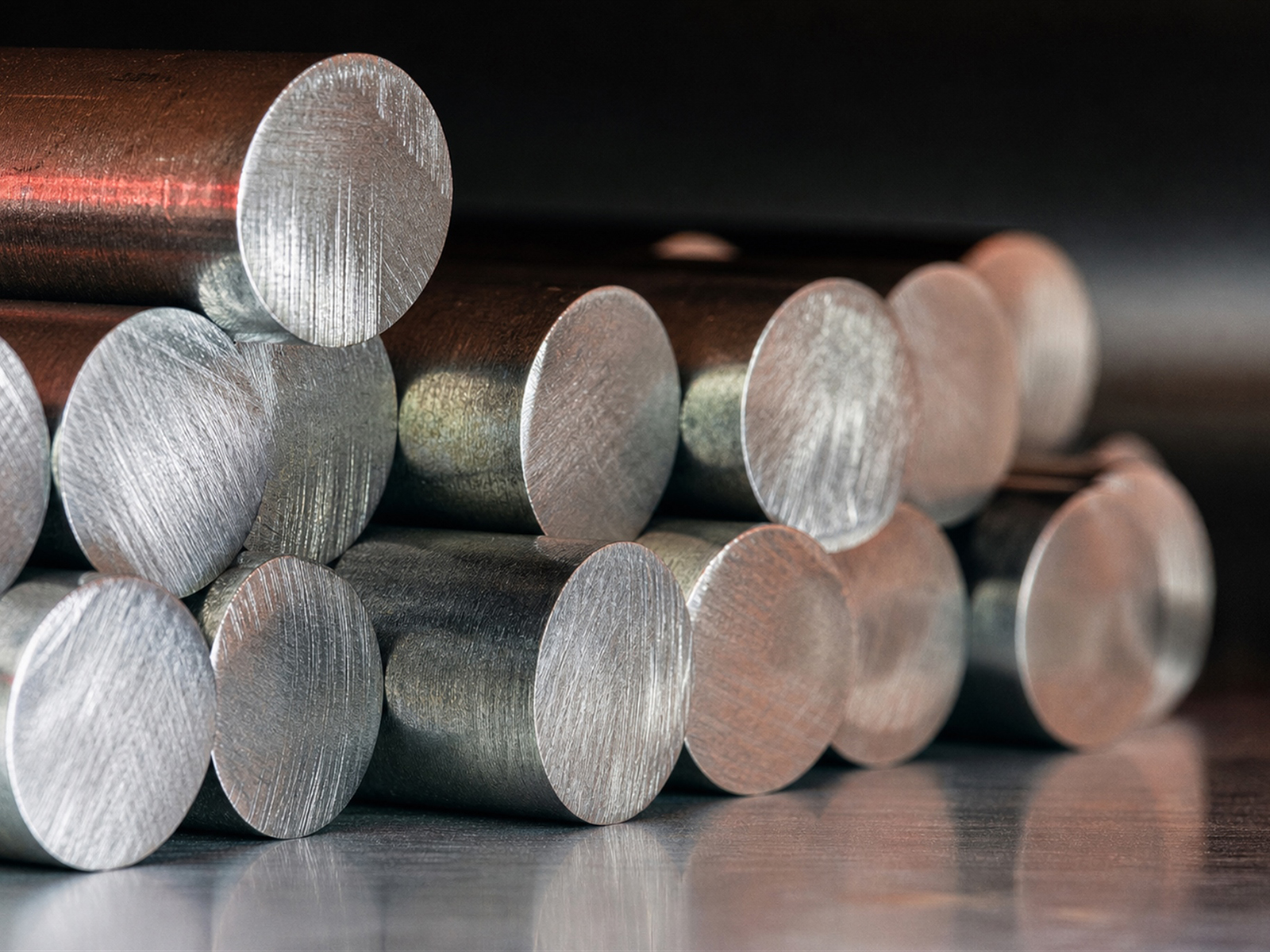
GR2 Titanium Rod for Heat Exchangers: Selection and RFQ Guide
Direct answer. GR2 titanium rod for heat-exchanger-related fabrication should be specified by its controlled product requirement: ASTM reference, dimensions and tolerances, material condition, intended process, service environment and required traceability. A grade name by itself does not confirm suitability for a finished thermal-system component.
Topic hub: For the main Titanium GR2 rod selection framework, see Titanium GR2 rod guide. For form-specific availability, review the relevant product category and send a technical RFQ with grade, dimensions, condition and documentation requirements.
Topic hub: For the main the Titanium GR2 rod selection framework, see the Titanium GR2 rod guide. For form-specific availability, review the relevant product category and send a technical RFQ with grade, dimensions, condition and documentation requirements.
1. Define the rod requirement before quotation
ASTM B348 is commonly referenced for titanium and titanium alloy bars and billets, subject to the applicable edition and project specification. A technical RFQ should identify Grade 2 titanium, rod diameter and tolerance, length, condition, surface requirement, quantity, certificate requirement and any agreed supplementary test or inspection.
| RFQ field | Information to provide | Why it matters |
|---|---|---|
| Material | GR2 titanium rod and the applicable ASTM B348 requirement. | Controls grade and product-form identification. |
| Geometry | Diameter, tolerance, length, straightness and machining allowance. | Supports fabrication planning and receiving checks. |
| Service context | Medium, temperature profile, pressure/design basis and fabrication route. | Sets the boundary for engineering review. |
| Evidence | Certificate, heat/lot traceability and agreed inspection records. | Supports material control through production. |
2. Heat-exchanger application boundary
Heat-exchanger components are assessed within the full system: process medium, temperature cycling, geometry, joining method, design load and inspection requirements. Supply the drawing and service context with the enquiry. This enables a material quotation to be evaluated against the actual component requirement instead of a generic application statement.
3. Receiving inspection and documentation
At receipt, reconcile the purchase order, packing label and material certificate. Verify grade, product form, dimensions, quantity and required evidence before release to machining or fabrication. If the project needs supplementary testing, define the method, sampling plan, acceptance criterion and reporting format before purchase.
Frequently asked questions
Does GR2 designation alone qualify a rod for a heat exchanger?
No. Confirm the controlled product specification and validate the finished component for its actual service conditions.
What documents should accompany the material?
State the required material certificate, lot identification and any additional inspection evidence in the RFQ and purchase order.
Where can I review the general GR2 rod specification?
See the Titanium GR2 rod ASTM B348 specification guide for procurement-oriented selection inputs.
Product route and technical quotation
Review the titanium rod product category for product families. For a drawing-based review, request a technical quotation with the controlled material and application requirement.
References and use note
- ASTM B348, applicable edition, Titanium and Titanium Alloy Bars and Billets.
- Project drawing, purchase specification, material certificate and agreed inspection plan.
This guide supports procurement specification and does not replace equipment design, corrosion engineering or component qualification.
Published by: Titanium Valleys
Technical review: General Manager of the Production Department
Quality review: Quality Inspection Department
Last reviewed: October 20, 2026