
What Are the Properties, Advantages, and Industrial Applications of Nickel 200 Wire?
- Nickel 200 Wire
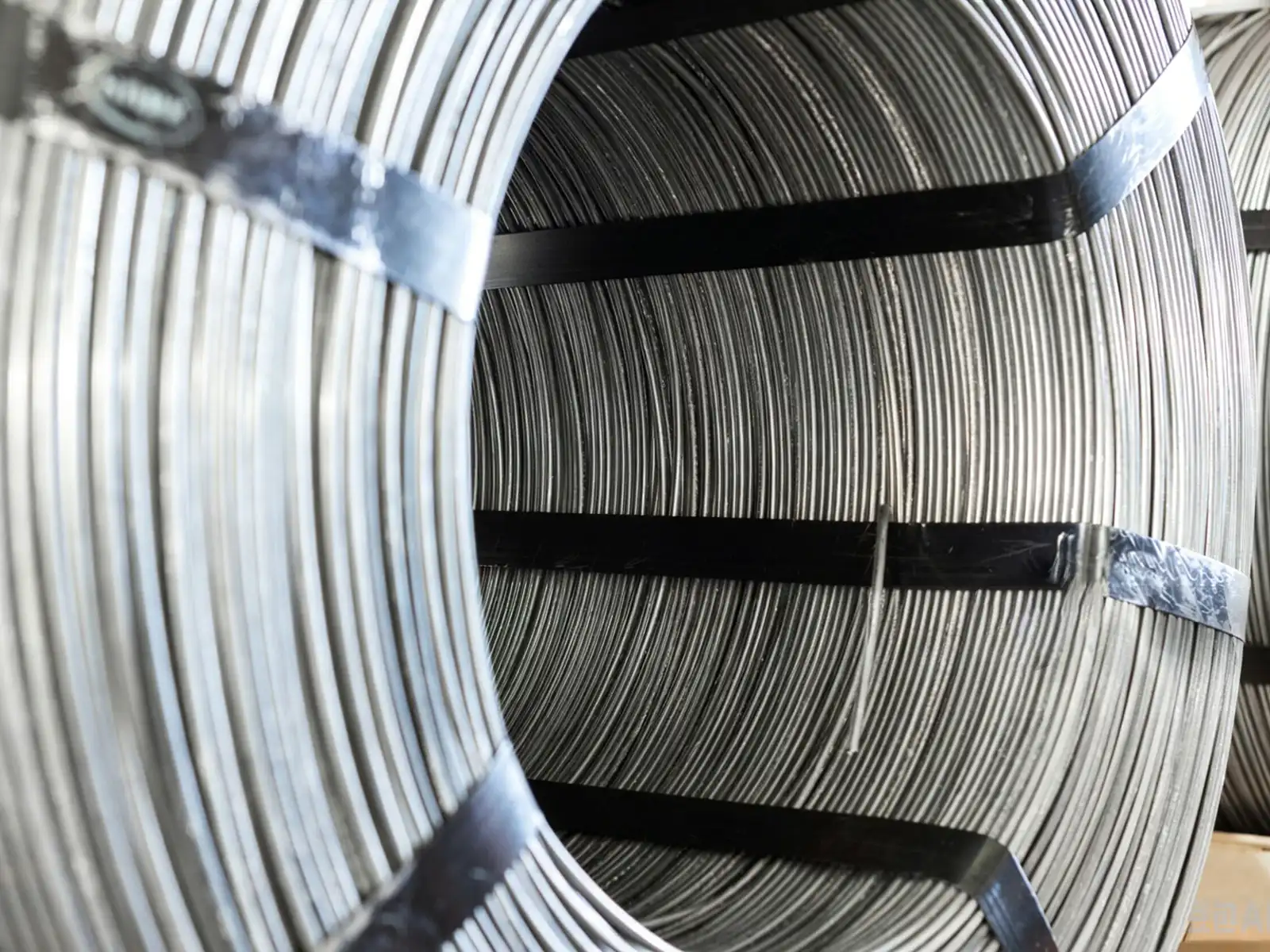
Direct engineering answer. Nickel 200 Wire should be evaluated against the finished component, product form, governing specification, downstream process and acceptance evidence. A general property value is an orientation tool; the released drawing, current certificate and inspection plan control the final decision.
Nickel 200 wire is a commercially pure nickel material represented by UNS N02200. Thanks to its high nickel content, good corrosion resistance to alkalis, favorable electrical and thermal conductivity, and excellent cold-forming capability, it is used across multiple industrial sectors, including chemical processing, chlor-alkali, electrical/electronic, and precision machinery. For components that must withstand specific alkaline media while combining electrical conductivity with workability, Nickel 200 is a common commercially pure nickel choice.
This article systematically covers the chemical composition, mechanical properties, physical properties, corrosion resistance, magnetic behavior, and weldability and formability of Nickel 200 wire, and further analyzes its typical applications in chlor-alkali, electrical/electronic, medical device, and precision machinery fields. It also explains the differences between Nickel 200 and Nickel 201, applicable standards, procurement and acceptance points, and common conditions where Nickel 200 is unsuitable, helping engineers, purchasing professionals, and product developers more accurately determine whether Nickel 200 wire fits a specific project.
1. Material Properties
(1) Chemical Composition
Nickel 200 commonly requires a minimum combined Ni+Co content of 99.0%, not 99.5%. Taking the typical requirements of UNS N02200/ASTM B160 as an example, Fe ≤0.40%, Cu ≤0.25%, and C ≤0.15%, as shown in Table 1. Differences may exist for different product forms or standard editions; whether elements such as P are specified should be confirmed against the contract or standard.
Table 1: Reference Chemical Composition of Nickel 200 (wt%)
Element | Ni+Co | Fe | Cu | Mn | Si | C | S |
Content | ≥99.0 | ≤0.40 | ≤0.25 | ≤0.35 | ≤0.35 | ≤0.15 | ≤0.010 |
Note: Values in the table are common standard references and do not supersede specific standard editions or product specifications.
Low sulfur mainly helps reduce the hot-shortness tendency during hot working or welding; it should not be phrased as “preventing grain-boundary segregation.” Control of impurities such as iron and copper helps reduce contamination risk in certain wet-media processes, but does not apply directly to all high-purity scenarios.
(2) Mechanical Properties: Condition Must Be Specified
For annealed (soft annealed) Nickel 200 wire, typical tensile strength is about 350–550 MPa, yield strength about 100–250 MPa, and elongation about 30–50%. In the cold-drawn condition, strength rises markedly and elongation decreases. Hardness varies with cold-work level, heat treatment, and test conditions; annealed Brinell hardness is commonly about 75–100 HB and should not be specified as a narrow fixed range such as 85–95 HB for acceptance.
(3) Physical Properties
Typical density is about 8.89 g/cm³, and the melting range is usually 1435–1446℃, not the theoretical melting point of pure nickel of 1453–1455℃. Melting point reflects only the melting transformation and does not directly represent high-temperature strength or high-temperature creep performance. At 20℃ the electrical resistivity is about 6.8×10⁻⁸ Ω·m, and the room-temperature thermal conductivity is about 60–70 W/(m·K). Pure nickel has a large temperature coefficient of resistance, so its resistivity varies markedly with temperature; therefore, long-term resistance stability should not be highlighted, and it is not suitable as a primary material choice for precision resistance wire or heating elements.
2. Key Engineering Characteristics and Limitations
(1) Alkali Corrosion Resistance Suited to Chlor-Alkali
Nickel 200 exhibits good corrosion resistance in hot concentrated alkalis, particularly NaOH/KOH environments, and is commonly used in chlor-alkali electrolysis systems, caustic filter screens, and alkali-resistant connectors. Compared with some stainless steels, it can reduce stress-corrosion risk in certain strong-alkali conditions, but a comprehensive evaluation based on temperature, concentration, oxygen content, and impurities is still required; claims such as “extends life severalfold” should not be made lightly.
(2) Magnetic Behavior: Manage as a Ferromagnetic Material
Nickel 200 has a Curie temperature of about 358℃, so it is ferromagnetic at room temperature and does not exhibit “completely non-magnetic” behavior. For magnetically sensitive precision electronic probes, MRI-compatible devices, and similar applications, Nickel 200 cannot be substituted directly for non-magnetic materials. For medical devices or magnetic-field-compatibility requirements, whole-device-level testing and evaluation are mandatory.
(3) Weldability and Formability
Low sulfur, low carbon, and good ductility give Nickel 200 good welding and cold-working performance under appropriate processes, supporting TIG, MIG, and resistance welding, though heat input and shielding atmosphere still require control. High elongation benefits cold drawing, spring coiling, and complex bending operations, reducing the risk of forming cracks.
(4) Purity and Medium-Contamination Risk
Nickel 200 has tight controls on impurities such as Fe and Cu, which can reduce some metal-contamination risks in food, pharmaceutical, or high-purity fluid piping applications. However, “purity” does not mean it is suitable for every high-purity or semiconductor wet process; where special requirements such as low metal leaching exist (e.g., semiconductor etching), this must be verified through dedicated testing and cannot be satisfied by grade designation alone.
(5) Sizes and Packaging
Common supply sizes of wire are determined between supplier and buyer and typically include cold-drawn wire from millimeter scale down to several hundred micrometers. The previously common statement “φ4mm–φ30mm, with large sizes extending to φ200mm” involves product-classification and conceptual issues: φ200mm already falls within the bar/forging category and should not be classified as wire. Packaging can be supplied as large coils, spools, or fixed-length coils to reduce joints and meet the needs of automated production.
3. Typical Application Scenarios
(1) Chemical Processing and Chlor-Alkali
Nickel 200 wire can be used in strong-alkali applications such as caustic filter screens, corrosion-resistant connectors in electrolysis systems, and heat-exchanger internals. For seawater or flowing brine environments, nickel-copper alloys such as Monel 400, or corrosion-resistant alloys assessed on merit, are usually preferred; one should not simply claim that “Nickel 200 provides seawater-corrosion resistance.” Material selection for marine equipment must distinguish between stagnant and flowing conditions, oxygen content, temperature, and chloride content.
(2) Electronics and Electrical
Nickel 200 offers good electrical and thermal conductivity and can be used for battery tabs, corrosion-resistant conductor wires/leads, and connectors. Transformer windings typically use copper or aluminum; pure nickel is not a typical winding material. Heating elements and precision resistance wire generally use resistance alloys such as nickel-chromium; Nickel 200 has low resistivity and a large temperature coefficient, so it should not be the first choice for such components.
(3) Limited Use in Medical Devices
Nickel 200 can be processed into guidewires, probes, spring tubes, and similar items, but pure nickel can release nickel ions, posing an allergy risk for some individuals, so it cannot simply be described as “non-toxic.” When used in medical devices, biocompatibility evaluation per the ISO 10993 series is required, along with testing of nickel-ion release and allergy risk. Its room-temperature ferromagnetism also restricts use in MRI-compatible devices unless validated at the device level.
(4) Moderate-Temperature Use, Precision Machinery, and Corrosion-Resistant Fasteners
Nickel 200 can be used in some springs, miniature shafts, connectors, and corrosion-resistant fasteners in sulfur-free atmospheres at temperatures up to about 315℃. However, its high-temperature strength and oxidation resistance are limited, and it is not recommended for in-furnace heating elements or high-temperature load-bearing fixtures. In precision machining, cold drawing and annealing can control dimensions and straightness, but specific tolerances and surface condition should be agreed in the order.
Table 2: Reference Typical Properties of Nickel 200
Property | Typical Value/Range | Condition/Remarks |
Tensile strength | 350–550 MPa | Annealed; higher in cold-drawn condition |
Yield strength | 100–250 MPa | Annealed |
Elongation | 30–50% | Annealed |
Brinell hardness | 75–100 HB | Typical annealed; varies with condition |
Density | 8.89 g/cm³ | Room temperature |
Melting range | 1435–1446℃ | Typical range for nickel alloy grades |
Electrical resistivity | ~6.8×10⁻⁸ Ω·m | 20℃; large temperature coefficient |
Thermal conductivity | 60–70 W/(m·K) | Room temperature; varies with temperature |
Note: The data above are reference values and are not for acceptance purposes. Acceptance should be based on the specific standard edition, product condition, and test conditions.
Table 3: Typical Applications and Material-Selection Considerations
Application Area | Typical Components | Core Value/Caution |
Chemical/chlor-alkali | Caustic filter screens, alkali-resistant connectors, heat-exchanger internals | Alkali corrosion resistance, but temperature and medium must be evaluated |
Electronics/electrical | Battery tabs, conductor wires/leads, corrosion-resistant connectors | Good electrical/thermal conductivity; not precision resistance wire or heating elements |
Medical devices | Guidewires, probes, spring tubes | Nickel-release and biocompatibility evaluation required; ferromagnetic at room temperature |
Moderate-temperature & precision machinery | Precision springs, miniature shafts, connectors, corrosion-resistant fasteners | Good cold workability; not for high-temperature in-furnace load-bearing parts |
4. Procurement and Material-Selection Points
(1) Clarify the Product Standard and Grade
Before purchasing, confirm the product form and applicable standard. For pure nickel bar/wire, reference may be made to ASTM B160 (UNS N02200) or domestic standards such as GB/T 5235 and YS/T 628, but the latest editions and scope of application must be verified. ASTM B166 is not applicable to pure nickel Nickel 200 wire; ASTM F72 should also not be used as a default standard for Nickel 200 wire. For designations such as JIS H 4551 or European EN 2.4060, verify the chemical composition, product form, and standard version; do not interchange them simply on the basis of the designation number.
(2) Avoiding Common Unsuitable Service Conditions
Nickel 200 is not an all-purpose material. In strongly oxidizing acids such as hot concentrated nitric acid, sulfur-bearing atmospheres above about 315℃, strongly oxidizing chloride environments, and high-velocity seawater/brine, severe corrosion, sulfur embrittlement, or pitting may occur. Before selection, evaluate the medium, temperature, flow velocity, and stress conditions, and carry out corrosion testing where necessary.
(3) Supplier Quality System and Data Traceability
The supplier should have complete process-control records covering raw-material melting, hot-worked rod/wire rod, multiple cold-drawing passes, intermediate annealing, and surface treatment. During procurement, focus on: heat/lot-number traceability, chemical composition and mechanical properties per lot, dimensional-tolerance inspection, EN 10204 3.1 material certificates, and heat-treatment curves. The brand of equipment alone should not be the core basis for judging a quality system.
5. Conclusion
Nickel 200 wire has engineering value in alkali corrosion resistance, electrical/thermal conductivity, and cold forming, but evaluation must be based on the correct standard, condition, and service conditions. Mischaracterizations such as “completely non-magnetic,” “non-magnetic and non-toxic,” or “in-furnace high-temperature heating element” should be avoided; select and verify materials against the specific conditions of use.
FAQ
(1) Q1: What is the main difference between Nickel 200 wire and Nickel 201?
Nickel 201 is the low-carbon version, with a carbon-content limit usually of 0.02%; Nickel 200 has a carbon-content limit usually of 0.15%. The low-carbon design reduces the tendency for grain-boundary carbide precipitation at elevated temperatures and may be more suitable in sulfur-free conditions above about 315℃, though the two have similar alkali corrosion resistance.
(2) Q2: Can Nickel 200 wire be used for hydrogen fuel-cell tabs?
It can serve as one of the materials for conductive, corrosion-resistant tabs or lead-out parts, but compatibility with the specific battery chemistry and manufacturing process must be verified. Demand is driven by the new-energy market, but material selection cannot be based solely on “pure nickel” or “conductivity.”
(3) Q3: How do you assess the batch-to-batch quality consistency of Nickel 200 wire?
It is recommended that the supplier provide, for each lot, the heat/lot number, chemical-composition reports, mechanical-property test data, dimensional-inspection records, and EN 10204 3.1 certificates. Chemical-composition analysis methods should follow the product standard or the mutual agreement of both parties; specifying only a single method such as ASTM E1834 in place of product acceptance is not recommended.
Contact Us
Looking for a reliable manufacturer, supplier, or processing service for Nickel 200 wire (UNS N02200 commercially pure nickel wire)? A professional nickel-materials company with end-to-end capability covering raw-material melting, hot-worked rod/wire rod, multiple cold-drawing passes, intermediate annealing, and surface treatment can support custom sizes to standards such as ASTM B160, GB/T 5235, and YS/T 628, covering cold-drawn wire from millimeter scale down to several hundred micrometers, and offering large coils, spools, or fixed-length coils to reduce joints. EN 10204 3.1 material certificates, per-lot chemical-composition and mechanical-property reports, dimensional-tolerance inspection records, heat-treatment curves, and heat/lot-number traceability documents can be provided. For chlor-alkali alkali-resistance, electrical/electronic, and medical-device scenarios, material-selection and service-condition-fit recommendations can be provided. Contact us: sales@titaniumvalleys.com
References
- China Standards Press. GB/T 5235-2021, Wrought Nickel and Nickel Alloys — Designation and Chemical Composition. Beijing: China Standards Press, 2021.
- China Standards Press. YS/T 628-2007, Nickel Wire. Beijing: China Standards Press, 2007.
- China Materials Engineering Canon Editorial Board. China Materials Engineering Canon, Vol. 5: Nonferrous Metal Materials Engineering. Beijing: Chemical Industry Press, 2006.
Engineering specification and verification framework
For Nickel 200 Wire, state grade, ordered product form, condition, nominal dimensions, tolerances, surface requirement, quantity and documentation in one controlled RFQ. Confirm the specification and edition applicable to the ordered grade and wire form. When tensile evidence is required, define the test method and sampling basis; ASTM E8/E8M or ISO 6892-1 may apply where consistent with the order.
| RFQ field | Required detail | Reason |
|---|---|---|
| Material identity | Grade, form, agreed specification and condition | Prevents unintended substitution. |
| Geometry | Nominal size, tolerance, length or coil form | Defines production and inspection scope. |
| Process context | Forming, machining, joining, etching or assembly | Relates supply condition to actual manufacture. |
| Verification | Certificate, dimensional checks, lot identity | Creates a traceable acceptance plan. |
Risk review and incoming control
Common avoidable risks include tolerance stack-up, unclear condition, surface damage, undocumented substitution and loss of lot identity after cutting. At receipt, reconcile the purchase order, packing label and certificate before release to production. Define any supplementary testing, sampling and report format before quotation rather than after shipment.
Technical FAQ
Can catalogue values approve the material?
No. Final approval must use the ordered form, condition, standard, drawing, process route and service boundary.
What should an RFQ include?
Provide the drawing where available, grade and standard, dimensions, tolerance, condition, quantity, process context, service information and documentation requirement.
Product resources and technical quotation
Review the relevant nickel product category. For a drawing-based review, request a technical quotation with the full specification.
References and use note
- Applicable specification and edition for the ordered wire.
- ASTM E8/E8M or ISO 6892-1 where the project specifies tensile verification.
- Project drawing, purchase specification, certificate and agreed inspection plan.
This engineering note supports procurement specification. It does not replace component design validation or the governing contractual standard.