
Why Is Detailed Analysis of Gr2 Titanium Foil, Characteristics, Advantages, and Industrial Applications Important?
- Gr2 titanium foil
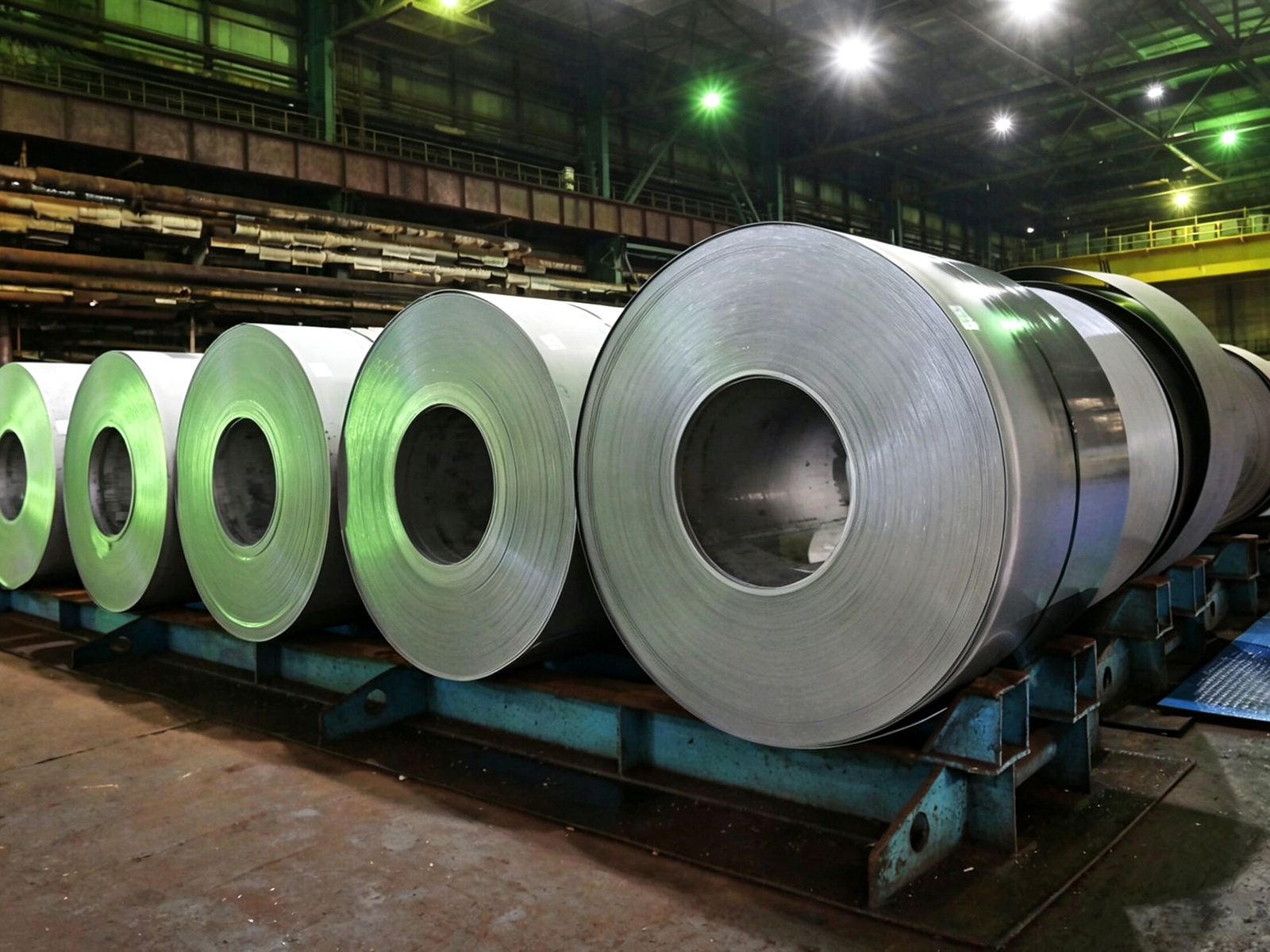
Gr2 titanium foil belongs to ASTM Grade 2 industrial pure titanium material. Its main component is titanium, and the material performance is ensured by strictly controlling impurity elements such as iron, oxygen, nitrogen, carbon, and hydrogen. The thickness ranges from 0.02 to 1.0mm, and the width can reach up to 680mm. As the most widely used type of industrial pure titanium, Gr2 titanium foil features moderate strength (tensile strength ≥ 345 MPa), excellent ductility (elongation ≥ 20%), and outstanding corrosion resistance. Compared with Gr1 titanium foil, Gr2 provides higher structural support while maintaining good formability. Its density is only 4.51 g/cm³ (about 60% of steel) and can operate stably in environments up to 350℃ for long periods. Its surface naturally forms a dense TiO2 passivation film, performing excellently in seawater, acidic and alkaline media, and it is widely used in chemical anti-corrosion, seawater desalination, electrolytic electrodes, medical devices, and electronic shielding.
1. What Should You Know About Core Material Properties and Technical Specifications of Gr2 Titanium Foil?
(1) What Should You Know About Chemical Composition and Purity Standards?
The chemical composition of Gr2 titanium foil strictly follows the ASTM B265 standard, with a Ti content of ≥ 99.20%, ensuring the intrinsic purity of the material. Impurity elements are strictly controlled: Fe ≤ 0.30%, O ≤ 0.25%, N ≤ 0.03%, C ≤ 0.08%, H ≤ 0.015%. Compared with Gr1, Gr2 allows higher oxygen and iron content, resulting in higher strength levels while maintaining good processing performance. Compared to Gr1 titanium foil, which has lower impurity content, Gr2 finds the optimal balance between industrial cost and performance, making it suitable for large-scale applications.
(2) What Should You Know About Physical and Mechanical Performance?
Table 1: Key Performance Parameters of Gr2 Titanium Foil
Performance indicators | Numerical value | Technical significance |
|---|---|---|
Density | 4.51 g/cm³ | The advantages of lightweight design are significant |
Melting point | 1668℃ | High-temperature stability assurance |
Tensile strength | ≥ 345 MPa | Meet medium load requirements |
Yield strength | 275-410 MPa | Structural Application Reliability |
Elongation | ≥ 20% | Complex formability |
Resistivity | 0.56 μΩ·cm | Fundamentals of Electrochemical Applications |
The grain structure of the material, after undergoing a continuous annealing process (Zone 7 electric heating with ± 2℃ precise temperature control), exhibits excellent uniformity. The 20-pass high-precision cold rolling technology controls thickness tolerance within ± 0.001mm, and combined with high-precision leveling processes, ensures that the flatness of the foil and residual stress control reach industry-leading levels. This microstructural stability allows the material to demonstrate predictable performance consistency in secondary processing such as stamping, bending, and welding.
(3) What Should You Know About Temperature Tolerance and Environmental Adaptability?
Gr2 titanium foil can operate long-term in environments ≤ 350℃, with a short-term temperature resistance up to 540℃. Its surface spontaneously forms a TiO2 passivation film with a thickness of about 2-10 nm, which can effectively block corrosion from oxidizing media. In seawater environments, this passivation film demonstrates stability superior to 316 stainless steel, with excellent resistance to pitting and crevice corrosion. The material’s non-magnetic properties (magnetic permeability close to 1) prevent electromagnetic interference, making it uniquely valuable in the fields of precision electronics and instrumentation. Ultrasonic cleaning processes achieve a surface Ra value >40, providing an ideal substrate for subsequent coating, composite, and other functional treatments.
2. What Are the Differences in the Competitive Advantages of Gr2 Titanium Foil Compared to Other Grades?
(1) What Are the Differences in Performance Comparison of Gr1 Titanium Foil?
Table 2: Performance Comparison of Gr1 and Gr2 Titanium Foil
Comparison Dimension | Gr1 Titanium Foil | Gr2 Titanium Foil |
|---|---|---|
Impurity content | Lower | Slightly high but controlled |
Tensile strength | 240-345 MPa | ≥ 345 MPa |
Extensibility | Elongation ≥ 24% | Elongation ≥ 20% |
Typical Applications | Superplastic forming, ultra-thin wall parts | General-purpose structure, functional thin materials |
Cost-effectiveness | Higher purity cost | Cost-effective on an industrial scale |
Gr2 titanium foil achieves an approximate 30% increase in strength through optimization of its chemical composition, while still maintaining good cold working properties. In scenarios such as linings for chemical equipment and heat exchanger baffles that need to withstand moderate mechanical loads, Gr2 provides more reliable structural support compared to Gr1, reducing the need for material thickness and, in practical applications, lowering overall weight and cost. Its welded joint strength can reach over 90% of the base material, and it has strong adaptability to TIG, laser, and electron beam welding processes.
(2) Why Is Advantages of Stainless Steel and Nickel-Based Alloys Important?
In highly corrosive environments, Gr2 titanium foil exhibits comprehensive advantages that traditional materials can hardly match. Compared with 316L stainless steel, its resistance to pitting corrosion in chloride environments (such as seawater desalination) is 5-10 times higher, and its density is only 57% that of stainless steel, resulting in significant weight reduction. Compared with nickel-based alloys (such as Hastelloy C-276), Gr2 reduces costs by more than 60% in neutral and mildly oxidizing media. Although its performance is slightly inferior in strongly reducing acids, it can still meet the requirements of most chemical industry scenarios through process condition optimization.
(3) What Should You Know About Technical Breakthrough in Ultra-thin Wide Specifications?
Traditional titanium foil production faces three major technical bottlenecks: large springback, difficult control of plate shape, and performance fluctuations. By using a 750mm 20-roller precision rolling mill (maximum rolling force 3500KN, line speed 400m/min), the challenge of stable mass production of ultra-thin, wide materials has been overcome. Through independently developed degreasing formulas and ultrasonic cleaning processes, the surface cleanliness of the materials meets high standards; the leveling tension control system has been optimized to ensure that the flatness of 0.02mm thin materials meets the requirements of precision processing. The continuous annealing line uses argon protection and a 7-zone temperature control technology (accuracy ± 2℃) to eliminate differences in microstructure between batches. High-precision slitting equipment controls width tolerance within ± 0.1mm, and product yield and quality consistency are significantly better than the industry average.
3. What Should You Know About Production Process Flow and Quality Control System?
(1) What Should You Know About Precision Rolling and Surface Treatment Technology?
The production process begins with the melting of titanium ingots, followed by forging → hot rolling into slabs → multiple passes of 20-roll cold rolling → ultrasonic cleaning → continuous online annealing → temper rolling → slitting → inspection and packaging. The multi-roll support structure of the 20-roll mill effectively disperses rolling pressure, allowing the thickness uniformity of ultra-thin 0.02mm material to be controlled at the micron level during rolling. The ultrasonic cleaning line has a maximum line speed of 30 m/min and, combined with a special alkaline cleaning agent, removes surface rolling oil and fine particles to ensure that no oxidation color differences occur during the subsequent annealing process.
The polishing production line caters to the needs of functional surfaces, providing various surface finishes such as bright, mirror, and matte. The bright surface is achieved through precision rollers and tension control, with a surface roughness of Ra ≤ 0.4 um, suitable for electronic shielding and composite material applications; the matte surface is treated with special sand belts to enhance coating adhesion, meeting the requirements of chemical anti-corrosion coatings. Controlling surface color difference is a technical challenge. By precisely regulating the annealing atmosphere (oxygen content <10 ppm) and optimizing the cooling rate, color consistency of materials within the same batch is ensured.
(2) What Should You Know About Heat Treatment and Microstructure Uniformity Assurance?
The continuous annealing line is a key piece of equipment for stable performance, with a maximum operating temperature of 1100℃, and uses a 7-zone independent electric heating control system. The material is heated to the recrystallization temperature range (usually 650-750℃) at a set rate in a protective atmosphere, with the holding time dynamically adjusted according to thickness, and then cooled to room temperature under controlled conditions. This non-stop continuous processing method avoids the temperature unevenness problems of batch annealing, resulting in a narrow material grain size distribution (ASTM grades 7-9), with mechanical property fluctuations controlled within ± 5% of standard values.
Skin Pass rolling is a crucial process before the finished product. Through a slight reduction of 1-3%, it eliminates the yield plateau and improves surface quality. This process allows the material to acquire moderate work hardening, enhancing its resistance to wrinkling during subsequent stamping. Used in conjunction with a high-precision leveling line (maximum speed 150 m/min), through alternating multi-roll bending straightening, residual stress is fully released, and material flatness reaches an internationally advanced level, meeting the requirements for automated feeding and precise cutting.
(3) What Should You Know About Full-process Inspection and Quality Traceability?
The quality control system covers the entire process from the entry of raw materials to the shipment of finished products. Chemical composition is verified by both spectroscopic analysis and ICP-MS to ensure compliance with ASTM B265 standards; mechanical properties undergo tensile testing according to GB/T 228.1 standards, with at least three samples taken from each roll of material; dimensional accuracy is monitored online using a laser thickness gauge, with real-time recorded data traceable. Surface quality inspection combines visual examination with an automated vision system to eliminate defects such as scratches and dents.
Ultrasonic flaw detection technology is applied to products with a thickness of ≥ 0.1mm to inspect internal inclusions and lamination defects; grain size evaluation is carried out using a metallographic microscope (500x) to ensure uniformity of the structure. Each batch of products comes with a Material Test Certificate (MTC), which includes chemical composition, mechanical properties, dimensional tolerances, and surface condition inspection data, supporting customer quality traceability and process optimization. A stable annual production capacity of 3, 000 tons combined with strict quality control provides reliable assurance for large-volume orders.
4. Why Is Multi-domain Industrial Application Scenarios and Value Realization Important?
(1) What Should You Know About Corrosion Protection and Marine Engineering Field?
In chemical equipment, Gr2 titanium foil is used to manufacture reactor linings, pipeline linings, and valve diaphragms, resisting corrosion from strong mediums such as chlorine-alkali, sulfuric acid, and nitric acid. The material’s overall forming capability reduces the number of welding points, lowering corrosion risks; ultra-thin specifications (0.02-0.1mm) can be combined with a steel substrate through a composite process, ensuring corrosion resistance while controlling costs. Evaporator and condenser tube sheets in seawater desalination devices are made of Gr2 titanium foil, taking advantage of its excellent seawater corrosion resistance and thermal conductivity, extending the equipment’s service life to 3-5 times that of traditional materials.
This material is widely used in the anti-corrosion coating substrates of marine engineering platforms, seawater pump flow parts, and ballast water treatment systems. Its non-magnetic property prevents interference with navigation equipment, and its lightweight characteristic reduces the weight of offshore structures. In salt spray environments, the self-repairing ability of the material’s surface passivation film significantly extends maintenance intervals, reducing offshore operation risks and costs. The wide-width specification (up to 680mm) supports integrated manufacture of large-area protective layers, minimizing local corrosion issues caused by joint seams.
(2) Why Is New Energy and Electrochemical Applications Important?
The electrode substrate of the electrolytic hydrogen production device and the bipolar plate of the proton exchange membrane fuel cell are made of Gr2 titanium foil. The material’s low resistivity (0.56 μΩ·cm) and corrosion resistance meet the demanding requirements of electrochemical reactions. The ultra-thin specification reduces ohmic loss and improves energy conversion efficiency; after special surface treatment, it can be directly used as a catalyst carrier, simplifying the electrode structure. In the lithium battery industry, titanium foil is used as a current collector and safety valve material, and its thermal stability and non-magnetic properties enhance the safety of battery packs.
The anode substrate of ion-exchange membrane electrolyzers in the chlor-alkali industry is exposed to high concentrations of chloride ions and a strong oxidative environment for extended periods. After coating the surface of Gr2 titanium foil with noble metal oxides, a DSA electrode (dimensionally stable anode) is formed, with a service life of over 5 years. The formability of the material supports the manufacturing of complex-structured electrodes, improving current distribution uniformity. In wastewater treatment electrocoagulation equipment, titanium foil electrodes exhibit far greater corrosion resistance than iron or aluminum materials, reducing operating costs while avoiding secondary pollution.
(3) What Should You Know About Electronics Industry and Precision Instrument Manufacturing?
The electromagnetic shielding layer of 3℃ electronic products uses ultra-thin Gr2 titanium foil (0.02-0.05mm), which is formed into shielding covers and gaskets through stamping or composite processes. The material’s non-magnetic property and high conductivity ensure shielding effectiveness, and its lightweight characteristics align with the trend of making portable devices thinner and lighter. Large-area shielding materials are produced in wide-width specifications as integrated units, eliminating signal leakage risks from seams, and the product consistency is better than traditional copper foil solutions.
The vacuum chambers of precision instruments, sensor diaphragms, and optical lens barrel mounts use titanium foil for its low thermal expansion coefficient (8.6×10⁻⁶/K) and high stiffness-to-weight ratio, ensuring measurement accuracy and structural stability. In the aerospace field, thin-walled ducts, thermal shields, and antenna reflector surfaces are made of Gr2 titanium foil, meeting the requirements for lightweight design and extreme temperature resistance. The welding performance of the material supports electron beam welding for manufacturing complex thin-walled structures, with weld strength meeting standards and reliable airtightness.
(4) Why Is Device and Biocompatibility Applications Important?
Gr2 titanium foil, due to its good biocompatibility, can be used in certain medical device components, laboratory equipment parts, and non-load-bearing structural components. The material’s biocompatibility is certified by ISO 10993 and can coexist harmoniously with human tissue without surface modification. Ultra-thin specifications (0.1-0.3 mm) reduce the volume of implants and decrease patients’ foreign body sensation; excellent X-ray transparency facilitates postoperative imaging examinations. Surgical instrument trays and sterilization containers utilize titanium foil’s resistance to high-temperature and high-pressure sterilization (can withstand 134℃ steam sterilization), with a service life exceeding that of stainless steel products.
The sterile isolation systems of pharmaceutical equipment and the linings of laboratory clean benches use Gr2 titanium foil, whose surface does not release ions, preventing drug contamination. Its easy-to-clean properties and resistance to disinfectant corrosion meet GMP standard requirements. Dental restorative materials and orthodontic brackets utilize the machinability and aesthetic qualities of titanium foil, with market acceptance continuously increasing. The material’s fatigue resistance ensures long-term implantation safety, and clinical application data is well accumulated.
5. Why Is Custom Processing Capability and Supply Chain Advantage Important?
(1) What Should You Know About Flexible Specification Customization Service?
The standard specifications cover a thickness of 0.02-1.0mm and a width of 15-680mm, supporting ultra-thin customization of ≥ 0.005mm to meet the extreme requirements in the fields of microelectronics and optics. The length is customized according to customer process requirements, and coil supply reduces cutting loss. Surface conditions offer three standard options: cold-rolled bright, mirror-polished, and matte finish, along with functional customizations such as conductive coatings and hydrophilic modifications. Delivery conditions include annealed (M, optimal plasticity), cold-worked (Y, strength enhanced), and hot-processed (R, special requirements), matching different forming processes.
Dimensional tolerance grading management: Standard grade thickness ± 0.01mm, width ± 0.3mm; precision grade thickness ± 0.005mm, width ± 0.1mm; special custom grade thickness can reach ± 0.002mm. Flatness control is divided into ≤ 3mm/m (general grade) and ≤ 1mm/m (precision grade), and edge quality offers two options: sheared edge and ground edge. Chemical composition can be slightly adjusted in oxygen content according to special corrosion resistance requirements to achieve a customer-specific balance of strength and plasticity.
(2) What Should You Know About Guarantee of Stable Supply with a Production of 3, 000 Tons?
The total investment in the production line is 36.2 million USD, equipped with an internationally advanced 750mm 20-roll mill, a continuous annealing line, and high-precision slitting equipment, forming a complete processing chain from raw material to finished product. An annual production capacity of 3, 000 tons ensures timely delivery of large orders, while the inventory management system supports rapid response to small-batch, multi-specification demands. The automated production line, combined with full-process online inspection, minimizes human interference, with batch stability leading the industry.
The supply chain collaboration capabilities cover upstream titanium ingot procurement (strategic cooperation with large domestic titanium manufacturers) to downstream logistics and distribution (optional vacuum packaging, wooden crates/pallets). The technical service team provides value-added services such as material selection advice, process parameter optimization, and failure analysis. With dual certification under the ISO 9001 quality system and ASTM/EN standards, the products can be exported to the European, American, and Japanese markets without barriers. Complete third-party test reports (SGS, TÜV, etc.) are provided with the goods to meet customer certification requirements.
(3) What Should You Know About Seven Major Core Technology Barriers?
Solving seven major challenges through technological breakthroughs: controlling surface color difference (annealing atmosphere optimization), thickness tolerance control (roll thermal crown compensation), uniform annealing microstructure (multi-zone temperature control and atmosphere protection), high-precision slitting (optimization of tool materials and angles), high-performance cleaning process (ultrasonic and alkaline cleaning combination), plate shape control (coordination of tension and bending rolls), and ultra-thin wide and stable rolling (multi-roll support mechanical model). These technological accumulations enable the product performance indicators to fully match international high-end brands, with some indicators surpassing them, providing clients with imported alternatives.
R&D investment accounts for 8% of total spending, and joint laboratories have been established with universities and research institutes to continuously develop new processes and specifications. Twelve invention patents have been applied for, forming an independent intellectual property technology system. The production data digital management system monitors key process parameters in real time, and AI algorithms assist in quality prediction, reducing defect rates by 40%. This dual advantage in technology and management creates competitive barriers, supporting the company’s strategic goal of becoming a global leader in high-end rare metal processing.
6. What Is the Conclusion?
Gr2 titanium foil, with moderate strength, excellent corrosion resistance, and outstanding processing performance, demonstrates irreplaceable value in various fields such as chemical, marine, new energy, electronics, and medical industries. Through advanced production processes and strict quality control, stable mass production of ultra-thin and wide specifications is achieved, with performance indicators reaching international advanced levels. As a representative product of industrial pure titanium, its comprehensive cost-performance advantage promotes the localization of high-end equipment and provides reliable material support for global customers.
FAQ
Q1: How should Gr2 titanium foil and Gr1 titanium foil be selected in practical applications?
The strength of Gr2 titanium foil is about 30% higher than that of Gr1, making it suitable for structural applications in chemical equipment, heat exchangers, and other cases requiring moderate mechanical loads. Gr1 has better ductility (elongation ≥ 24%), making it suitable for superplastic forming and ultra-thin complex parts. Both have comparable corrosion resistance, and the choice depends on the balance between strength and formability priorities.
Q2: How is quality stability ensured in the production of the 0.02mm ultra-thin specification?
Using a 750mm 20-roll precision mill multi-roll support structure, combined with real-time compensation technology for roll thermal crown, the thickness tolerance is controlled at ± 0.001mm. The continuous annealing line has seven-zone temperature control (± 2℃) and argon protection to eliminate microstructural fluctuations. An online laser thickness gauge provides real-time monitoring and feedback, ensuring a batch consistency of ultra-thin materials of over 99.5%.
Q3: What is the actual service life of this material in a seawater environment?
The TiO2 passive film on the surface of Gr2 titanium foil remains stable in seawater, and its resistance to pitting and crevice corrosion is 5-10 times better than that of 316L stainless steel. Practical application cases show that the service life of heat exchangers in seawater desalination equipment can reach 15-20 years (compared to 3-5 years for traditional materials), and the substrate of anticorrosive coatings on offshore platforms has no failure records for more than 10 years, significantly reducing maintenance costs and downtime risks.
7. What Should You Know About Get Professional Gr2 Titanium Foil Supply Service Immediately?
Baoji Titanium Valley Titanium Nickel Zirconium Material Processing Co., Ltd., as a professional Gr2 Titanium Foil manufacturer and supplier, relies on an annual production capacity of 3, 000 tons and complete custom processing capabilities to provide global customers with ultra-thin wide titanium foil products ranging from 0.02 to 1.0 mm. For technical consultation, sample testing, or bulk purchasing, please contact: sales@titaniumvalleys.com. Our engineering team will respond to your needs within 24 hours.
References
1. Li Qiang, Wang Ming. “Precision Rolling Technology and Microstructure Performance Control of Industrial Pure Titanium Foil.” Rare Metal Materials and Engineering, 2021.
2. Schmidt, P. and Yamamoto, K. Corrosion resistance of industrial pure titanium in marine environments. Journal of Materials Science and Engineering, 2020.
3. Zhang Wei, Liu Xiaodong. ‘Progress in the Application of Ultrafine Titanium Foil in the Field of New Energy Electrochemistry.’ Chinese Journal of Nonferrous Metals, 2022.
4. Mueller, R. Processing and Application of Thin Titanium Foil for Industrial Use. Advanced Materials and Processes, 2019.