
Which Factors Affect the Performance and Durability of Gr4 Titanium Foil?
- Gr4 Titanium Foil
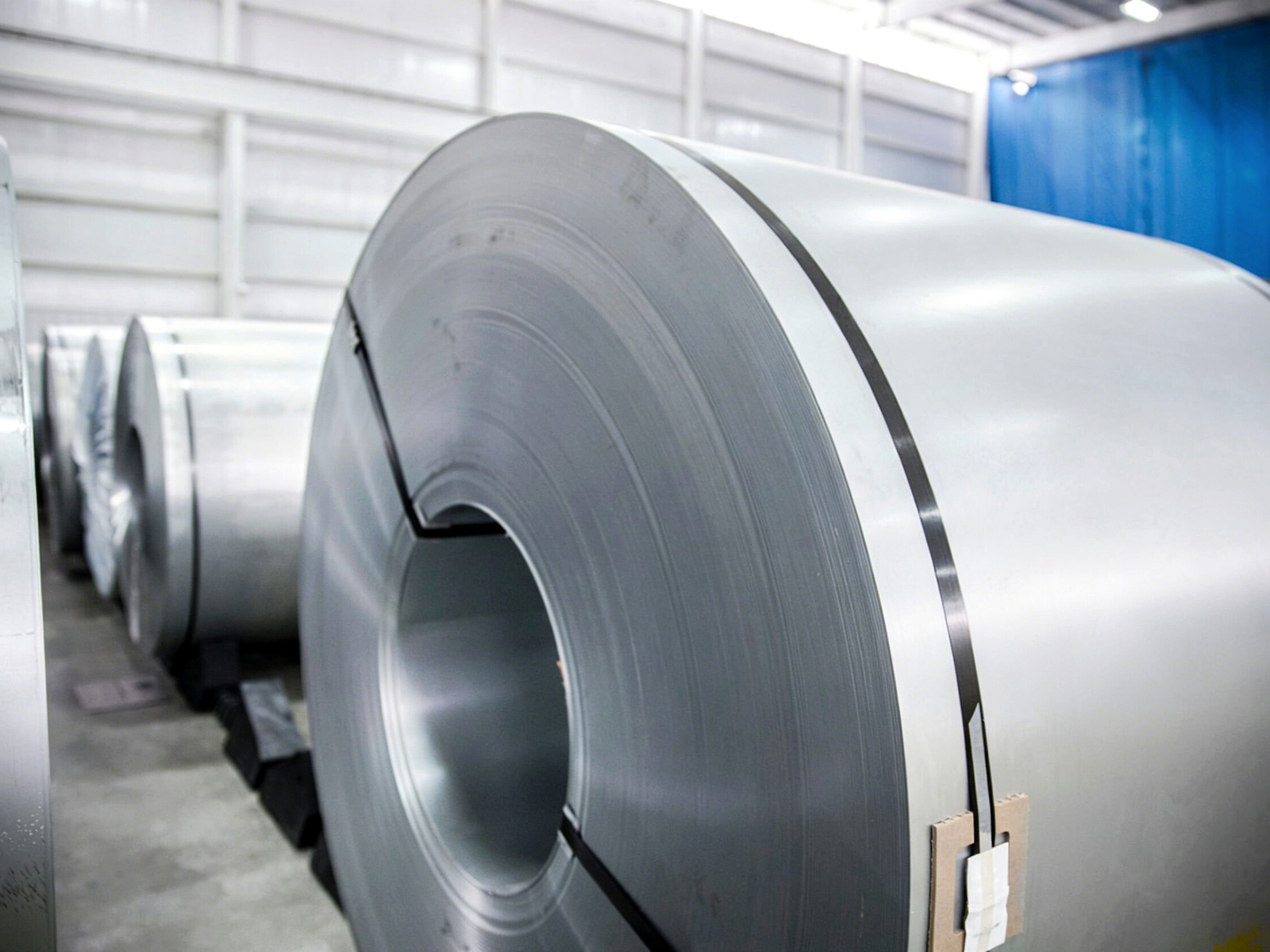
Gr4 titanium foil, as the highest strength grade of industrial pure titanium, has its performance and durability affected by multiple factors. The purity of the material’s chemical composition, process control during manufacturing, the precision of heat treatment parameters, and the complexity of the usage environment all directly determine the final product’s mechanical strength, corrosion resistance, and service life. The ultra-thin specifications with a thickness of 0.02-1.0mm place higher demands on production technology, and even minor process deviations can lead to performance fluctuations. Understanding these key influencing factors can help engineers in high-end manufacturing, aerospace, and chemical industries make more precise material choices, ensuring the reliable operation of critical components under high loads and highly corrosive environments.
1. How Do the Chemical Composition and Purity Determine the Basic Properties of Gr4 Titanium Foil?
(1) What Should You Know About the Balancing Effect of Oxygen Content on Strength and Ductility?
The oxygen content of Gr4 industrial pure titanium is controlled at ≤ 0.40%. The presence of this interstitial element significantly enhances the material’s tensile strength. As an interstitial element in α-titanium, oxygen increases the degree of lattice distortion, thereby improving the material’s strength and hardness, but at the same time reduces ductility. Therefore, Gr4 achieves higher strength through a higher yet controlled oxygen content while maintaining the good corrosion resistance and machinability of industrial pure titanium, allowing Gr4’s tensile strength to reach ≥ 550 MPa, far higher than grades such as Gr1 and Gr2. However, the increase in oxygen content reduces the material’s plastic deformation ability, lowering the elongation to ≥ 15%. This performance trade-off requires precise control of oxygen content during production-not only to ensure sufficient structural strength to meet load-bearing requirements but also to maintain necessary formability for processing operations such as stamping and bending.
(2) What Should You Know About the Relationship Between Iron Element Control and Corrosion Resistance?
Limiting the iron content to ≤ 0.30% is the key for Gr4 titanium foil to maintain excellent corrosion resistance. As an impurity element, excess iron can form β-phase enrichment zones in the titanium matrix, which become preferential points for corrosion in chloride environments. In application scenarios such as seawater desalination and chemical equipment, where chloride concentrations are high and exposure time is long, strict control of iron content directly determines the service life of the material in extreme media. Ultrasonic cleaning processes can achieve a surface DAI value over 40, removing iron contamination from the manufacturing process and further enhancing corrosion resistance.
(3) What Should You Know About Microstructural Stability Under the Comprehensive Influence of Interstitial Elements?
Although interstitial elements such as nitrogen, carbon, and hydrogen are present in extremely low amounts (N ≤ 0.05%, C ≤ 0.08%, H ≤ 0.015%), they have a significant impact on the stability of the microstructure. The presence of hydrogen may lead to hydrogen embrittlement, reducing the fatigue life of the material under cyclic loading. The continuous annealing process uses a 7-zone electric heating control, with a maximum temperature of 1100℃ and a temperature control accuracy of ± 2℃. This precise heat treatment can effectively remove hydrogen, while homogenizing the microstructure, ensuring the material’s performance stability at long-term operating temperatures of ≤ 350℃.
Element Type | Content range | Main impact on performance | Control methods |
|---|---|---|---|
Oxygen (O) | ≤ 0.40% | Increase strength, reduce plasticity | Vacuum melting, argon protection |
Iron (Fe) | ≤ 0.30% | Affect corrosion resistance | Raw material purity, ultrasonic cleaning |
Hydrogen (H) | ≤ 0.015% | Induce hydrogen embrittlement risk | Vacuum annealing, dehydrogenation treatment |
Nitrogen (N) | ≤ 0.05% | Influence on resilience | Inert gas protection |
2. What Should You Know About the Effect of Production Process Parameters on the Performance Consistency of Gr4 Titanium Foil?
(1) What Should You Know About Deformation Control and Grain Refinement in Cold Rolling Process?
The 20-roll precision cold rolling process is the core technology for achieving ultra-thin specifications of 0.02-1.0 mm. With a maximum rolling force of 3500 kN combined with a rolling speed of 400 m/min, it can stably control the thickness reduction at each pass. The cumulative deformation in multiple passes exceeds 90%, and the intense plastic deformation refines the grain size to the micrometer level. The grain boundary strengthening effect brought by the increased density of grain boundaries further enhances material strength. Controlling the temperature rise during the rolling process is crucial-excessive temperature can trigger recrystallization causing strength loss, while too low a temperature increases the risk of cracking. The 750 mm wide rolling mill is equipped with a real-time temperature monitoring system, which can keep temperature fluctuations in the rolling zone within ± 5℃.
(2) What Should You Know About Regulation of the Balance Between Strength and Toughness by the Annealing System?
The electric heating system in Zone 7 of the continuous annealing line provides precise temperature gradient control. The combination of annealing temperature, holding time, and cooling rate determines the degree of recrystallization and final mechanical properties. For Gr4 titanium foil, the typical annealing temperature is in the range of 650-750℃, which can relieve cold working stresses while maintaining a relatively high dislocation density to preserve strength levels. Non-stop continuous annealing ensures the stability of the furnace atmosphere, preventing oxidation and hydrogen absorption. The leveling process after annealing is carried out at a speed of 150 m/min, which can improve flatness and reduce residual stress without introducing excessive work hardening.
(3) What Should You Know About the Impact of Surface Treatment Processes on Subsequent Machining Performance?
The independently developed degreasing formula combined with ultrasonic cleaning technology enables surface cleanliness to meet the requirements of high-end electronic and medical applications. A surface dyne value exceeding 40 indicates excellent wettability, which is crucial for subsequent coating, lamination, and soldering processes. The grinding process can improve surface consistency and roughness, eliminating microscopic defects that could become sources of cracks. For applications as battery current collectors, surface roughness directly affects electrochemical contact resistance and charge-discharge efficiency. Different surface finishes (glossy/matte) are achieved through roller roughness and tension control to meet diverse functional requirements.
3. What Should You Know About Challenges to the Durability of Gr4 Titanium Foil Under Environmental Conditions?
(1) What Should You Know About Mechanism of the Effects of Corrosive Medium Type and Concentration?
The corrosion resistance of Gr4 titanium foil in seawater and acidic or alkaline solutions is due to the dense TiO2 passivation film on its surface. This oxide film, only a few nanometers thick, has self-repairing abilities and can rapidly regenerate in oxidative media. However, in reducing acids (such as hydrochloric acid or sulfuric acid), especially under high-temperature and high-concentration conditions, the stability of the passivation film decreases. The strong penetrative ability of chloride ions makes them the main cause of pitting; in seawater desalination modules, the chloride ion concentration can reach 3.5%, and prolonged exposure can trigger localized corrosion at surface defects. In the chemical industry, mixed acid environments are even more complex, and the presence of fluoride ions can damage the passivation film, accelerating uniform corrosion, which requires evaluating the specific composition of the medium when selecting materials.
(2) What Should You Know About the Impact of Temperature Cycling and Thermal Stress on Structural Integrity?
Although the melting point of Gr4 titanium foil reaches 1668℃, its recommended long-term working temperature should not exceed 350℃. Exceeding this temperature can cause the material to undergo creep deformation and grain growth, leading to strength degradation. The expansion and contraction during thermal cycling will accumulate fatigue damage in welded joints and formed areas. Honeycomb core materials in the aerospace field need to withstand drastic temperature changes from the ground to high altitudes, with cycles from -40℃ to 150℃ generating thermal stress concentrations at metal connections. The residual stress eliminated by the continuous annealing process helps improve thermal cycling stability, while thickness uniformity (controlled to ± 0.001mm) reduces the formation of local stress concentration points.
(3) What Should You Know About the Decisive Role of Mechanical Load Forms on Fatigue Life?
The high yield strength (480-665 MPa) of Gr4 titanium foil under static load provides sufficient safety margin, but fatigue performance under dynamic load is more critical. Electrolytic cell anode foils endure high-frequency vibrations under current pulses, and surface microcracks propagate at stress concentration points, eventually leading to failure. The fatigue strength of the material is about 50-60% of its tensile strength, and surface quality has a significant impact on the fatigue limit-defects such as scratches and indentations can reduce fatigue life by more than 30%. High-precision leveling processes, by optimizing tension distribution and improving flatness to ≤ 3mm/m, reduce stress concentrations during use and extend the fatigue life of structural components.
Environmental factors | Impact mechanism | Performance degradation manifestation | Response strategy |
|---|---|---|---|
Chloride ion corrosion | Passivation film damage | Pitting corrosion, crevice corrosion | Improve surface cleanliness, passivation treatment |
High-temperature environment | Creep, grain growth | Strength decrease, dimensional change | Control use temperature ≤ 350℃ |
Cyclic load | Fatigue crack growth | Fatigue fracture | Surface polishing, eliminating stress concentration |
Reducing acid | Hydrogen permeation | Hydrogen embrittlement, loss of toughness | Coating protection, regular inspection |
4. What Should You Know About the Role of the Quality Control System in Ensuring Performance Stability?
(1) What Should You Know About the Necessity of Full-process Dimensional Accuracy Control?
Every stage from smelting to finished products requires strict dimensional control. Thickness tolerances are maintained at ± 0.01mm, which for ultra-thin specifications of 0.02mm means the deviation rate must be below 50%. The online thickness measurement system provides real-time feedback to the rolling mill control system, enabling dynamic compensation through fine adjustments of hydraulic cylinder pressure. Width tolerances are controlled to ± 0.1mm via high-precision slitting lines, with laser measurement working in conjunction with servo-driven knife stands to ensure accuracy even at the maximum width of 680mm. Dimensional stability directly affects subsequent precision processes such as stamping and etching, and cumulative deviations can lead to exceeding fit tolerances and increased scrap rates.
(2) What Should You Know About Testing Standards for Batch Consistency of Mechanical Properties?
In large-scale production with an annual output of 3, 000 tons, consistency in performance between batches is the most important indicator for customers. Each roll of product undergoes tensile testing, hardness testing, and metallographic analysis to ensure that tensile strength, yield strength, and elongation meet the requirements of ASTM B265 and JIS H4600 standards. Statistical Process Control (SPC) methods monitor fluctuations in key parameters, and process parameters are immediately adjusted when data trends approach control limits. For high-end applications such as aerospace, material reports and third-party inspection certificates are also required, including chemical composition analysis, grain size rating, and nondestructive testing results, to comprehensively verify the traceability and reliability of the materials.
(3) What Should You Know About Technical Methods for Controlling Surface Quality Defects?
Surface color differences, scratches, and dents not only affect appearance but can also become starting points for corrosion and fatigue. Strict control of surface color differences is achieved by optimizing the annealing atmosphere and cooling rate, ensuring uniform color in products of the same batch. Automated optical inspection systems can identify surface defects at the micron level, and non-conforming products are removed before slitting. For electrode material applications, surface electrochemical uniformity directly affects current density distribution and electrolysis efficiency. Polishing treatment improves surface microstructure, enhancing the consistency of electrochemical performance. The packaging process uses moisture-proof and dust-proof measures to prevent secondary contamination during transportation and storage.
Quality control process | Detection indicators | Control Standard | Testing method |
|---|---|---|---|
Dimensional accuracy | Thickness, width, straightness | ± 0.01mm, ± 0.1mm | Laser thickness measurement, machine vision |
Mechanical properties | Tensile strength, elongation | ≥ 550 MPa, ≥ 15% | Tensile test, hardness test |
Surface quality | Scratches, color difference, cleanliness | Dain value > 40 | Visual inspection, optical inspection |
Chemical composition | Ti, O, Fe, N, C, H | ASTM B265 requirements | Spectral analysis, inert gas fusion method |
5. Why Is Optimization of Long-Term Performance Through Material Matching and Application Design Important?
(1) What Should You Know About Effect of Welding Process Parameters on Joint Performance?
Gr4 titanium foil is commonly used in welding applications in precision manufacturing. The microstructural changes in the heat-affected zone during welding directly affect joint strength and corrosion resistance. Methods such as TIG welding, laser welding, and resistance welding each have their characteristics, but all require strict control of heat input. Excessive heat input leads to grain coarsening and reduced strength, while insufficient heat input may cause lack of fusion defects. For ultrathin specifications of 0.02-0.10 mm, laser welding is the preferred choice due to its high energy density and narrow heat-affected zone. Surface cleanliness before welding is crucial; ultrasonic cleaning removes oil and oxide layers, ensuring a clean weld and preventing porosity and inclusions. Annealed (M) materials have better weldability than cold-worked (Y) materials, which require stress-relieving treatment before welding.
(2) How Should the Relationship Between Forming Process Selection and Deformation Limits?
Although the elongation of Gr4 (≥ 15%) is lower than that of Gr1 and Gr2, it can still meet most forming requirements under reasonable process conditions. The amount of deformation in processes such as stamping, bending, and deep drawing needs to be controlled within the material’s plastic limit to avoid cracking and excessive springback. When designing molds, increase the fillet radius to reduce local strain concentration. For complex-shaped parts, multi-step progressive forming can be used, with the deformation in each step not exceeding 20%. The forming performance of annealed material is better than that of cold-rolled material. When strength requirements are not extreme, choosing annealed material can improve forming success rates and reduce mold wear. After forming, parts need dimensional springback compensation and stress-relief annealing to ensure geometric accuracy and service stability.
(3) What Should You Know About Synergistic Enhancement of Surface Coatings and Composite Structures?
For extreme corrosion or special functional requirements, applying coatings or constructing composite structures on the surface of Gr4 titanium foil can further enhance performance. Anodizing treatment can thicken the surface oxide film to tens of micrometers, improving wear resistance and decorative properties. Electroless nickel-phosphorus plating enhances electrical contact performance and brazing capability. In battery applications, carbon coatings or conductive polymer coatings reduce contact impedance and improve charge-discharge efficiency. Titanium/polymer laminated composites combine the strength of metal with the insulation and sealing properties of polymers, and are used in flexible electronics and packaging. The adhesion of coatings depends on the cleanliness and roughness of the substrate surface, and the microscopic anchoring structures provided by polishing treatments significantly improve coating bond strength.
6. What Is the Conclusion?
The performance and durability of Gr4 titanium foil are the result of the combined effects of chemical composition, manufacturing processes, usage environment, and quality control. Precise control of oxygen content provides high strength, while precision cold rolling and annealing processes ensure batch consistency. Rigorous surface treatment and dimensional control meet the demands of high-end applications. Understanding these influencing mechanisms, along with the load, medium, and temperature conditions of specific application scenarios, can maximize the performance potential of Gr4 titanium foil and achieve long-term reliable service.
FAQ
Q1: What is the minimum processable thickness of Gr4 titanium foil?
The standard specification is 0.02-1.0mm, but through customized production processes, ultra-thin specifications of ≥ 0.005mm can be achieved. This extremely thin material is mainly used for microelectronic packaging and optical devices, requiring very high precision and stability of production equipment, supported by a 20-roll precision rolling mill and a strict tension control system.
Q2: How can I determine if Gr4 titanium foil is suitable for my application?
Evaluate three core indicators: whether the strength requirement exceeds 550 MPa, the corrosiveness of the working environment (seawater/acid-base), and the complexity of the forming process. Gr4 is suitable for scenarios requiring both high strength and corrosion resistance, but if extreme forming performance is needed, Gr2 may be a better choice.
Q3: How is the welding performance of Gr4 titanium foil ensured?
Select annealed (M) materials, perform ultrasonic cleaning before welding to achieve a surface cleanliness rating >40, use argon protection to prevent oxidation, and control heat input to prevent grain coarsening. For ultra-thin specifications, laser welding is recommended, as it can achieve a narrow heat-affected zone and excellent joint strength.
7. What Should You Know About Looking for High-performance Gr4 Titanium Foil Manufacturers?
Baoji Titanium Valley Titanium-Nickel-Zirconium Materials Processing Co., Ltd. (Titanium Valley) has an automated titanium foil production line with an annual output of 3, 000 tons, overcoming seven major technical challenges of ultra-thin wide materials, providing stable supply for aerospace, medical devices, and chemical equipment. As a professional Gr4 titanium foil supplier and manufacturer, we offer full-specification custom services ranging from 0.02mm to 1.0mm. Contact us for technical support and quotations: sales@titaniumvalleys.com
References
1. Zheng Yongting, Li Miaoqing. Study on the Effect of Oxygen Content in Industrial Pure Titanium on Mechanical Properties [J]. Rare Metal Materials and Engineering, 2018, 47(3): 856-862.
2. Wang Qingjuan, Zhang Yonggang. Optimization of Cold Rolling Process and Control of Microstructure and Properties of Titanium and Titanium Alloy Thin Plates [J]. Titanium Industry Progress, 2020, 37(2): 28-34.
3. Zhao Yongqing, Zeng Weidong. Corrosion Behavior and Protection Technology of Titanium Alloys in Marine Engineering [J]. Materials Engineering, 2019, 47(11): 1-12.
4. Liu Jianrong, Zhu Zhishou. Progress in Precision Forming Technology of Titanium Alloy Sheets for Aerospace Applications [J]. Aeronautical Manufacturing Technology, 2021, 64(8): 14-23.