
Ti-10V-2Fe-3Al Titanium Foil for Precision Forming
- Ti-10V-2Fe-3Al Titanium Foil
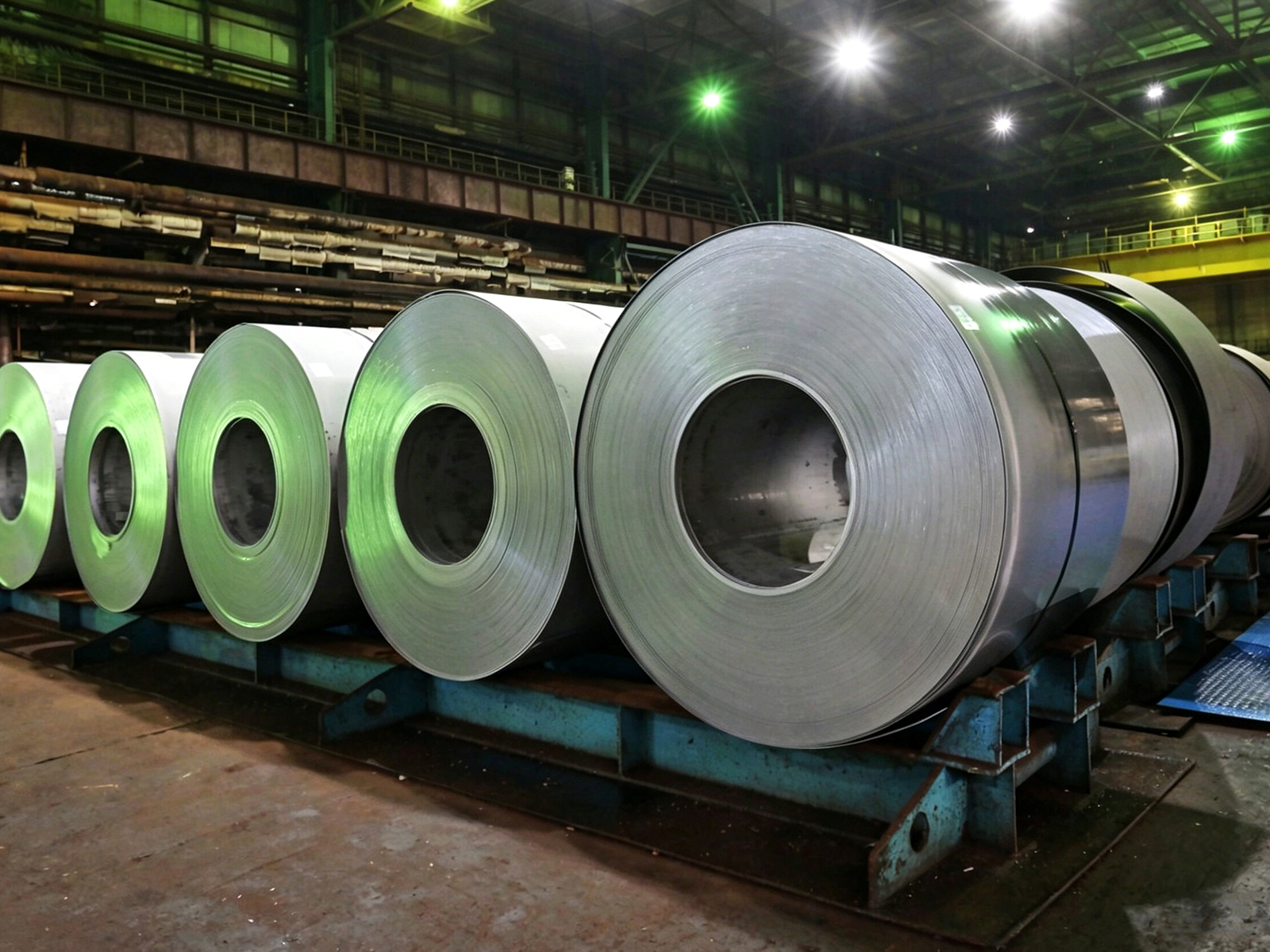
Ti-10V-2Fe-3Al titanium alloy foil may be considered for precision formed parts when its material condition and properties meet the component design. Formability and final strength depend on the specific foil, process and heat treatment. A grade name does not guarantee stamping success or a fixed strength.
Define the material and order
Specify alloy designation, thickness, width, tolerances, surface and edge condition, delivery form and required material condition. Identify the product specification and edition that apply to the agreed alloy and foil dimensions. A specification for bar or plate should not automatically be treated as a foil specification. Verify the required lot identification and documentation in the purchase order.
Plan forming trials
Forming depends on material condition, thickness, rolling direction, tool geometry, clearance, lubrication and the part design. Assess representative material using a suitable trial and inspect for cracking, edge damage, dimensional deviation and springback. Establish the tool settings and acceptance criteria for the actual equipment rather than transferring a universal bend radius or pass rate from an unrelated application.
| Stage | Questions to resolve |
|---|---|
| Material receipt | Does the lot match the ordered grade, dimensions, condition and certificate? |
| Trial forming | Are the actual tool, orientation, lubrication and geometry represented? |
| Heat treatment | Is the procedure qualified for the material and final part? |
| Final verification | Do dimensions and agreed test results meet the component requirements? |
Heat treatment and properties
Solution treatment and aging may be used for some titanium alloys, but the process must be established for the specific material and application. Temperature, time, cooling, distortion and final acceptance requirements need a qualified procedure. Do not assume a specified strength, elongation or hardness without applicable material and test evidence.
Applications and documentation
Before using the material for an aerospace, electronic or medical component, identify the design, surface, inspection and traceability requirements for that application. An alloy designation does not establish aerospace qualification, medical-device safety or a finished-part service life. Discuss material certificates, test reports, quantity and delivery timing for the specific order.
Frequently asked questions
Can foil be formed and then aged without further assessment?
The process and final dimensions and properties must be evaluated and qualified for the part.
Are all material thicknesses and tolerances in stock?
Availability and achievable tolerances depend on the order and must be confirmed with the supplier.
Explore the titanium foil category or request a quotation with the drawing, material specification and documentation requirements.
Published by: Titanium Valleys
Technical and quality review: The updated content is pending review.