
What Are the Differences in Comparison Between GR1 Titanium Wire and Other Titanium Wire Brands, Performance Advantages and Application Differences?
- Gr1 Titanium Wire
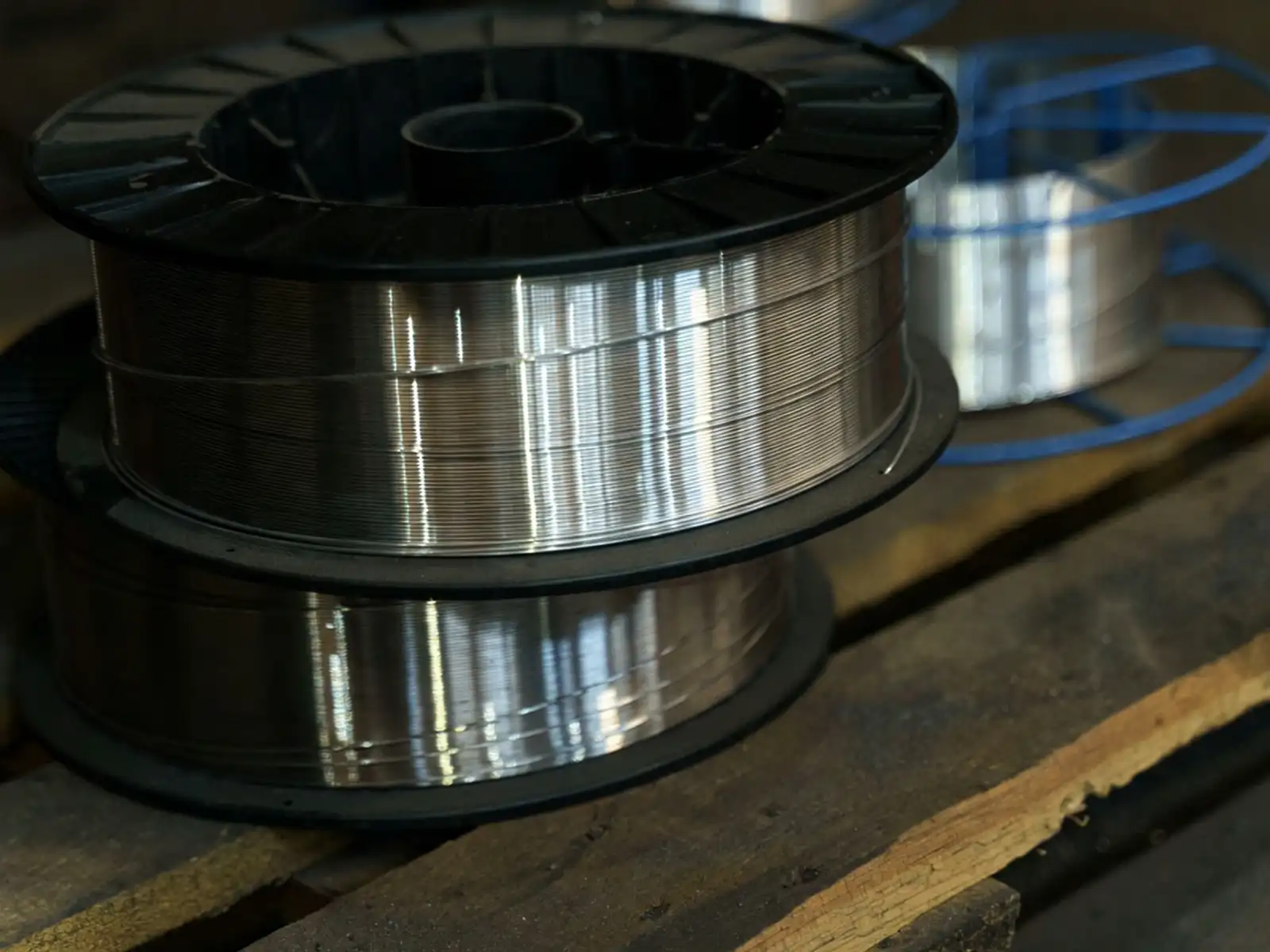
Grade 1 titanium wire compared with Grades 2 and 5. Grade 1 and Grade 2 are unalloyed titanium grades; Grade 5 is a titanium alloy. Selection should begin with the governing specification, delivery condition, wire dimensions, fabrication process and service requirements, rather than a generic ranking of the grades.
Compare the material and the order
| Consideration | Grade 1 and Grade 2 | Grade 5 |
|---|---|---|
| Material family | Unalloyed titanium grades with different specified requirements. | Ti-6Al-4V titanium alloy. |
| Mechanical requirement | Check the required strength, elongation and delivery condition against the applicable specification. | Check the alloy condition, required strength, forming route and project acceptance criteria. |
| Fabrication | Assess diameter, bending, drawing, joining and surface requirements for the intended component. | Evaluate the same processing steps using representative material in the required condition. |
| Service and documentation | Define the medium, load, temperature, traceability and lot test records. | Apply the same project-specific service and documentation review. |
Choose specifications by product form and intended use
ASTM B863 covers titanium and titanium alloy wire, including Grades 1, 2 and 5. The buyer should confirm the contracted edition, grade, wire condition and any supplementary requirements. An aerospace, welding or medical-device order may require a different specification and its own acceptance process.
Formability, corrosion and medical-use boundaries
Forming behavior depends on the actual wire condition, diameter, tooling and process. Corrosion suitability depends on the medium, concentration, temperature, joints and exposure. If material is intended for a medical device, a grade or wire certificate alone does not establish the finished device’s biological compatibility, clinical performance or regulatory approval.
Information for a useful comparison
- Component drawing, wire diameter and tolerance, coil or straight length.
- Grade, applicable specification and edition, condition and surface requirements.
- Forming, joining, cleaning and operating conditions.
- Quantity, lot traceability, material certificate and any agreed tests.
Frequently asked questions
Is Grade 1 always the best wire for forming?
The appropriate choice depends on the forming operation and the actual material condition; qualify the process on representative wire.
Does Grade 5 automatically perform better in every application?
No. The material must meet the complete component, fabrication and service requirements.
Explore the titanium wire category or request a quotation with the grade and inspection requirements.
Published by: Titanium Valleys
Technical review: General Manager of the Production Department
Quality review: Quality Inspection Department
Last reviewed: October 20, 2026 (before the latest content update; the updated content is pending review).