
Nickel 200 Wire for Resistance Heating: Selection Limits
- Nickel 200 Nickel Wire
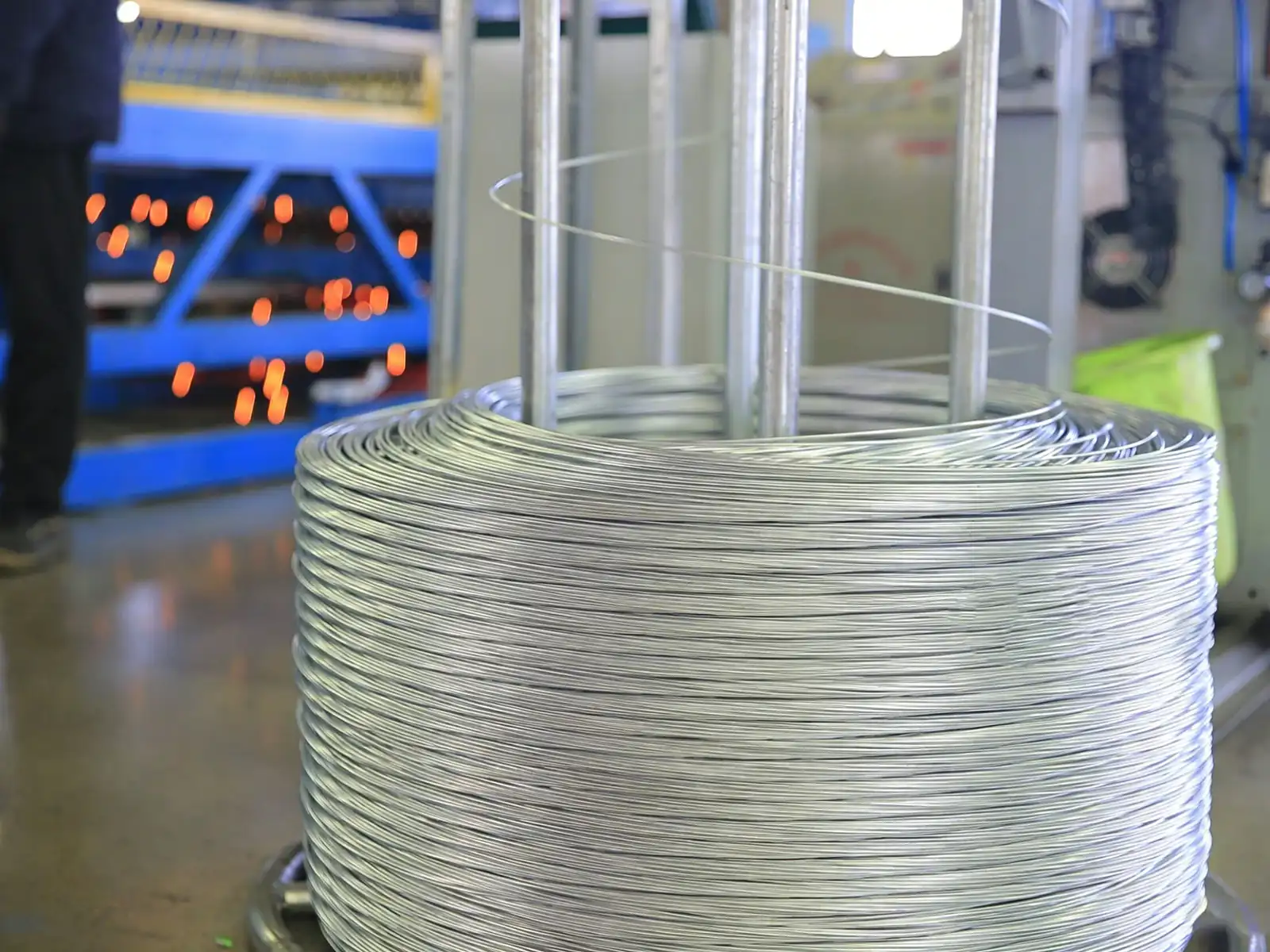
Nickel 200 wire may be evaluated as an electrical conductor or a resistive component where its material and operating characteristics meet the design. Its suitability as a heating element depends on electrical resistance, operating temperature, atmosphere, geometry and the complete assembly; a grade name alone does not guarantee service life.
Resistance and temperature
Electrical resistance depends on the wire’s resistivity, length and cross-sectional area. Temperature affects resistivity, while joints, contact resistance and temperature distribution affect the assembled component. Use temperature-dependent data applicable to the material and condition, then verify the actual component with representative tests. Do not apply one room-temperature value or temperature coefficient to every operating range.
For a stated coefficient of 0.006 per degree and a 100-degree change, a simple linear estimate yields 0.6 times the initial resistance, or 60%, not 0.6%. This calculation is illustrative only; it is not a Nickel 200 performance guarantee and must not replace validated temperature-dependent data.
Temperature and operating environment
Surface oxidation and changes in material properties depend on temperature, exposure time and atmosphere. The manufacturer data sheet for Nickel 200 and Nickel 201 notes that Nickel 201 is generally used for applications above 315 °C because Nickel 200 can be susceptible to graphitization at elevated temperatures. This comparison is not an operating-temperature guarantee for any wire or assembly; verify the design, service atmosphere and applicable material data.
Nickel 200 is ferromagnetic at ordinary temperatures. Magnetic behavior changes with temperature, so an electrical or sensing design should use appropriate material data and component tests. Do not assume the wire is nonmagnetic.
Specify and verify the order
Provide grade, applicable wire specification and edition, diameter and tolerance, condition, surface, delivery form, electrical requirements and required lot records. Agree the measurement temperature and test method if resistance is an acceptance criterion. A material certificate does not establish food-contact approval, clinical suitability or absence of nickel release; those claims require separate evidence for the application.
Frequently asked questions
Is Nickel 200 the right heating wire for every design?
No. Compare electrical, thermal and environmental requirements and validate the complete device.
Does resistance stay constant as the wire heats?
No. Determine the temperature dependence using suitable material data and tests.
Explore our nickel wire category or request a quotation with your grade, dimensions, condition, application and documentation requirements.
Published by: Titanium Valleys
Technical and quality review: The updated content is pending review.