
Grade 5 Titanium Rod Thermal Conductivity: Testing and Selection
- Gr5 Titanium rod
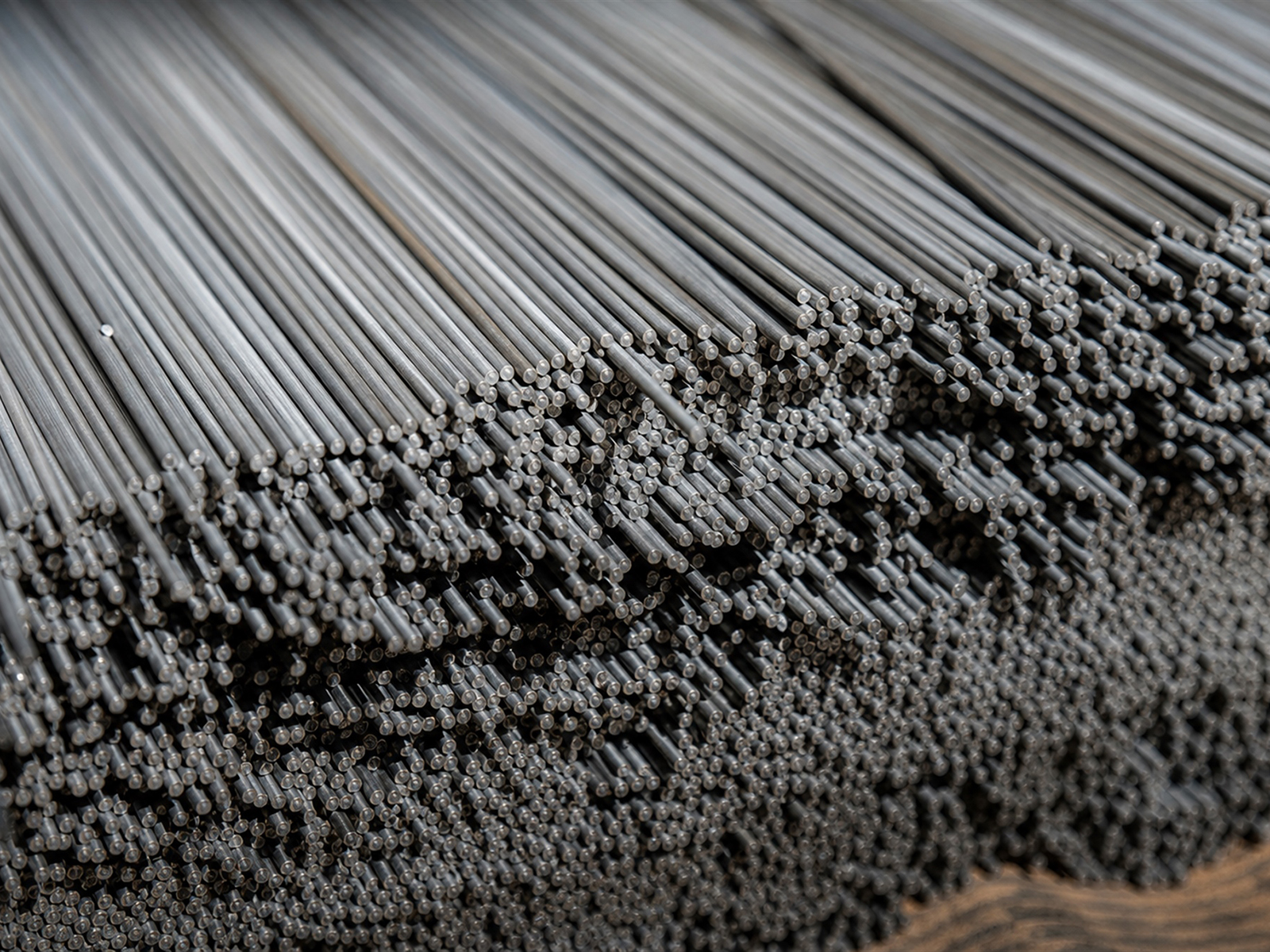
Thermal conductivity describes how readily heat flows through a material. The appropriate value for Grade 5 titanium rod depends on temperature, material condition and test method. Use documented data for the relevant material and conditions rather than treating a single value as a guaranteed property of every rod.
Conductivity and diffusivity
Thermal conductivity is expressed in W/(m·K). Thermal diffusivity describes the rate of temperature change through a material and is a different property. ASTM E1461 describes a flash method for thermal diffusivity. Conductivity can in many cases be derived using diffusivity, density and specific heat capacity measured or established for corresponding conditions: conductivity = diffusivity × density × specific heat capacity. Report the units, temperature and source of each input.
A flash-method result by itself is not a direct conductivity measurement. Sample preparation, test direction, temperature and uncertainty can affect the reported outcome.
Why material condition matters
Grade 5 is Ti-6Al-4V, typically designated UNS R56400. Product form, processing and heat treatment influence microstructure; measurements for another lot or condition should not be represented as a certificate value for the supplied rod. ASTM B348/B348M covers annealed titanium bars and billets; agree the edition and any additional thermal-property testing separately.
| Question | Information to record |
|---|---|
| Material | Grade, lot, form, processing and condition. |
| Test | Method, specimen, temperature, orientation and uncertainty. |
| Calculation | Diffusivity, density and heat capacity at consistent conditions. |
| Design | Geometry, heat flux, interfaces and allowable component temperature. |
Machining and service
Heat concentration during machining depends on tooling, cutting parameters, cooling and component geometry as well as material properties. Set process parameters through suitable trials and the machining procedure. A material property alone does not establish tool life, a service temperature, insulation performance or a finished component’s safety.
For medical applications, heating in MRI depends on the complete device and its conditions of use. Do not infer MRI safety or clinical performance from the thermal conductivity of the raw material.
Frequently asked questions
Does ASTM E1461 directly measure thermal conductivity?
It measures thermal diffusivity by the flash method; conductivity can be derived with appropriate density and heat-capacity data.
Is one published number suitable for all designs?
No. Confirm temperature, condition, method and the relevance of the data to the application.
Explore the titanium rod category or request a quotation with the material specification, dimensions and documentation requirements.
Published by: Titanium Valleys
Technical review: General Manager of the Production Department
Quality review: Quality Inspection Department
Last reviewed: October 20, 2026 (before the latest content update; the updated content is pending review).