
Grade 1 Titanium Bar for Orthopedic Devices: Material and Safety Evaluation
- Gr1 Titanium Bar
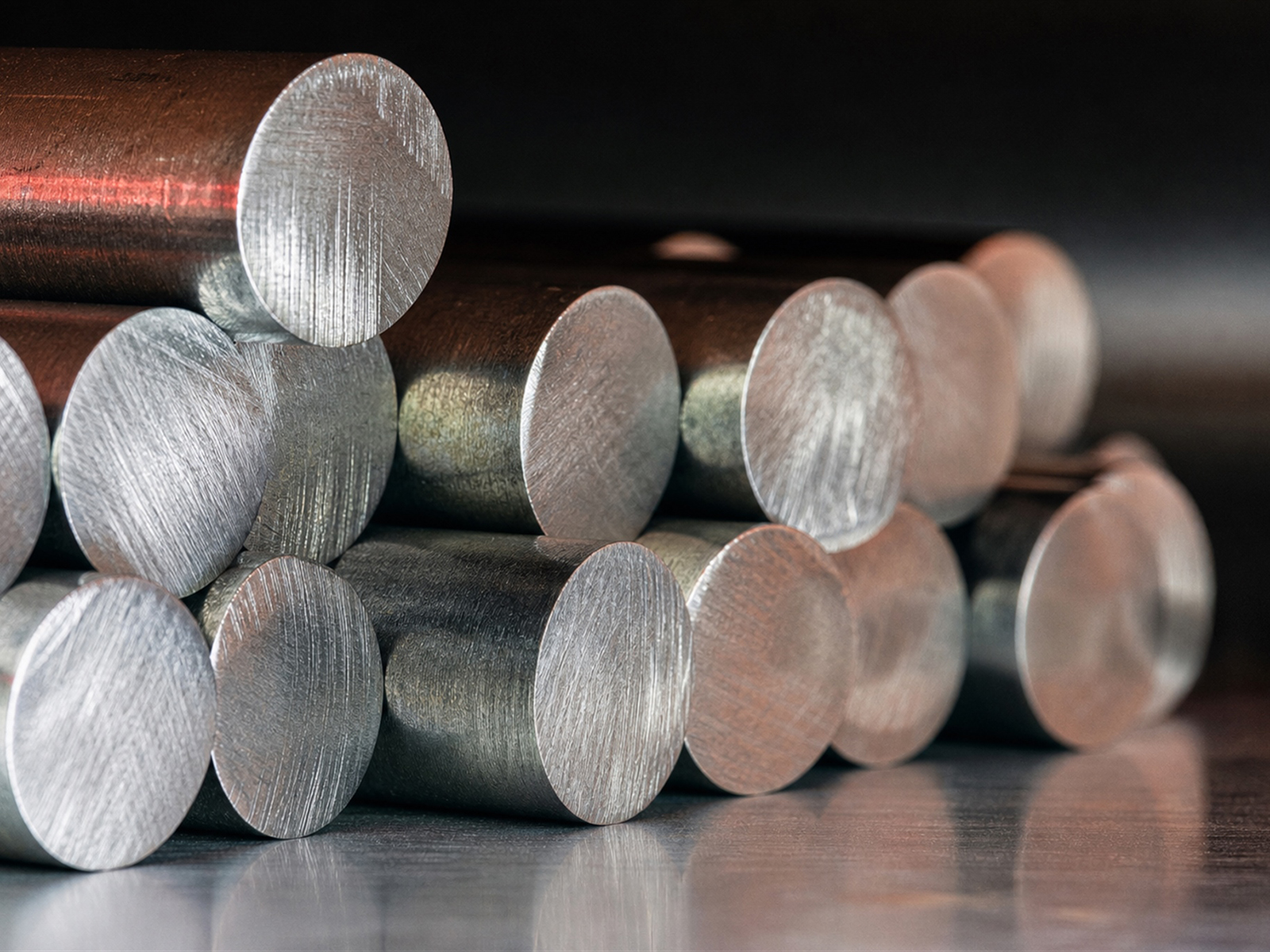
Grade 1 titanium bar may be evaluated as starting material for an orthopedic device. The material grade and its certificate are inputs to the device design; they do not by themselves establish implant safety, fatigue life, clinical outcomes or authorization for use.
Material specification and traceability
ASTM F67 covers Grade 1 unalloyed titanium in specified forms, including bar, for manufacture of surgical implants. The manufacturer and supplier should agree the applicable specification and edition, product form, diameter, condition, traceability and material-test documentation. ASTM B348/B348M covers titanium bars and billets in an industrial specification; an order to that standard is not automatically evidence that the material meets a surgical-implant specification.
Mechanical and surface evaluation
The device designer must define loads, geometry, processing and acceptance criteria. Tensile results alone do not establish fatigue resistance; representative component testing or other applicable evidence is needed for cyclic loading. Machining, surface treatment, cleaning and sterilization can affect the finished device and should be evaluated through the device’s validated processes.
Biological and clinical boundaries
Biological response depends on the finished device, its contact type and duration, manufacturing residues, surface and intended patient population. A material designation does not guarantee osseointegration, eliminate ion release or predict a clinical outcome. MRI conditions, if relevant, require device-specific assessment and labeling.
Frequently asked questions
Is a material certificate a complete implant safety assessment?
No. It documents agreed material properties for a lot; finished-device performance, biological evaluation and regulatory requirements must be addressed separately.
Can a tensile result predict implant fatigue life?
No. Fatigue depends on cyclic loading, geometry, surface and manufacturing history and must be assessed using appropriate evidence.
For material-standard context, read our ASTM F67 material and documentation guide. The manufacturer must evaluate the finished device separately.
Explore the titanium rod category or request a quotation with the drawing, required material specification, inspection and documentation.
Published by: Titanium Valleys
Technical review: General Manager of the Production Department
Quality review: Quality Inspection Department
Last reviewed: October 20, 2026 (before the latest content update; the updated content is pending review).