
How Should Grade 5 Titanium Rod Be Selected for Industrial Applications?
- Gr5 Titanium rod
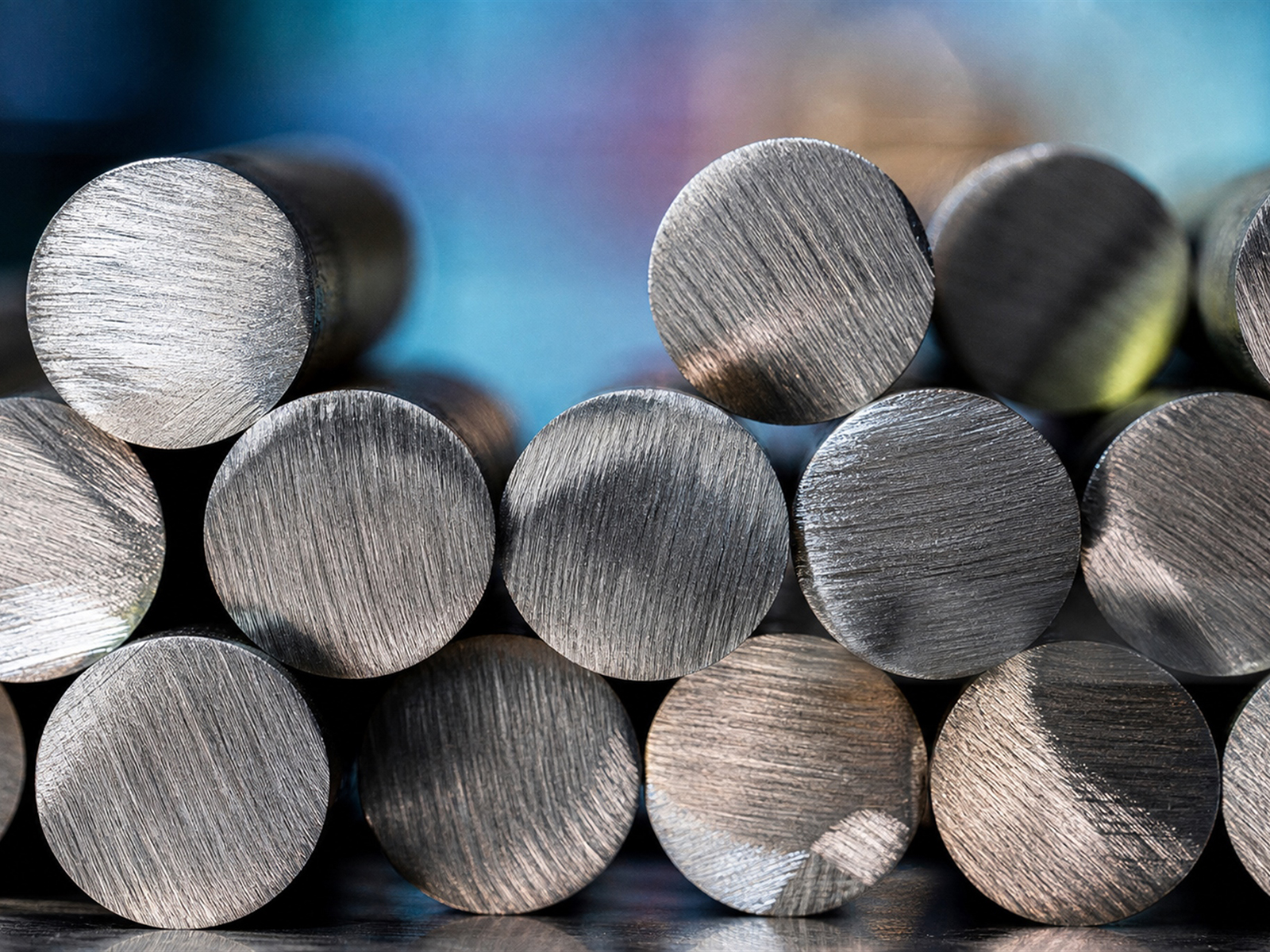
Grade 5 titanium rod, commonly identified as Ti-6Al-4V, may be considered for industrial components where strength and weight are important. Its suitability depends on the specified material condition, dimensions, fabrication, load and operating environment. A grade name alone does not establish a service temperature, fatigue life or corrosion allowance.
Identify the bar and specification
Start with the grade, form, diameter or section, length, dimensional tolerances and delivery condition. ASTM B348/B348M covers titanium and titanium alloy bars and billets, including Grade 5, within its stated scope. State the agreed edition and any supplementary requirements. A medical or aerospace project may require a different or additional specification; do not assume an industrial certificate automatically satisfies it.
Grade 5 and Grade 5 ELI are distinct specifications or designations for procurement purposes. The device manufacturer and purchaser must identify the exact material requirements rather than treating the designations as interchangeable.
Evaluate properties for the component
| Requirement | How to assess it |
|---|---|
| Strength and ductility | Review the agreed specification, material condition and lot test results. |
| Elevated temperature | Evaluate temperature, duration, loads and property data relevant to the actual condition. |
| Fatigue | Consider cyclic loads, geometry, surface, processing and representative testing. |
| Corrosion | Evaluate the actual medium, temperature, contamination and component geometry. |
Values obtained from another lot, form or heat treatment cannot automatically be applied to the ordered bar. A tensile result does not establish fatigue life, and a general corrosion description does not guarantee freedom from failure.
Processing, inspection and documentation
Agree the delivery condition, surface finish, machining allowance and relevant heat treatment with the supplier. Cutting, machining and welding procedures should be selected for the equipment and component requirements; production parameters are not universal. If nondestructive inspection or special surface requirements are needed, specify the method, extent and acceptance criteria in the order.
For incoming inspection, compare identification, dimensions and condition with the purchase order and check agreed certificate information, including traceability and reported tests. Availability, tolerances and lead time should be confirmed for the particular order.
Medical and aerospace uses
In aerospace service, the design authority determines the applicable material, processing and component qualification requirements. For medical devices, the manufacturer must separately evaluate the finished device, its biological safety and the applicable regulatory requirements. Material grade or certification does not guarantee osseointegration, clinical outcomes or MRI safety.
Frequently asked questions
Can an industrial Grade 5 certificate approve an implant?
No. The manufacturer must confirm the specified medical material and complete the finished-device assessment.
Can a fixed fatigue life be assigned from the grade?
No. Establish the relevant load, geometry, processing and supporting test evidence for the component.
Explore the titanium rod category or request a quotation with the drawing, material specification and documentation requirements.
Published by: Titanium Valleys
Technical review: General Manager of the Production Department
Quality review: Quality Inspection Department
Last reviewed: October 20, 2026 (before the latest content update; the updated content is pending review).