
Grade 4 Titanium Rod: Tensile Properties, Fatigue and Applications
- Gr4 Titanium Rod
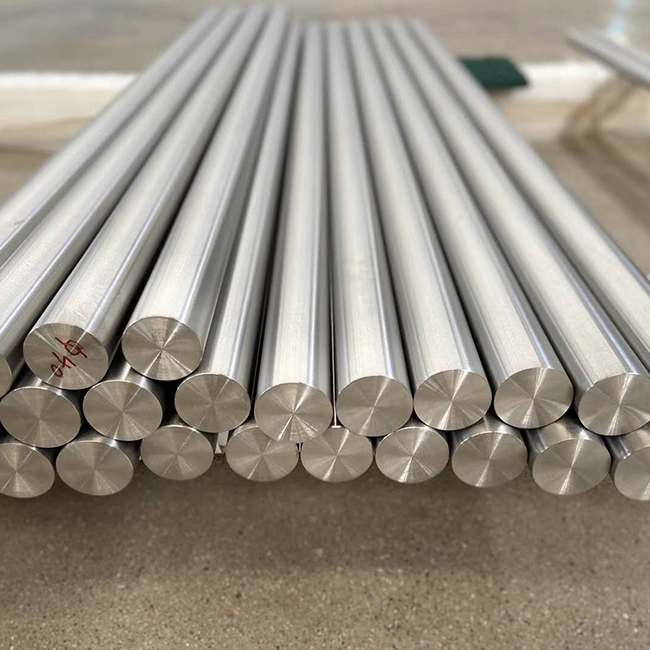
Grade 4 titanium rod may be considered when a design calls for an unalloyed titanium grade and specified mechanical properties. Tensile strength, fatigue resistance and corrosion behavior must be assessed for the actual material condition, product and service environment. None of these properties alone guarantees component reliability.
Grade and material specification
Grade 4 is designated UNS R50700. ASTM B348/B348M covers annealed titanium bars and billets, including Grade 4, within its scope. Specify the applicable edition, bar dimensions and condition in the order. Review the agreed chemical and mechanical acceptance requirements and the certificate for the supplied lot rather than treating a single numerical value as applicable to all products and conditions.
For medical implant manufacture, confirm the required material specification separately. An industrial bar certificate does not by itself establish a finished device’s biological safety, clinical performance or regulatory authorization.
Tensile strength and ductility
Tensile strength, yield strength and elongation describe different responses in a defined tensile test. Review test method, specimen orientation, dimensions and condition along with the result. A tensile value is useful for material acceptance, but it does not establish fracture toughness, wear resistance or a safe load for a particular component.
Fatigue and service temperature
Fatigue depends on cyclic stress, mean load, geometry, surface, processing and environment. Compare results only when the test procedures and specimens are relevant to the component; do not assume a guaranteed number of cycles from the grade. For low- or high-temperature service, assess the actual load, duration and available data for the specified condition. Titanium grade alone does not eliminate the risk of brittle fracture at low temperature or establish a universal upper service temperature.
| Requirement | Evidence to review |
|---|---|
| Tensile acceptance | Agreed specification, material condition and reported lot tests. |
| Fatigue | Test specimen or part geometry, loading history, surface and environment. |
| Temperature | Relevant property data at the intended temperature and duration. |
| Corrosion | Medium, concentration, contamination, temperature and component details. |
Ordering a rod
Provide diameter, length, tolerance, straightness, surface condition, intended processing, required standard and edition, inspection and traceability. Agree any additional tests and acceptance criteria before purchase. For grade-level background, read our Grade 4 titanium overview.
Frequently asked questions
Does a tensile result establish fatigue life?
No. Fatigue requires separate assessment under appropriate cyclic loading.
Can Grade 4 be used at any cryogenic temperature?
The designer must assess the specific material, temperature and component rather than assume universal suitability.
Explore the titanium rod category or request a quotation with the drawing, grade, dimensions and required documentation.
Published by: Titanium Valleys
Technical review: General Manager of the Production Department
Quality review: Quality Inspection Department
Last reviewed: October 20, 2026 (before the latest content update; the updated content is pending review).