
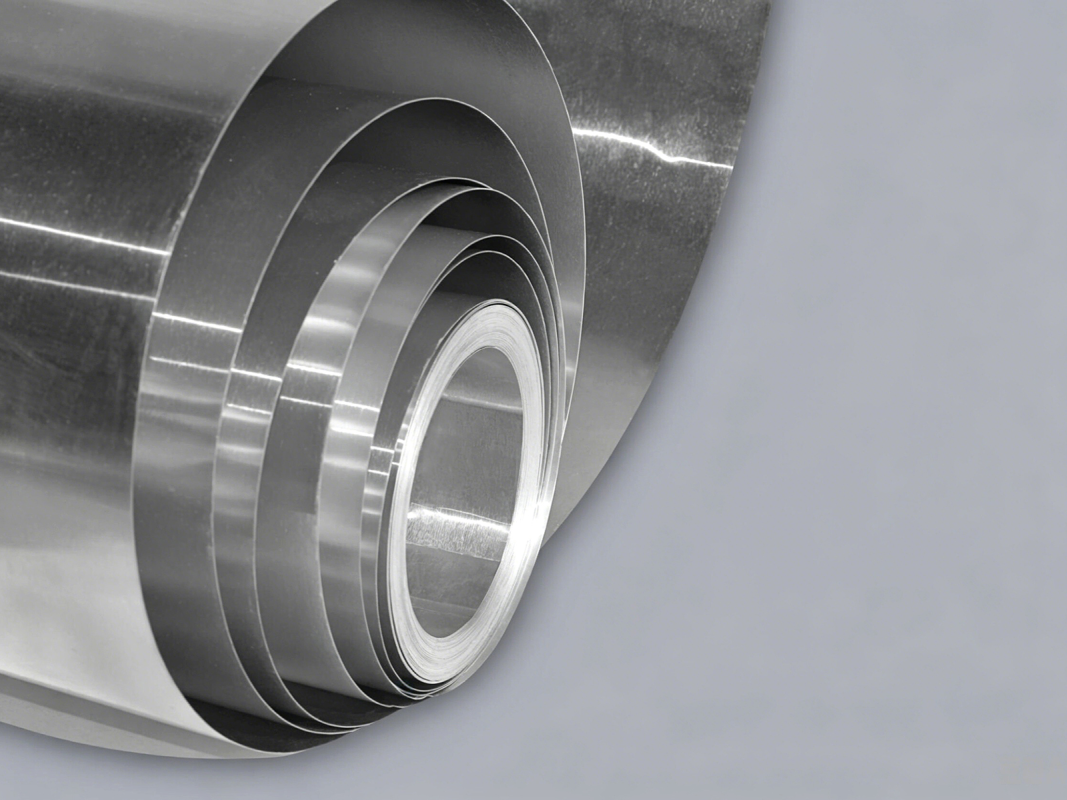
Why Do Engineers Choose Grade 4 Titanium Foil for Critical Components?

When engineers face application scenarios with high loads, strong corrosion, or extremely high safet...
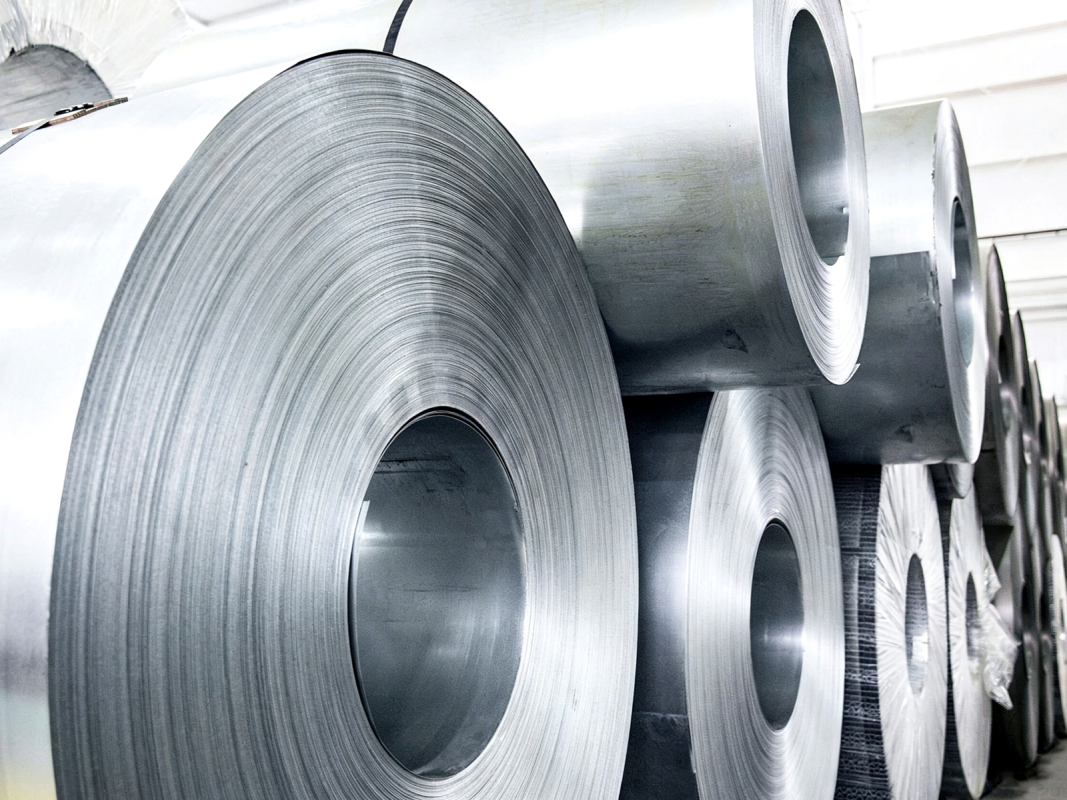
How Is Grade 4 Titanium Foil Used in Semiconductor Manufacturing?
Semiconductor manufacturing imposes stringent requirements on material purity, stability, and corros...
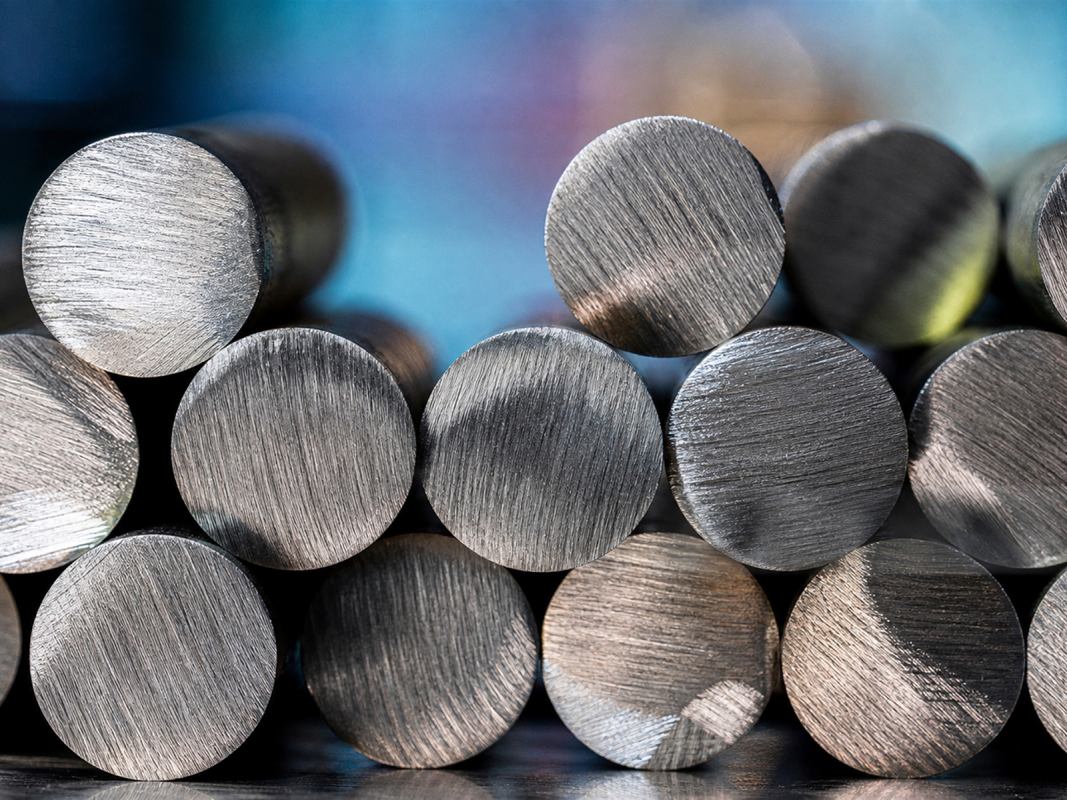
How to Customize High-precision Gr1 Titanium Rods According to Your Engineering Blueprint?
When your engineering project requires high-precision Gr1 titanium rods, the key is to translate tec...
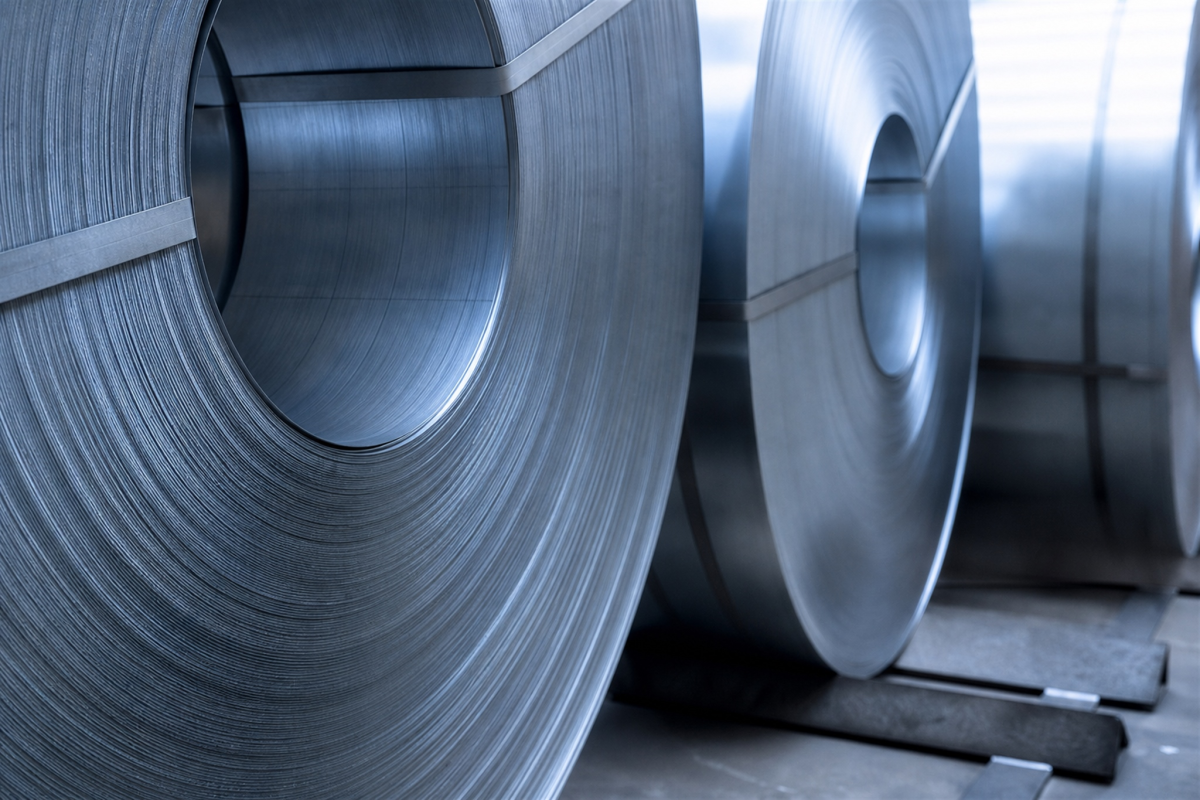
Why Is UNS R60702 Foil Considered a Premium Corrosion-resistant Material?
In modern industry, equipment is exposed to strong acid, high temperature and complex chemical envir...
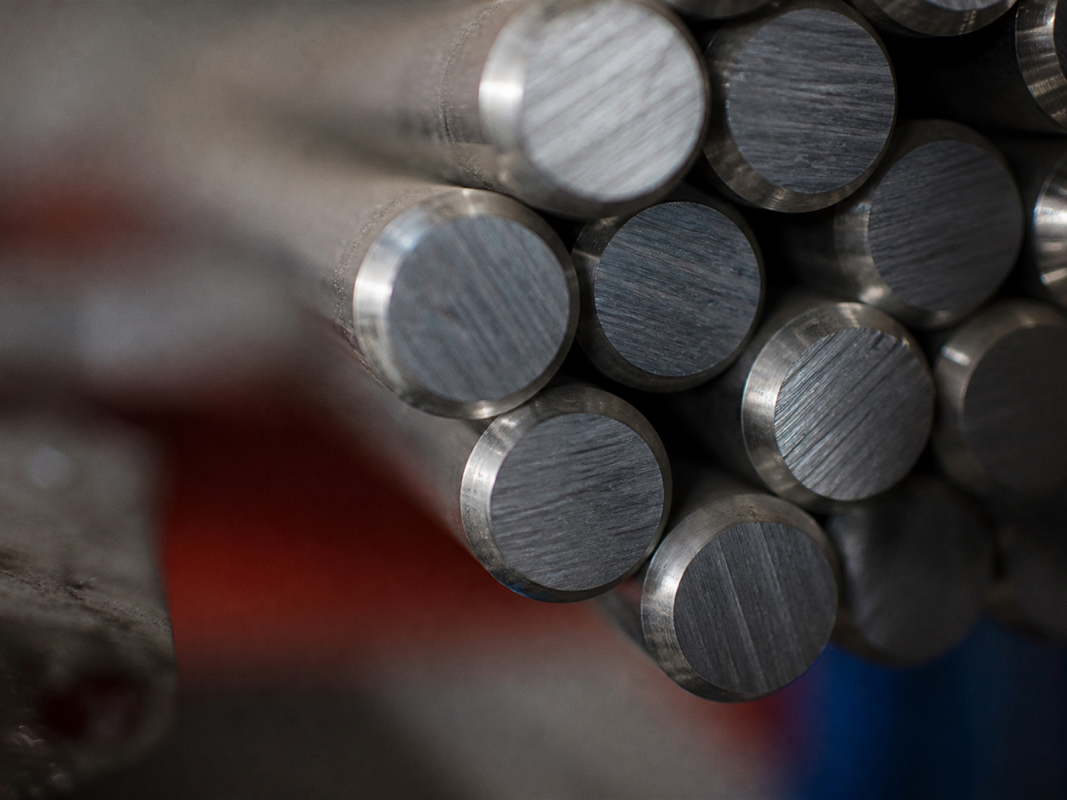
Why Is Gr1 Titanium Rod the Best Solution for Handling Strongly Reducing Acidic Media?
In the fields of chemical industry, pharmaceuticals and hydrometallurgy, the treatment of strongly r...
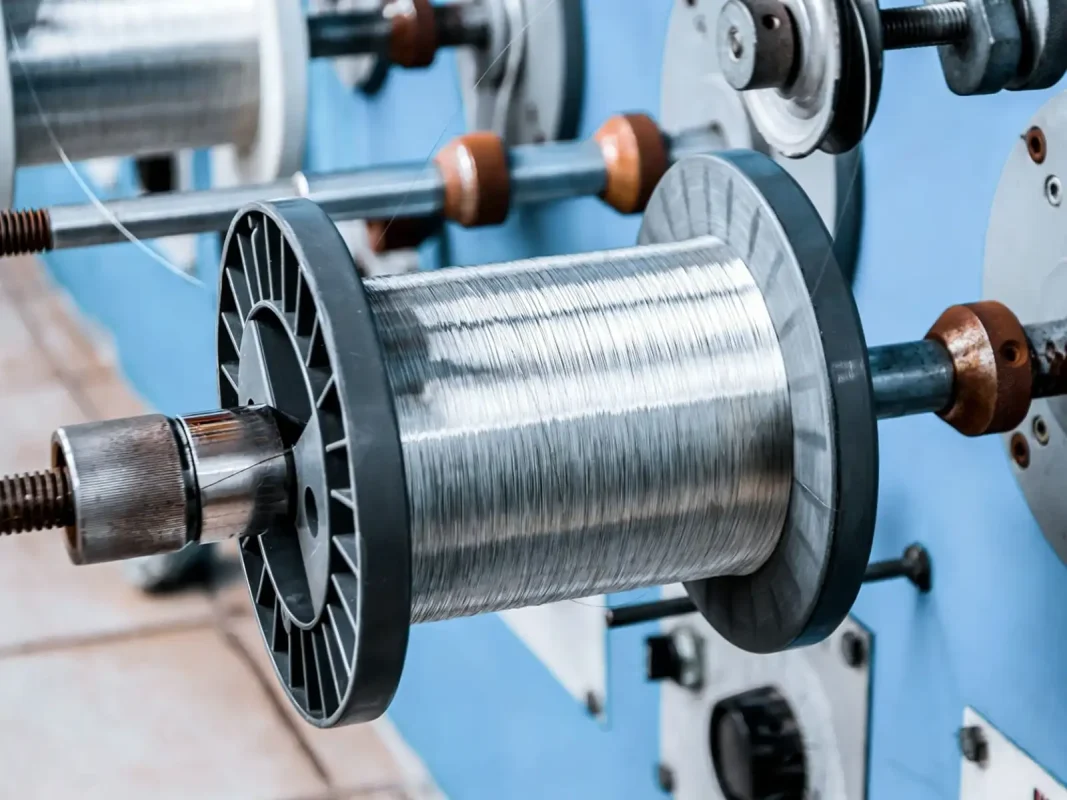
Oxidation of Grade 1 Titanium Wire: Surface and Processing
Grade 1 titanium wire can form a surface oxide when exposed to air or other environments. The e...
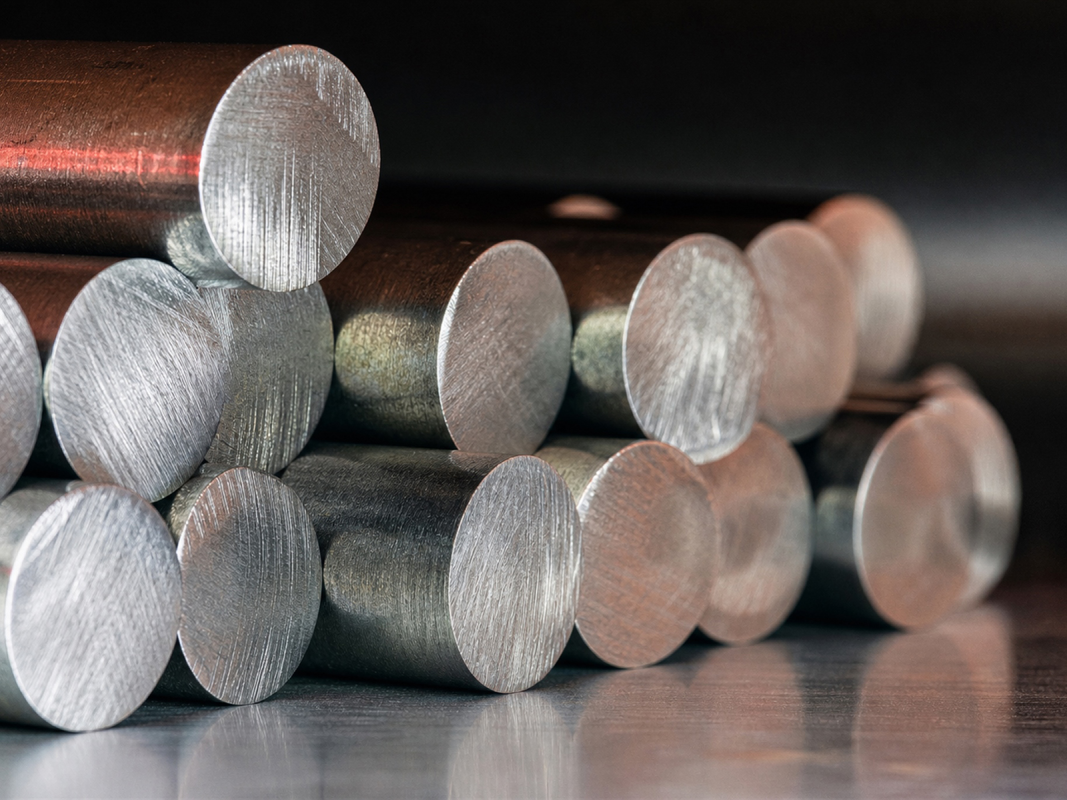
What Is the Impact Toughness of Gr12 Titanium Rod?
Impact-toughness questions for Grade 12 titanium rod. Whether an impact test is useful depends ...
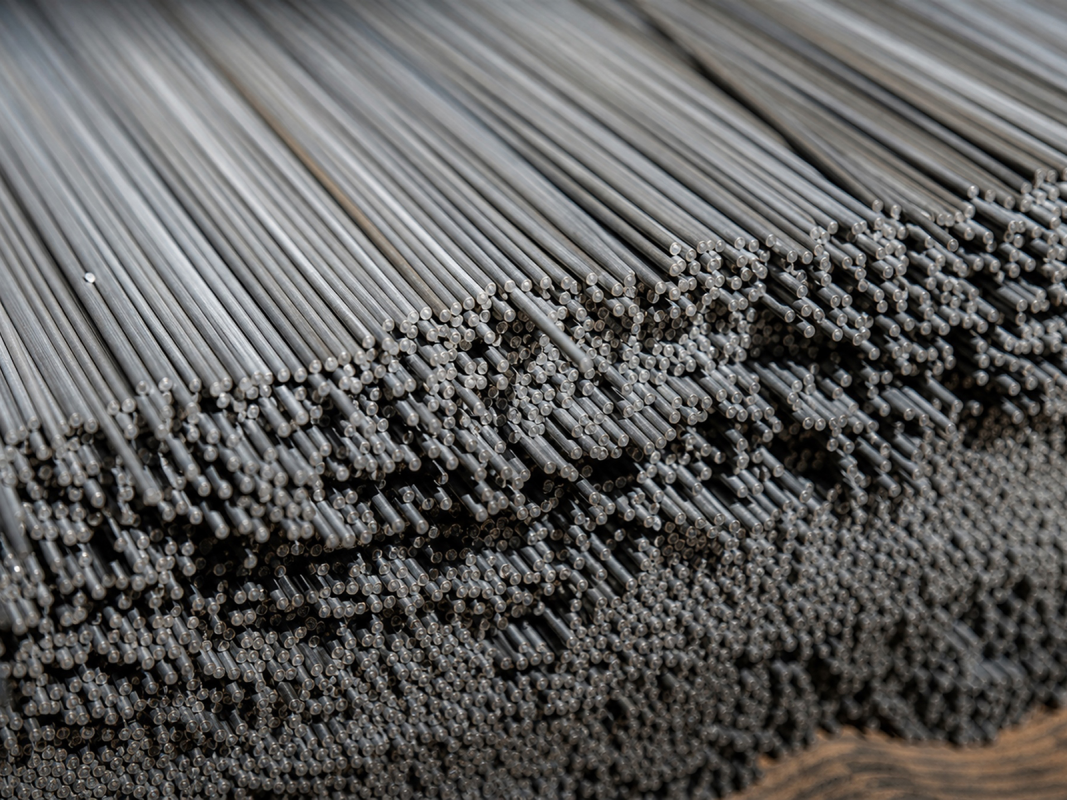
What Is the Diameter Tolerance of Gr12 Titanium Rod?
The diameter tolerance standards of Gr12 titanium rods mainly follow the requirements of ASTM B348 s...
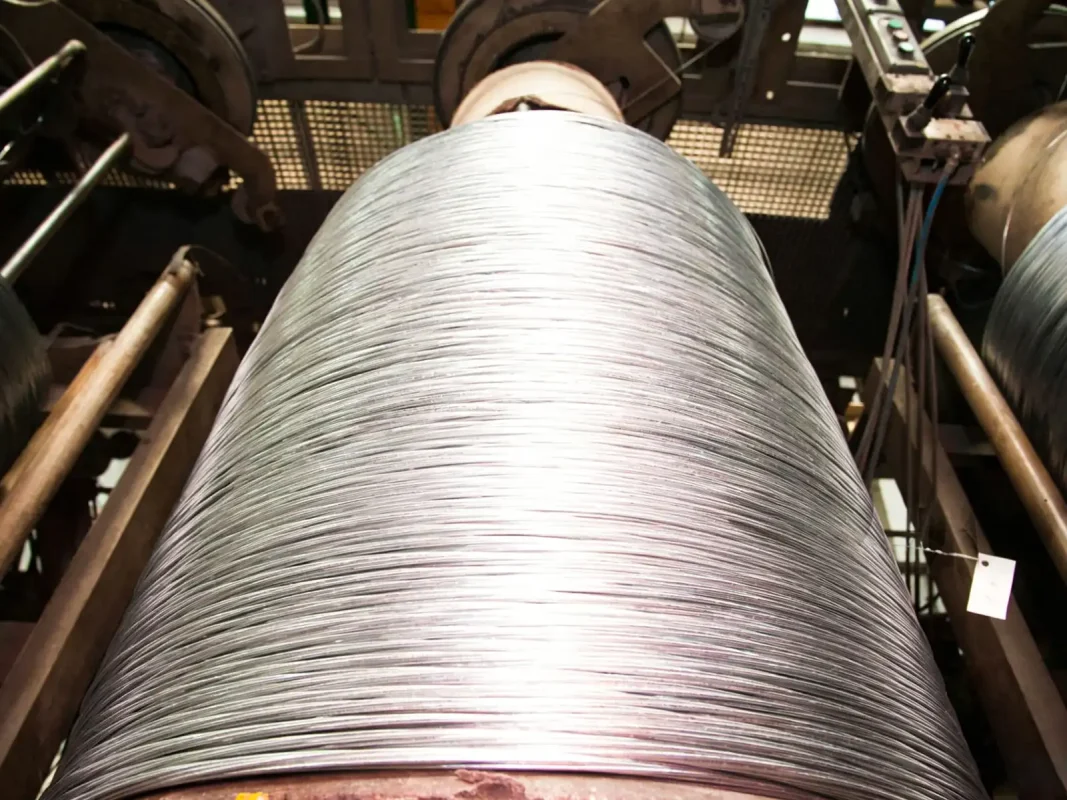
How Is Practical Application Scenarios of Gr12 Titanium Wire in Industry?
Gr12 titanium wire in industrial applications. Grade 12 wire can be screened for a defined indu...
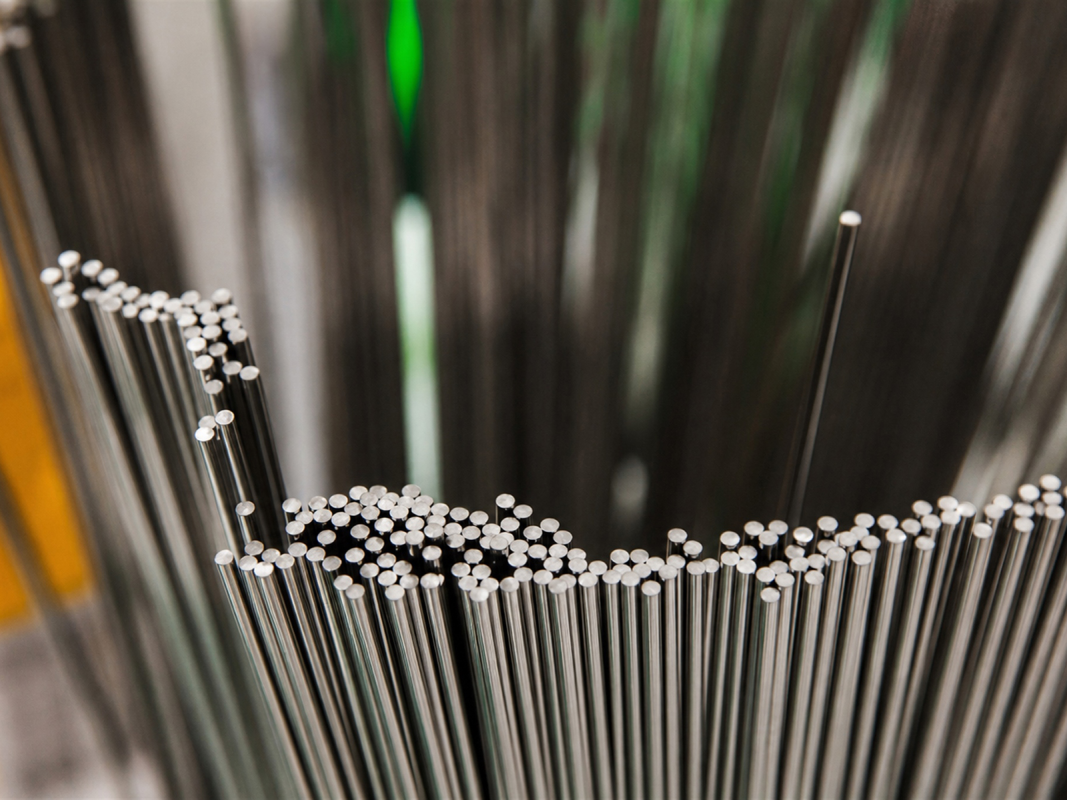
What Are the Common Diameter Specifications of Gr1 Titanium Rods?
Gr1 titanium rod, as the purest material among industrial pure titanium, provides a variety of diame...