
Zirconium 702 Plate: Service Review and Fabrication
- Zirconium 702 Plate
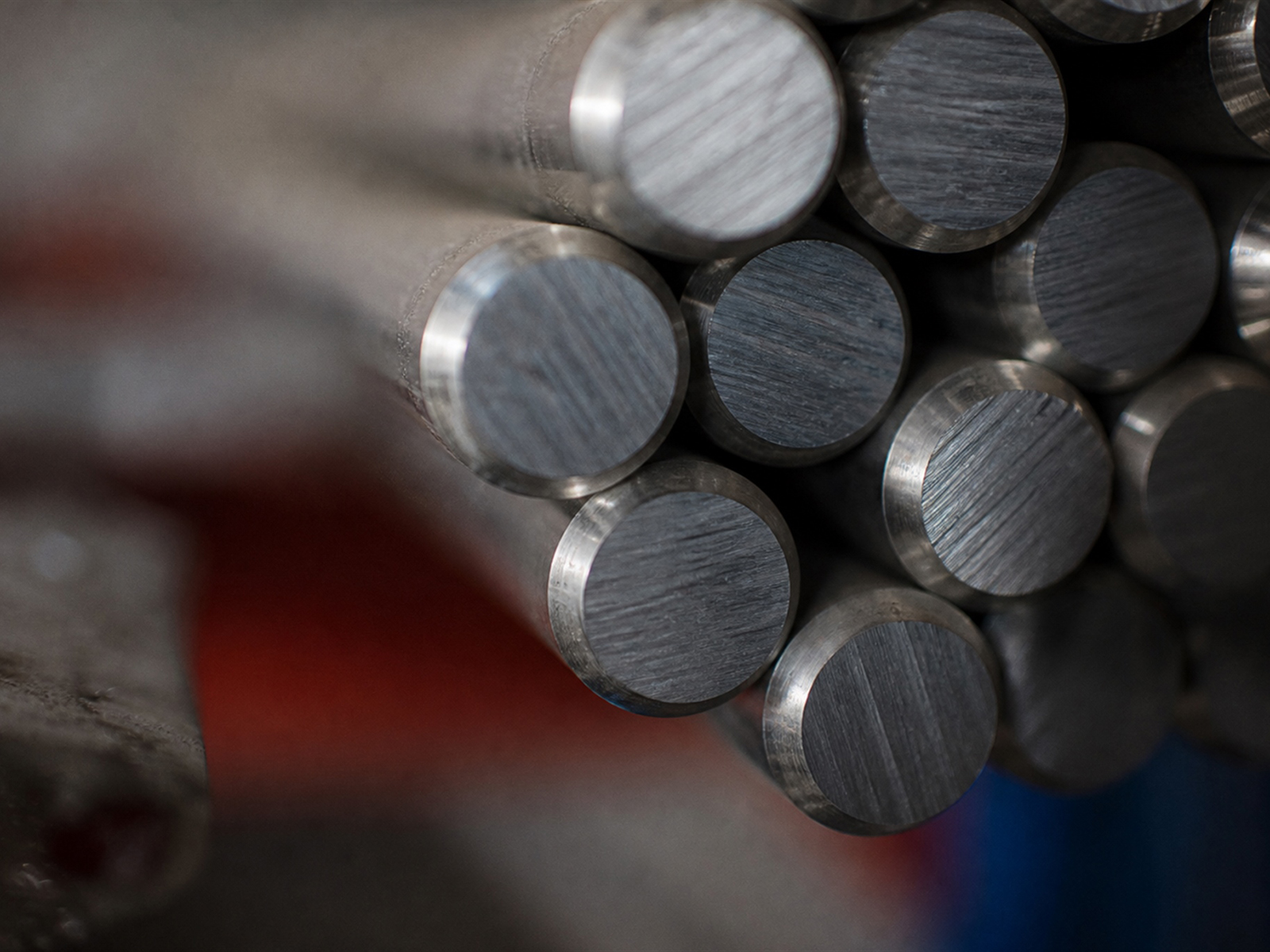
Zirconium 702 plate is commercially pure zirconium flat stock for specified fabrication and service conditions. Review the process environment and design requirements together with grade, plate condition and inspection needs.
1. Selection and Acceptance Decisions
- Describe the fluid, concentration, temperature, contaminants, cleaning and upset conditions when reviewing suitability.
- Provide the finished component and weld details so the plate and fabrication requirements can be reviewed together.
- Specify plate dimensions, surface acceptance, marking and required test reports before comparing a quotation with another material.
Send a specification for this material with the grade, dimensions, quantity, intended use and the acceptance details listed above. Ask for confirmation of the quoted size, condition and documentation.
2. Chemical Composition
Element | Limit (%) |
Zr + Hf | ≥ 99.2 |
Hf | ≤ 4.5 |
Fe + Cr | ≤ 0.20 |
Oxygen (O) | ≤ 0.16 |
Nitrogen (N) | ≤ 0.025 |
Carbon (C) | ≤ 0.05 |
Hydrogen (H) | ≤ 0.005 |
Table 1 — Zr702 composition per ASTM B551 (confirm against the contracted edition).
3. Mechanical and Physical Properties
Property | Value |
Tensile strength (min, annealed) | ≥ 379 MPa (55 ksi) |
Yield strength (min) | ≥ 207 MPa (30 ksi) |
Elongation (min) | 16% |
Density | 6.51 g/cm³ |
Melting point | ≈ 1852℃ |
Magnetism | Non-magnetic |
Table 2 — Annealed properties per ASTM B551 and typical physical data.
4. The Corrosion Logic
Zirconium’s ZrO₂ film is stable in non-fluoride reducing environments: hydrochloric acid over a wide concentration-temperature range, dilute-to-mid sulfuric acid, organic acids and mixed-acid systems — the services where titanium activates and corrodes. The boundaries are equally clear: hydrofluoric acid and fluoride-containing media attack zirconium, strongly oxidizing acidic mixtures with oxidizing salts (ferric/cupric chloride class) need evaluation, and hot high-concentration sulfuric acid follows iso-corrosion curves rather than blanket immunity. In oxidizing acids and neutral chloride service, titanium is usually the cheaper, lighter answer.
Applications
- Chemical reactors and vessels — HCl synthesis, pickling tanks, acid storage;
- Heat exchangers and condensers — acid-side tube sheets and shells;
- Desalination and brine service — corrosion-proof structural plate;
- Hydrometallurgy — leaching and solvent-extraction equipment in acid duty.
5. Welding and Fabrication
Zr702 plate welds with TIG or electron-beam under inert-gas shielding; joint cleanliness and hydrogen discipline decide weld quality, and heavy-section fabrications typically receive stress relief. Machining and forming follow zirconium’s low thermal conductivity — plan coolant and sharp tooling as for titanium. Custom size, condition, tolerance and documentation can be reviewed to the purchase specification.
FAQ
(1) Why choose zirconium plate instead of titanium plate?
In reducing acids — hydrochloric, hot sulfuric, organic acid mixtures — titanium’s passive film fails while zirconium’s ZrO₂ film holds. In oxidizing acids and neutral chloride service, titanium is normally the lighter and cheaper choice.
(2) Is Zr702 plate corrosion-proof in all acids?
No — hydrofluoric acid and fluoride-containing media attack zirconium, and strongly oxidizing acidic mixtures require evaluation. Always confirm against the actual medium, concentration and temperature.
(3) Can Zr702 plate be welded?
Yes — TIG or electron-beam under inert-gas shielding with rigorous cleanliness; weld quality is a hydrogen and oxidation discipline.
(4) What is the difference between Zr702 and Zr705 plate?
Zr705 (Zr-2.5Nb) adds about 2.5% niobium: tensile minimum rises to ≥ 552 MPa (from ≥ 379 MPa) — about 45% stronger — with similar elongation, for stressed or higher-temperature corrosion parts.
(5) Which standard governs Zr702 plate?
ASTM B551/B551M (ASME SB-551 practice for pressure equipment), with GB/T 21183 in the Chinese system.
Related Resources and Inquiry
See the zirconium plate category or send your specification for a Zr702 plate quote.
Baoji Titanium Valley Titanium Nickel Zirconium Material Processing Co., Ltd. produces zirconium foil, strip, sheet and plate per ASTM B551/B551M (R60702 / R60705) from vacuum-melted ingots on a 750 mm 20-high precision rolling line under ISO 9001 / ISO 13485. Send your specification to sales@titaniumvalleys.com — Custom size, condition, tolerance and documentation can be reviewed to the purchase specification.
6. Related Reading
- Pure Zirconium Plate: Chemistry and Purchase Acceptance
- Zirconium 705 Plate: Comparing Strength and Fabrication Needs
References
1. ASTM B551/B551M, Standard Specification for Zirconium and Zirconium Alloy Strip, Sheet, and Plate.
2. ASTM E8/E8M, Standard Test Methods for Tension Testing of Metallic Materials.
3. GB/T 21183, Zirconium and Zirconium Alloy Sheet, Strip and Foil.
This article is a technical reference. It does not constitute a commercial offer; dimensions, tolerances and documentation are confirmed at order review.
Published by: Titanium Valley Technical Team. Technical and quality review: pending.