
What Is Gr5 Titanium Wire? A Comprehensive Buyer’s Guide
- Gr5 titanium wire
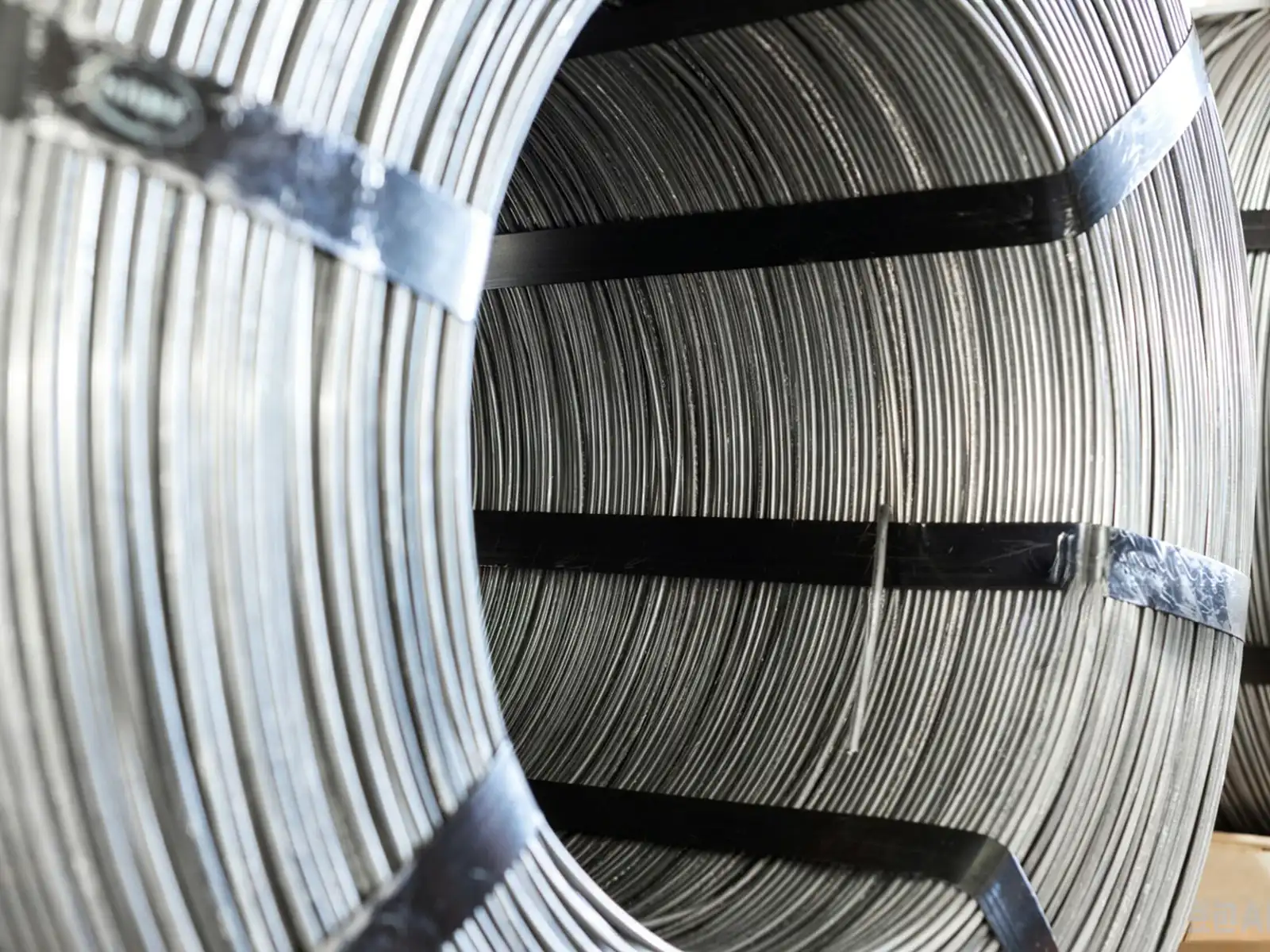
Direct engineering answer. Gr5 titanium wire should be evaluated against the finished component, product form, governing specification, downstream process and acceptance evidence. A general property value is an orientation tool; the released drawing, current certificate and inspection plan control the final decision.
Gr5 titanium wire, namely Ti-6Al-4V alloy wire, is one of the most widely used α+β duplex titanium alloy wires in the world. It is composed of titanium, aluminum (5.5%–6.75%), vanadium (3.5%–4.5%), and trace iron, oxygen, carbon, and other elements, with a density of approximately 4.43 g/cm³, about 56% of the density of steel, yet it delivers far higher strength than commercially pure titanium. Gr5 titanium wire plays an important role in applications ranging from aero-engine casing welding and deep-sea equipment fasteners to medical springs and precision electronic components. For buyers from high-end manufacturing markets such as the United States, Germany, Japan, and South Korea, truly understanding the performance logic and key purchasing points of this material is the way to avoid substantial trial-and-error costs in the early stages of a project.
1. Core Properties and Engineering Value of Gr5 Titanium Wire
(1) Alloy Composition Determines the Performance Ceiling
The alloying logic of Ti-6Al-4V is clear: aluminum, as an α-phase stabilizer, enhances high-temperature strength and rigidity; vanadium, as a β-phase stabilizer, improves room-temperature toughness and working plasticity. Their combined effect enables Gr5 titanium wire to maintain stable mechanical properties from room temperature up to 350℃, which is the core difference that commercially pure titanium wire (Gr1/Gr2) cannot achieve.
Gr5 Titanium Wire Chemical Composition Reference Table
Element | Standard Range | Function Description |
Ti | Balance | Base element |
Al | 5.5%–6.75% | Stabilizes α phase, improves strength |
V | 3.5%–4.5% | Stabilizes β phase, improves toughness |
Fe | ≤ 0.30% | Substitutional element/β stabilizer, must be controlled |
O | ≤ 0.20% | Interstitial element, affects plasticity, must be limited |
N | ≤ 0.05% | Interstitial element, increases strength but reduces plasticity |
C | ≤ 0.08% | Interstitial element, must be controlled |
H | ≤ 0.015% | Interstitial element, key parameter for preventing hydrogen embrittlement |
The strict control of hydrogen content (≤0.015%) is not an unnecessary technical gimmick. Hydrogen embrittlement is the most common hidden failure trigger for titanium alloy wire after pickling or electrochemical processes; once the content exceeds the limit, elastic elements or fasteners may fracture without warning during service.
(2) Mechanical Properties: The Art of Balancing Strength and Toughness
Gr5 titanium wire typically has a tensile strength in the 895–1000 MPa range, a yield strength not less than 828 MPa, and elongation ≥10%. Its elastic modulus is approximately 110 GPa, between that of steel (200 GPa) and commercially pure titanium (100 GPa); its relatively high yield strength-to-elastic modulus ratio (σ_y/E) provides excellent elastic recovery capability, giving it a natural advantage in precision springs and elastic structural components. At the same time, Gr5 titanium wire generally does not embrittle at cryogenic temperatures down to -196℃, which is critical for applications such as liquid nitrogen piping sealing springs and low-temperature aerospace fasteners.
(3) Corrosion Resistance: Evaluation Based on Actual Media Conditions
A dense TiO₂ oxide film forms spontaneously on the surface of Gr5 titanium wire, typically providing good corrosion resistance in seawater, oxidizing acids, neutral salt solutions, and chloride-containing environments, outperforming 316L stainless steel. However, in strongly reducing acids such as hydrochloric acid, sulfuric acid, and hydrofluoric acid, or in fluoride-containing media, the oxide film may be destroyed and corrosion resistance drops significantly, so it cannot be broadly claimed to suit all media across pH 2–14. Buyers of deep-sea equipment, chemical reactors, and offshore oil and gas platform components should evaluate corrosion behavior according to the actual media, temperature, concentration, and flow rate, and make an integrated judgment of service life and maintenance frequency.
2. Gr5 Titanium Wire Specification System and Key Purchasing Parameters
(1) Dimensional Specifications: From Ultra-Fine Wire to Engineering-Grade Coarse Wire
Gr5 Titanium Wire Specification Quick Reference Table
Parameter | Typical Range | Remarks |
Diameter | φ0.1–φ10.0 mm | Non-standard specifications can be customized |
Dimensional tolerance | Segmented by wire diameter; fine wire down to ±0.01 mm; coarse wire generally ±0.03–0.05 mm | Per standard or agreement |
Straightness | ≤ 2 mm/m (≤0.2%) | Compatible with automated feeding |
Coil length | Fine wire (≤1.0 mm) commonly 500–3000 m/coil; coarse wire (≥3.0 mm) usually tens to hundreds of meters/coil | Calculated by diameter and weight |
Straight length | 500–3000 mm | Can be customized as required |
Ultra-fine specifications such as φ0.1 mm are mainly intended for precision medical devices and consumer electronics; coarse wire of φ6.0–φ10.0 mm is used more for high-end fastener blanks and aerospace structural welding.
(2) Surface Condition: Different Service Conditions Call for Different Treatments
The surface condition of Gr5 titanium wire directly affects weld quality, component fit accuracy, and subsequent coating adhesion. Common surface conditions include: pickled (oxide scale removed, suitable for welding wire), bright (cold-drawn and polished, suitable for precision springs), polished (mirror finish, suitable for medical devices and consumer electronics), and anodized (for decorative color or insulation requirements). Buyers should specify surface roughness requirements (Ra values) when placing orders to avoid rework in downstream processes caused by mismatched surface conditions.
(3) Governing Standards: Internationally Recognized Certification Systems
The mainstream international standards covering Gr5 titanium wire include ASTM B863 (wire), AWS A5.16 (welding filler metal), relevant AMS aerospace material specifications, and equivalent designations UNS R56400 and DIN 3.7165. For North American aerospace, AMS specifications are usually an important threshold in supplier qualification reviews; for medical devices, standards such as ASTM F136 (Ti-6Al-4V ELI) are more common. For the German high-end manufacturing market, an EN 10204 3.1 material certificate is typically the common document for delivery acceptance, with specific requirements as stated in the contract.
3. Typical Applications of Gr5 Titanium Wire and Purchasing Reference
(1) Aerospace and High-End Transportation: Weight Reduction Without Sacrificing Performance
Gr5 titanium wire is widely used as welding filler metal for aero-engine casings, pressure vessels, and hydraulic piping systems, and also serves as high-performance fastener blanks. Its specific strength (strength/density) advantage can reduce structural component weight by 30%–40% while meeting strength requirements, directly affecting aircraft fuel efficiency and payload.
(2) Chemical and Marine Engineering: Long-Term Reliable Service Depends on Service Conditions
In chemical media with high chloride ion concentrations and significant pH fluctuations, Gr5 titanium wire, as welding filler metal, is widely used in the manufacture and repair of chemical equipment, pumps and valves, and heat exchanger components; the fasteners, elastic components, and welded joints made from it typically exhibit good pitting and crevice corrosion resistance. Compared with duplex stainless steel, Gr5 titanium alloy often provides a longer service life in specific high-chloride, acidic conditions, but the actual life must be evaluated according to media, temperature, chloride ion concentration, and stress state, and fixed service years should not be given in general terms. Deep-sea equipment mainly exploits Gr5 titanium alloy’s high specific strength, seawater corrosion resistance, and pressure fatigue performance, rather than relying solely on low-temperature toughness.
(3) Medical Devices and Precision Electronics: Safety and Precision Both Up to Standard
Gr5 Titanium Wire Typical Application Comparison Table
Application Field | Typical Products | Key Performance Requirements |
Aerospace | Welding wire, fastener blanks | High strength, AMS specifications |
Chemical/marine | Welding wire, fasteners, elastic components, welded joints | Corrosion resistance, high specific strength |
Medical devices | Surgical instruments, orthopedic tools | Non-magnetic, non-toxic, clean surface |
Precision electronics | Springs, elastic contacts | High precision, good resilience |
Luxury/consumer goods | Watch parts, eyeglass frames | Polished surface, wear resistance |
The non-magnetic (non-ferromagnetic) character and biocompatibility of Gr5 titanium wire give it a clear advantage in MRI-compatible surgical instruments and precision elastic components for consumer electronics. Buyers in Japan’s precision electronics and South Korea’s battery industries are particularly concerned with the batch-to-batch consistency of wire diameter tolerances, which directly determines the yield of automated assembly lines.
4. Production Process of Gr5 Titanium Wire: The Quality Control Chain From Rod Billet to Finished Product
(1) Multi-Pass Cold Drawing: Simultaneous Improvement of Strength and Accuracy
The core manufacturing process for Gr5 titanium wire is: rod billet inspection → peeling/pickling → multi-pass cold drawing (including necessary intermediate annealing) → final annealing → pickling/polishing → precision straightening → non-destructive testing → vacuum packaging. Depending on cumulative reduction, work hardening level, and wire diameter requirements, necessary intermediate annealing is combined with multi-pass cold drawing to both control work hardening to avoid embrittlement and refine the grain structure to improve fatigue life.
(2) Annealing Process: Key Control for Preventing Oxidation and Hydrogen Embrittlement
Titanium alloys are sensitive to the absorption of oxygen, nitrogen, and hydrogen at high temperatures. For high-end, thin-gauge, or aerospace-grade products, annealing is typically performed in a vacuum or inert atmosphere to reduce oxidation and gas pickup; general industrial products can also be heat-treated in air furnaces, but the oxide scale must then be removed by pickling or other methods. Vacuum annealing helps reduce residual stress and minimize the formation of surface embrittled layers. The control level of this process is one of the key differentiators in whether Gr5 titanium wire can pass high-end certifications such as AMS and ASTM.
(3) Full-Process Online Inspection: Institutional Assurance of Batch Consistency
The quality control system for high-end Gr5 titanium wire should cover: chemical composition testing, mechanical property testing (tensile/yield/elongation), wire diameter accuracy testing (laser gauging), straightness testing, eddy current + ultrasonic non-destructive testing, metallographic analysis, corrosion testing, and surface roughness testing. A gap in any critical link can cause batch-to-batch performance variation, directly affecting project acceptance and subsequent service safety. Taking a representative manufacturer as an example, it employs continuous rolling production lines and online dimensional and surface inspection systems with a relatively high degree of automation, enabling dimensional stability and composition uniformity across large-volume orders. Specific capacity varies by manufacturer and specification, and the supplier’s quality assurance capability should be verified against the specific product requirements during procurement.
5. Key Decision Factors for Purchasing Gr5 Titanium Wire: A Practical Buyer’s Checklist
(1) Certifications and Material Certificates: The First Hurdle in Compliant Procurement
Certification requirements differ significantly across end markets. North American aerospace generally requires relevant AMS certifications and traceable melt batch records; the medical device industry commonly uses standards such as ASTM F136 (Ti-6Al-4V ELI); the German high-end manufacturing market generally requires EN 10204 3.1 inspection certificates; and Japan’s precision electronics market has its own corporate standard requirements for surface cleanliness and trace element control. Buyers should specify the required certification types at the inquiry stage so that suppliers can arrange the corresponding testing resources in advance.
(2) Supplier Evaluation: Five Core Dimensions
When selecting a Gr5 titanium wire supplier, the following five dimensions merit careful review: raw material traceability capability (vacuum melting records), production equipment level (rolling line precision and automation), quality system completeness (coverage of inspection items), customization responsiveness (lead times and sample support for non-standard specifications), and large-batch delivery assurance (annual capacity and inventory management mechanisms).
(3) Procurement Cost Structure: The Correct Way to Calculate Value for Money
The unit price of Gr5 titanium wire is usually higher than that of commercially pure titanium wire (Gr2), but the combined in-service cost is often lower. This is because its longer service life reduces replacement frequency, and its higher reliability lowers downtime and maintenance costs; in welding applications, although commercially pure titanium welding wire usually offers better weldability, Gr5 welding wire provides better strength matching and service performance when matched with Gr5 base metal, and with proper process control can reduce rework. For buyers facing high-pressure, corrosive, combined service conditions, combining the material purchase price with full-lifecycle operating and maintenance costs is the true framework for value-for-money evaluation.
6. Conclusion
Gr5 titanium wire, with its high strength, low density, good corrosion resistance, and matchability, has become an important wire category across multiple industries. The key to the purchasing decision lies in: defining the application service conditions, matching the correct specification and certification standards, and selecting a supplier with full-process quality control capability. Understanding the underlying logic of material performance is an important path to reducing trial-and-error costs and ensuring project delivery quality.
FAQ
(1) Q1: What are the core differences between Gr5 titanium wire and Gr2 commercially pure titanium wire?
Gr5 titanium wire (Ti-6Al-4V) is an alloyed wire with a tensile strength about twice that of Gr2 commercially pure titanium wire or higher, while retaining good corrosion resistance. Gr2 is better suited to applications requiring lower strength and higher formability; Gr5 is the first choice for high-strength combined service conditions.
(2) Q2: When purchasing Gr5 welding wire, which technical parameter requires special attention?
Hydrogen content (H ≤ 0.015%) is the most easily overlooked yet critical parameter in welding wire procurement. Excess hydrogen content causes hydrogen embrittlement in welded joints, leading to delayed fracture under high-stress cyclic service conditions. Be sure to require the supplier to provide per-batch hydrogen content test reports.
(3) Q3: Can Gr5 titanium wire be used for parts of medical implant devices that directly contact the human body?
Gr5 (Ti-6Al-4V) has good biocompatibility, but for implants, the low-interstitial version (Ti-6Al-4V ELI, i.e., Gr23) is typically required to further reduce oxygen, nitrogen, and iron content for better fatigue life and toughness. Standard Gr5 titanium wire can be used directly for non-implant surgical instruments.
Contact Us
Looking for a reliable Gr5 titanium wire manufacturer, supplier, or factory? Titanium Valley offers full-specification customization from φ0.1 mm ultra-fine wire to φ10.0 mm engineering-grade wire, covering ASTM, AMS, and AWS related certifications, with sample testing and batch delivery supported. Please send your inquiry to: sales@titaniumvalleys.com
References
- National Technical Committee on Nonferrous Metals Standardization. GB/T 3620.1—2016 Designation and chemical composition of titanium and titanium alloys [S]. Beijing: China Standards Press, 2016.
- National Technical Committee on Nonferrous Metals Standardization. GB/T 3620.2—2016 Permissible variations in chemical composition for wrought titanium and titanium alloy products [S]. Beijing: China Standards Press, 2016.
- National Technical Committee on Nonferrous Metals Standardization. GB/T 3623—2007 Titanium and titanium alloy wire [S]. Beijing: China Standards Press, 2008.
- Zhang Xiyan, Zhao Yongqing, Bai Chenguang. Titanium Alloys and Applications [M]. Beijing: Chemical Industry Press, 2005.
Engineering specification and verification framework
For Gr5 titanium wire, state grade, ordered product form, condition, nominal dimensions, tolerances, surface requirement, quantity and documentation in one controlled RFQ. The applicable product-form reference is ASTM B863, subject to the current edition and project-specific requirements. When tensile evidence is required, define the test method and sampling basis; ASTM E8/E8M or ISO 6892-1 may apply where consistent with the order.
| RFQ field | Required detail | Reason |
|---|---|---|
| Material identity | Grade, form, ASTM B863, condition | Prevents unintended substitution. |
| Geometry | Nominal size, tolerance, length or coil form | Defines production and inspection scope. |
| Process context | Forming, machining, joining, etching or assembly | Relates supply condition to actual manufacture. |
| Verification | Certificate, dimensional checks, lot identity | Creates a traceable acceptance plan. |
Risk review and incoming control
Common avoidable risks include tolerance stack-up, unclear condition, surface damage, undocumented substitution and loss of lot identity after cutting. At receipt, reconcile the purchase order, packing label and certificate before release to production. Define any supplementary testing, sampling and report format before quotation rather than after shipment.
Technical FAQ
Can catalogue values approve the material?
No. Final approval must use the ordered form, condition, standard, drawing, process route and service boundary.
What should an RFQ include?
Provide the drawing where available, grade and standard, dimensions, tolerance, condition, quantity, process context, service information and documentation requirement.
Product resources and technical quotation
Review the relevant titanium wire product category. For a drawing-based review, request a technical quotation with the full specification.
References and use note
- ASTM B863, applicable edition, for the ordered product form.
- ASTM E8/E8M or ISO 6892-1 where the project specifies tensile verification.
- Project drawing, purchase specification, certificate and agreed inspection plan.
This engineering note supports procurement specification. It does not replace component design validation or the governing contractual standard.