
What Are the Key Advantages of Using ASTM B550 Zirconium Wire in the Chemical Industry?
- ASTM B550 Zirconium Wire
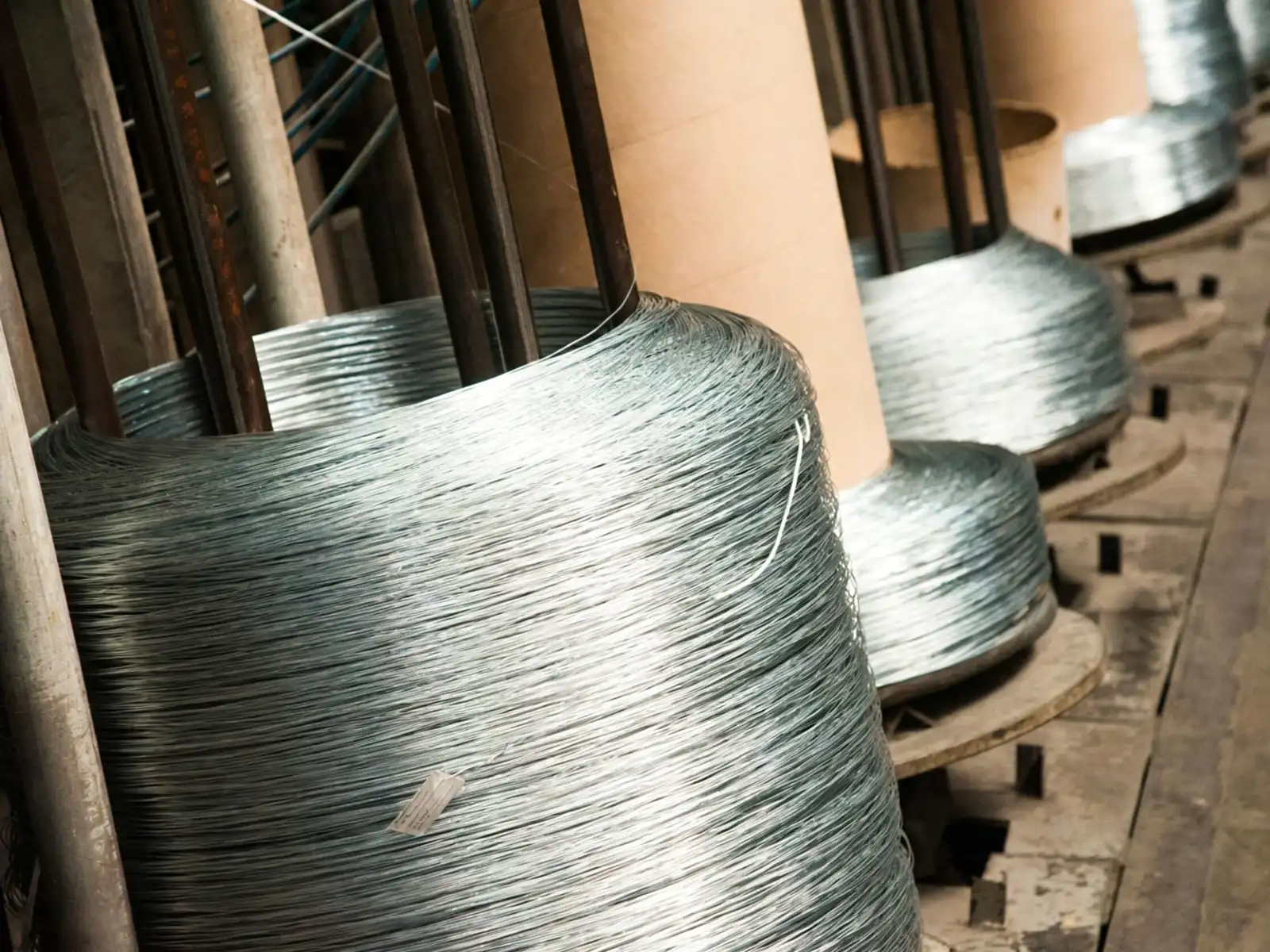
In the chemical industry, the corrosion resistance of materials directly affects equipment service life and production safety. Zirconium and zirconium alloy wire covered by ASTM B550/B550M can provide better corrosion resistance than some stainless steels and titanium alloys in certain reducing acids free of oxidizing impurities and in some chloride solutions. However, zirconium is not a –universal corrosion-resistant material”; its use depends heavily on the type, concentration, and temperature of the medium and on impurity content. This article explains the material system, corrosion resistance mechanisms, typical applications, and key procurement considerations for ASTM B550 zirconium wire, helping engineers judge its suitability more accurately.
1. Material Standard and Grade System of ASTM B550 Zirconium Wire
ASTM B550/B550M is the standard developed by ASTM International for zirconium and zirconium alloy bar and wire and does not cover forged stock; zirconium and zirconium alloy forgings are normally managed under ASTM B493/B493M. The standard covers multiple grades ranging from commercially pure zirconium to zirconium-niobium alloys and provides a regulatory basis for chemical industry material selection with respect to composition, mechanical properties, and other aspects. Understanding the compositional and property differences among the grades is the foundation of correct material selection.
(1) R60702: The Workhorse Grade of Commercially Pure Zirconium
R60702 is the most widely used commercially pure zirconium grade, with a total Zr+Hf content of not less than 99.2% and strictly limited impurity elements. This grade offers good corrosion resistance in media such as hydrochloric acid, sulfuric acid, and acetic acid free of oxidizing impurities, and is suitable for chemical service where strength requirements are not extreme but corrosion resistance is critical.
(2) R60705: High-Strength Zirconium-Niobium Alloy Wire
R60705 (i.e., Zr-2.5Nb) has a niobium content of 2.0%–3.0% and a hafnium content not exceeding 4.5%. ASTM B550 zirconium wire standard also covers the supply requirements for this grade in wire form. The addition of niobium increases the tensile and yield strength of the alloy, making it suitable for components in high-stress, high-pressure equipment. In service conditions where corrosion and mechanical loading act together, R60705 combines structural integrity with corrosion resistance.
(3) R60704: A Balanced Choice for Moderate Strength
R60704 belongs to the zirconium-tin alloy system; it moderately increases strength over pure zirconium while retaining good formability and weldability. This grade suits chemical components with balanced requirements across multiple properties, such as heat-exchanger tube-bundle joints, seals, and fasteners.
Grade | Type | Primary Alloying Elements | Typical Minimum Tensile Strength in Annealed Condition (Reference) | Primary Application Scenarios |
R60702 | Commercially pure zirconium | — | 379 MPa | Reducing acids, certain organic acids |
R60704 | Zirconium-tin alloy | Sn | 413 MPa | Heat exchangers, structural components |
R60705 | Zirconium-niobium alloy | Nb 2.0–3.0% | 552 MPa | High-pressure, high-stress equipment |
Note: The strengths in the table are reference values for typical small-diameter bar or wire in the annealed condition per ASTM B550/B550M; actual mechanical properties vary with diameter and supply condition and should be taken from the specific clauses in the standard applicable to the corresponding size and condition.
2. Main Corrosion Resistance Mechanisms and Limitations of Zirconium Wire in Chemical Environments
(1) The Natural Barrier Effect of the Self-Healing Oxide Film
In media containing oxygen or with moderate oxidizing power, a dense, continuous ZrO₂ oxide film forms on the zirconium surface. After mechanical scratching or local damage, this film can usually re-form within a relatively short time, keeping the substrate protected. However, in media that can dissolve or destroy the oxide film, or in high-temperature, strongly oxidizing environments, the protective film may be impaired and corrosion resistance declines.
(2) The Corrosion Resistance Boundary for Reducing Acids
Hydrochloric acid (HCl) and sulfuric acid (H₂SO₄) are common corrosive media in the chemical industry and are highly corrosive to stainless steel and most titanium alloys. When free of oxidizing impurities and within the recommended concentration and temperature ranges, zirconium is highly stable in these reducing acids and can normally keep the corrosion rate at a low level, e.g., meeting a corrosion resistance criterion of below 0.05 mm/a. However, if the medium contains oxidizing metal ions such as Fe³⁺ or Cu²⁺, or if concentration, temperature, or other conditions exceed the recommended ranges, zirconium may undergo accelerated corrosion. Material selection should therefore be based on corrosion testing under the specific medium conditions or on reliable published corrosion data.
(3) Application Boundaries for Chloride Pitting and Crevice Corrosion
Chloride ions are a common cause of localized corrosion in chemical equipment. Zirconium has better resistance to pitting and crevice corrosion than some austenitic stainless steels in many neutral or near-neutral chloride solutions. However, zirconium is not recommended for wet chlorine gas, strongly oxidizing chlorides, or highly acidic chloride environments, as these conditions can cause pitting and crevice corrosion. For dry chlorine or certain specific chloride solutions, evaluation should also be made on a case-by-case basis considering redox conditions, concentration, and temperature.
3. Typical Application Scenarios of Zirconium Wire in Chemical Plant Equipment
(1) Corrosion-Resistant Fasteners and Sealing Components
In hydrochloric acid synthesis units, urea synthesis towers, and sulfuric acid treatment equipment, fasteners such as bolts, nuts, and gaskets may be in long-term contact with acidic media. Fasteners made from R60702 or R60705 zirconium wire processed from ASTM B550 zirconium wire can reduce loosening and leakage caused by corrosion. This is contingent on the medium being free of significant oxidizing impurities and the temperature and concentration remaining within zirconium’s applicable boundaries.
(2) Heat-Exchanger Tube Bundles and Heat-Transfer Components
Zirconium wire and its downstream products can be used for heat-exchanger tube-bundle ends, positioning screens, and supports. In heat-exchange systems handling sulfuric acid, phosphoric acid, and certain organic acids at moderate concentration and temperature and free of oxidizing impurities, zirconium may exhibit a longer corrosion-resistant service life than titanium alloys. For high-concentration or high-temperature sulfuric acid, or conditions containing oxidizing impurities, the corrosion resistance of zirconium may decline and should not be broadly described as –extremely high stability.”
(3) Electrolyzer Flow-Distribution Components, Cathodes, or Coated-Anode Substrates
In the chlor-alkali industry and in metal-recovery electrolyzers, zirconium wire is better suited for use as cathodes, flow-distribution components, or coated-anode substrates rather than directly as conductive anodes. The ZrO₂ film formed on the zirconium surface is nearly insulating, and using it directly as an anode significantly limits electrical conduction and electrochemical reactions. In addition, the resistivity of zirconium is approximately 40–45 µΩ·cm and its conductivity is roughly 4% of copper’s, so it is not a highly conductive metal. Electrode material selection should prioritize electrical conductivity, corrosion resistance, and electrochemical stability; pure zirconium should not be relied upon alone to function as a conductive anode.
Application Scenario | Recommended Grade | Primary Corrosive Media (Examples) | Key Performance Requirements |
Strong-acid fasteners | R60702 / R60705 | HCl, H₂SO₄ (free of oxidizing impurities) | Corrosion resistance + mechanical strength |
Heat-exchanger components | R60702 | Hot phosphoric acid, organic acids, medium-concentration sulfuric acid | High-temperature corrosion resistance + dimensional stability |
Electrolyzer flow-distribution components / cathodes / coated-anode substrates | R60702 | Chlor-alkali catholyte or specific chloride electrolytes | Corrosion resistance + electrochemical compatibility |
Pump and valve seals | R60702 / R60705 | Organic acids, medium-concentration reducing acids | Corrosion resistance + crevice corrosion resistance |
4. Side-by-Side Performance Comparison with Stainless Steel and Titanium Alloys
(1) The Corrosion Resistance Gap in Reducing Acids
316L stainless steel is prone to uniform corrosion and pitting in hydrochloric acid environments and is generally not recommended for chemical media containing hydrochloric acid. Gr2 commercially pure titanium has limited corrosion resistance in hot hydrochloric acid and often requires micro-alloying with palladium (e.g., Grade 7 titanium alloy) to improve reducing-acid resistance. Zirconium can maintain a low corrosion rate in hydrochloric acid free of oxidizing impurities over a wide range of concentrations and temperatures, but targeted evaluation is required when oxidizing metal ions are present or when temperature or concentration exceeds the recommended ranges.
(2) Re-Evaluating Service Life and Total Cost
The initial purchase cost of zirconium is usually higher than that of stainless steel and commercially pure titanium. However, under matched corrosive service conditions, the downtime, replacement, and safety risks caused by material failure may outweigh the initial price difference. Some operating experience shows that zirconium can extend maintenance intervals under suitable medium conditions, but the specific benefit must be assessed through a life-cycle economic analysis based on the medium, temperature, impurity content, and equipment design, and should not be expressed as a blanket multiplier.
(3) Added Value of Non-Magnetic Properties
Stainless steel is mostly weakly magnetic in the austenitic condition, but local magnetic changes can occur after cold working or welding. Zirconium is inherently non-magnetic with very low magnetic permeability, a property that has engineering value in support structures adjacent to precision chemical analysis instruments, electromagnetically sensitive equipment, nuclear-grade equipment, and precision sensitive instruments. However, non-magnetic behavior has no direct bearing on electrode material selection and should not be used as a key criterion for judging electrode performance.
5. Key Criteria to Consider When Purchasing and Customizing Zirconium Wire
(1) Precision Requirements for Diameter Tolerance and Surface Condition
Zirconium wire components in chemical plants have dimensional accuracy requirements, especially when used for welding or precision fitting. ASTM B550/B550M specifies diameter tolerances in size ranges, with different allowable tolerances for different diameter ranges; ±0.01 mm applies only to certain small-diameter wire and does not cover all sizes, so purchasing should be verified against the corresponding standard clauses. The surface condition can be selected as pickled, bright, mechanically polished, or other as required, and the specific condition and acceptance requirements should be clearly stated in the contract by both supplier and purchaser.
(2) Supply Form and Production Suitability
Zirconium wire is available in coiled wire and straight-length wire forms. The specific length per coil or straight length is normally determined by the supplier’s specification or by agreement between supplier and purchaser, and ASTM B550/B550M does not specify uniform values. Common coiled wire lengths are 500–3000 m and common straight lengths are 500–3000 mm, but these are supplier specifications rather than standard requirements. Selecting a supply form matched to the production process improves processing efficiency and material utilization.
(3) Traceability and Completeness of Inspection Documentation
The chemical industry places high demands on material traceability. Suppliers should provide full-process inspection records from vacuum arc remelting (VAR) to shipment of the finished product, including chemical composition analysis, mechanical property testing, and grain size inspection results, to ensure that every batch conforms to the applicable requirements of ASTM B550/B550M.
6. Conclusion
ASTM B550 zirconium wire offers unique corrosion resistance value under applicable service conditions, particularly in certain reducing acids free of oxidizing impurities and in specific chloride solutions, where it can fill the gaps left by stainless steel and some titanium alloys. However, its application boundaries are equally important: wet chlorine, strongly oxidizing chlorides, high-concentration hot sulfuric acid, or media containing oxidizing metal ions can cause localized corrosion or even accelerated failure of zirconium. For chemical companies, a sound adoption of ASTM B550 zirconium wire should be based on standards, corrosion data, and targeted testing rather than on marketing claims.
FAQ
(1) Q1: How should R60702 and R60705 zirconium wire be distinguished when selecting materials for chemical service?
R60702 suits chemical service where corrosion resistance is the priority and strength requirements are not extreme; R60705 has a higher niobium content and better strength, suiting conditions where high pressure, high stress, and corrosion act together. The two should be chosen according to the equipment loading and corrosion conditions.
(2) Q2: Is zirconium wire always more corrosion-resistant than titanium alloy Grade 7 in hydrochloric acid?
In hydrochloric acid free of oxidizing impurities and at ambient to moderate temperatures, zirconium generally offers better stability than Grade 7, especially in certain high-concentration ranges. However, Grade 7, through micro-alloying with palladium, may have an advantage in oxidizing acids or environments containing oxidizing metal ions. Evaluation should be based on the specific concentration, temperature, and impurities.
(3) Q3: What should be considered when welding with zirconium wire in chemical plant equipment?
Zirconium is sensitive to gas contamination. Welding requires high-purity argon (purity ≥99.99%) and triple inert-gas shielding: torch leading shielding, back-purge argon shielding, and trailing shielding over the weld and heat-affected zone. The surface must be thoroughly cleaned before welding to remove oil, oxide scale, and the gas-absorbed layer, so as to ensure the corrosion resistance and mechanical properties of the weld.
7. Supply and Technical Support for ASTM B550 Zirconium Wire
For custom processing and volume supply of zirconium wire in grades such as ASTM B550 R60702 and R60705, contact Titanium Valley: sales@titaniumvalleys.com. The supplier should be able to provide material certificates conforming to ASTM B550/B550M and full-process traceability documentation.
References
- Standardization Administration of China. Zirconium and zirconium alloy bars and wires: GB/T 8769-2010 [S]. Beijing: Standards Press of China, 2011.
- Zuo Jingyi, Zuo Yu. Corrosion Data and Materials Selection Handbook [M]. 2nd ed. Beijing: Chemical Industry Press, 1995.
- Huang Jianzhong, Zuo Yu. Corrosion Resistance of Materials and Corrosion Data [M]. Beijing: Chemical Industry Press, 2003.
- Lin Yuzhen, Yang Dejun. Principles of Corrosion and Corrosion Control [M]. Beijing: China Petrochemical Press, 2007.