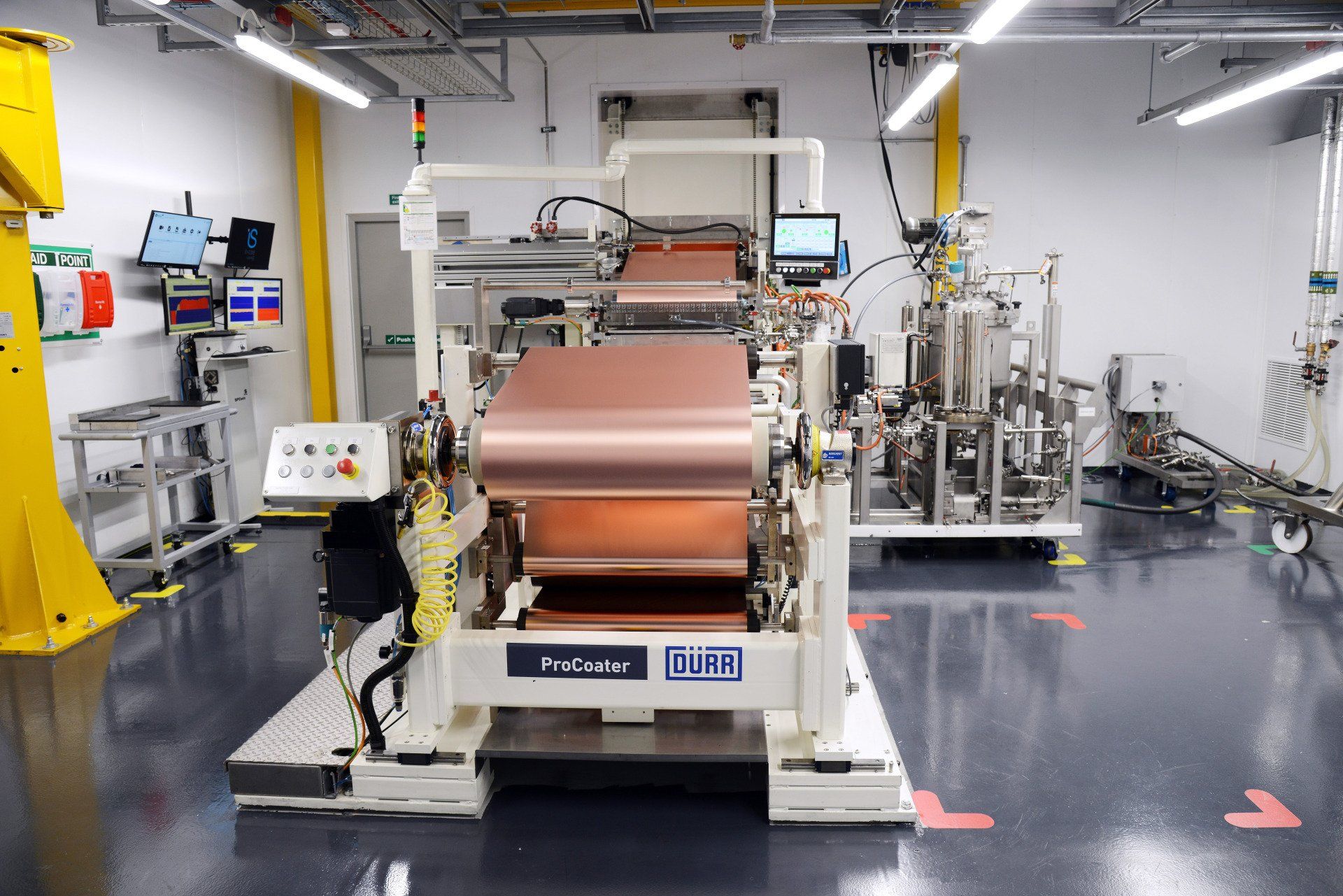
Carbon-Coated Gr1 Titanium Foil for Solid-State Batteries

Key order information
REQUEST A QUOTE →
CUSTOM SUPPLYCarbon-coated Gr1 foilDimensions and coating pattern to specification
PRODUCTION CAPACITY3,000 t per yearFoil and precision strip production; coated foil capacity confirmed separately
LEAD TIMEConfirmed with quoteBased on size, quantity and route
SAMPLE SUPPORTRequest a sampleFor electrode and cell development

Carbon-Coated Gr1 Titanium Foil Overview

1. Carbon-Coated Titanium Foil for Battery Electrodes

Titanium Valley manufactures carbon-coated Gr1 titanium foil with uniform carbon coverage, good electrical conductivity and strong coating adhesion. The product combines a thin commercially pure titanium substrate with a conductive carbon layer for battery current collectors, electrode processing and solid-state battery development.

Our production focus is the quality of the coated interface: an even working surface, dependable electrical contact and a carbon layer that remains firmly bonded to the foil. These characteristics give customers a consistent material surface for subsequent electrode fabrication.

2. Uniform Coating for a Consistent Interface

Uniform carbon coverage gives the electrode-facing surface consistent characteristics across the coated zone. Control of coating distribution, appearance and alignment helps limit exposed substrate, visible particles and local coating buildup.

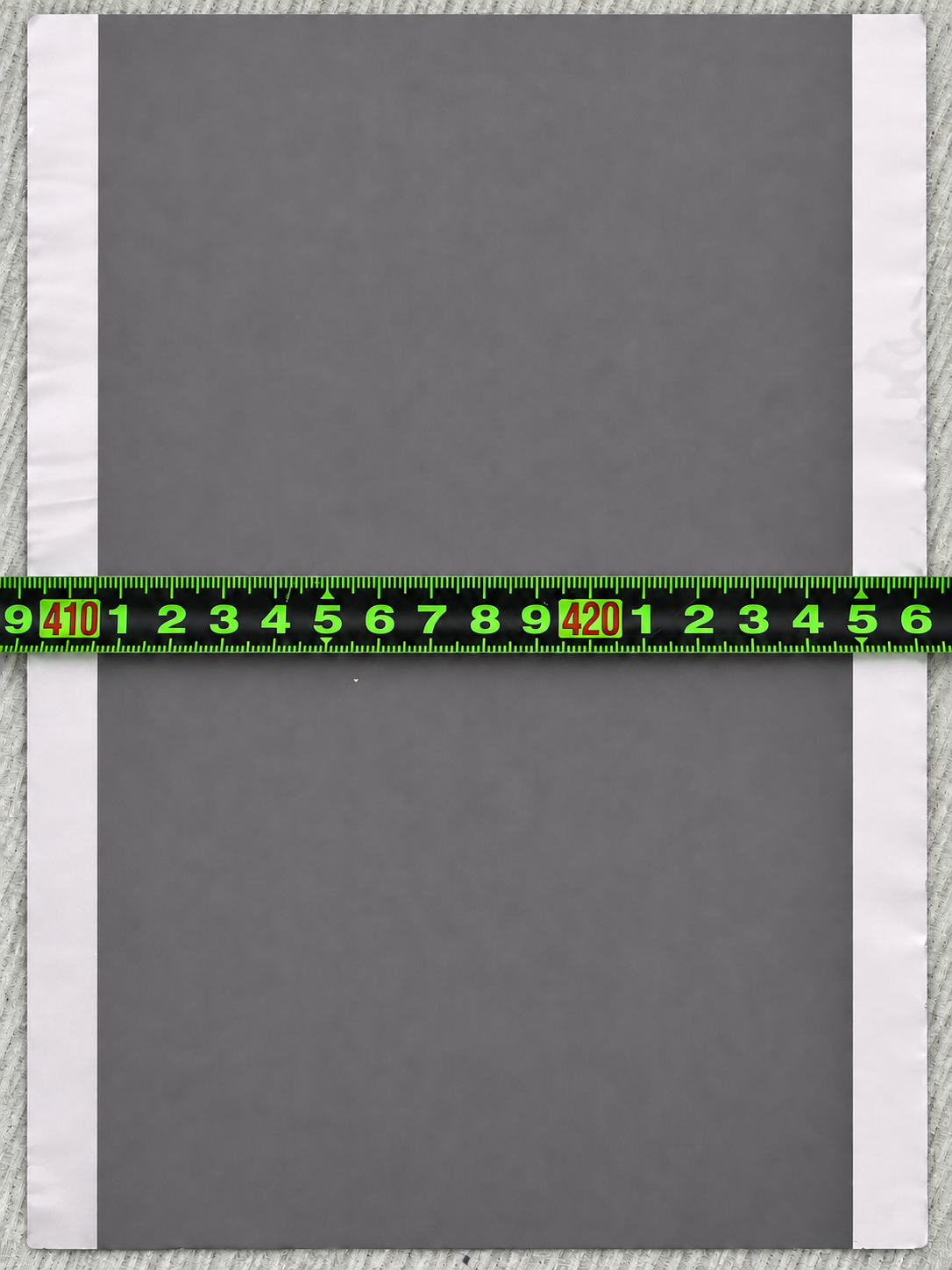
An evenly coated surface supports consistent contact with the electrode material and repeatable downstream processing. Defined coated areas and uncoated margins provide a practical combination of functional carbon coverage and connection zones within the foil layout.

3. Good Electrical Conductivity

The conductive carbon layer provides an electrical interface between the Gr1 titanium foil and electrode material. Continuous coverage helps maintain electrical contact across the working area, supporting the foil’s role as a battery current collector.

We control surface resistance alongside coating coverage and adhesion, bringing electrical function and coating integrity into the same production process. The emphasis is on a conductive electrode-facing surface supported by thin titanium foil.

4. Strong Coating Adhesion

Strong bonding between the carbon layer and titanium substrate helps maintain coating integrity during handling, winding and downstream foil processing. A firmly attached coating helps limit lift-off and the formation of exposed areas at the electrode interface.

Keeping the carbon layer securely attached helps preserve the intended coated area as the material moves through electrode fabrication. We consider uniformity, conductivity and adhesion together to produce a coherent, functional coated-foil surface.
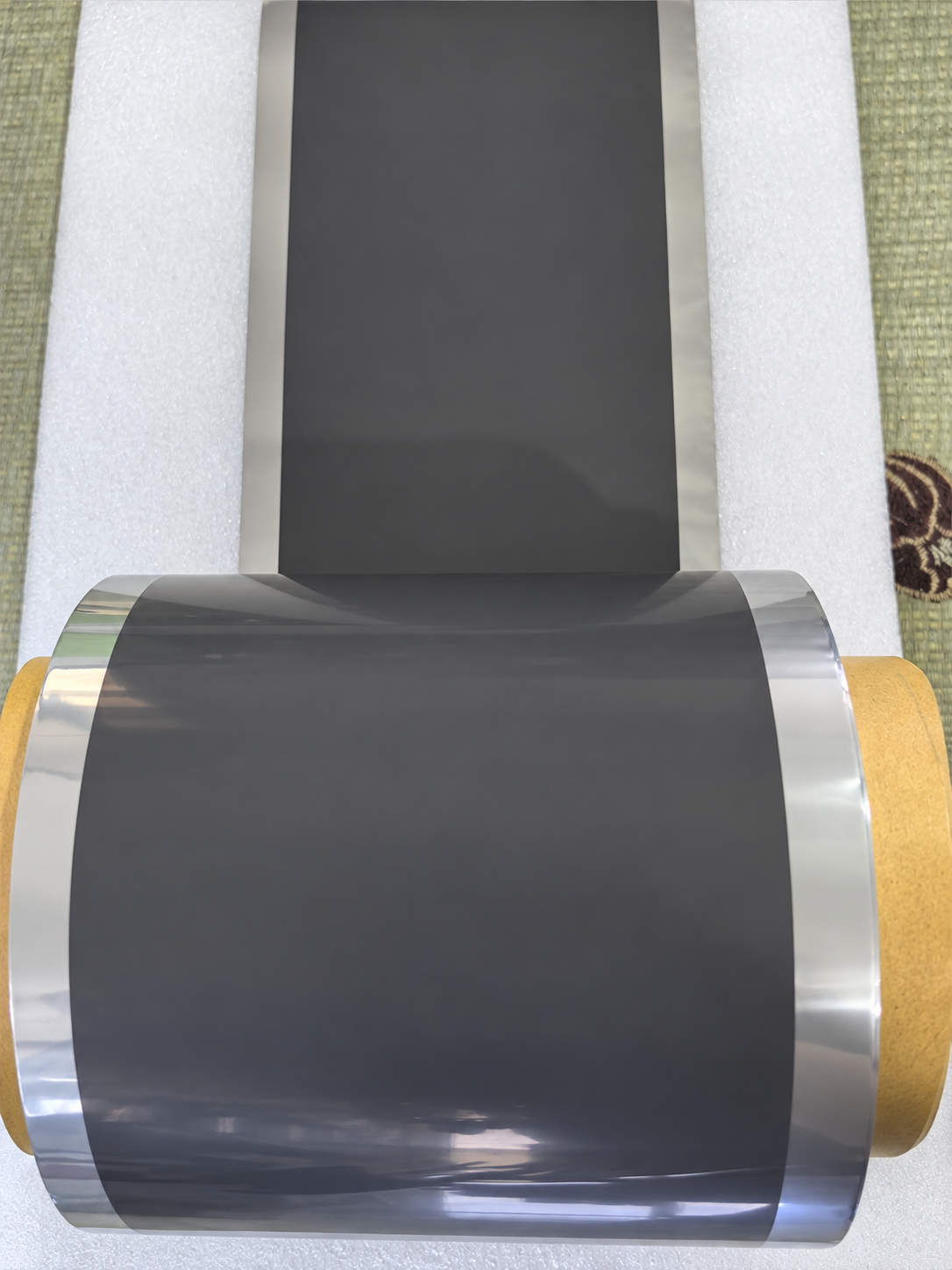
Gr1 carbon-coated titanium foil roll
Carbon-coated Gr1 titanium foil roll
Gr1 carbon-coated titanium foil surface and uncoated margins
Coated surface and uncoated margins

Technical Specifications

Reference Batch26081002
Inspection DateAugust 25, 2026
Test itemQuality requirementReference result
Product AppearanceFlat foil with no edge curling or obvious burrs. Uniform carbon coverage, free of bare spots, pits and protruding particles.Pass
Thickness (μm)10 ± 110
Width (mm)150 ± 1150
Titanium Substrate GradeGr1Gr1
Coating MethodContinuous / IntermittentContinuous
Coating Layout & Alignment (mm)Coated width and uncoated margins to the agreed drawing. Coated-zone tolerance: ±0.5 mm; uncoated-margin tolerance: ±1 mm; alignment tolerance: ±0.5 mm.Recorded alignment deviation: 0.4 mm
Total Thickness of Carbon-Coated Foil (μm)12 ± 112
Areal Density of Carbon-Coated Foil (g/m²)45.06 ± 246.82
Carbon Coating Areal Density (g/m²)0.8 ± 0.20.62
Carbon Coating AdhesionCross-cut adhesion: ISO class 1 / ASTM class 4BNo peeling
Coating UniformityNo bare substrateNo bare substrate
Carbon Coating ColorBlack / GreyGrey
Surface Tension of Carbon Coating (Dyne)≥50 dyn66
Surface Resistance of Substrate Foil (mΩ)≤8055
Surface Resistance of Coating (mΩ)≤6048
Joints (Qty.)00
Pinholes (pcs/m²)Diameter 100~300μm, ≤3/m²0
Deformation DefectNo sagging, looseness or concave/convex deformation after suspending a 2 m length of coated foil.Pass
Environmental RequirementCompliant with RoHSPass
Product PackagingProtective bubble packaging, no product damage and a clearly visible carton label.Pass
READY TO SOURCE?Have a specification ready?Send thickness, width, condition and quantity for a delivery review.

Key Features

  • 01Uniform Carbon CoverageEven coverage across the specified coating zone creates a consistent electrode-facing surface and helps limit exposed titanium areas.
  • 02Good Electrical ConductivityThe conductive carbon layer provides an electrical contact surface between the titanium foil and electrode material.
  • 03Strong Coating AdhesionA firmly bonded carbon layer helps maintain surface integrity during handling, winding and subsequent foil conversion.
  • 04Thin Gr1 Titanium SubstrateCommercially pure Gr1 titanium foil provides the metallic support for the carbon-coated current-collector configuration.
  • 05Defined Coating LayoutsContinuous or intermittent coated zones and uncoated margins can be specified around the electrode and connection layout.
  • 06Controlled Foil GeometryAttention to finished thickness, coated width, alignment and foil flatness supports consistent handling and downstream electrode processing.

Manufacturing Advantages

  • Surface appearance control
  • Annealing process control
  • Surface cleaning
  • Dimensional inspection
  • Foil flatness control
  • Precision slitting

Applications & Solutions

Custom Processing Capabilities

COATING COVERAGEUniform
ELECTRICAL SURFACEConductive
COATING ADHESIONStrong

1. Foil Dimensions & Coating Geometry

The coated-foil configuration brings together substrate thickness, finished thickness, foil width and coating layout. Continuous or intermittent coating patterns, coated widths and uncoated margins can be defined around the electrode design.

Alignment, connection zones and dimensional tolerances are coordinated within the finished product specification, helping the functional carbon area and exposed titanium margins fit the downstream processing and assembly route.

2. Coil Format & Surface Protection

Coil format, winding direction and slitting or cut-length requirements form part of the supply configuration. These details help align the coated material with the handling equipment and electrode production route.

Surface appearance, coating continuity, edges and foil flatness are considered together. Protective packaging helps preserve the coated surface and foil shape during storage and transportation.

3. Samples & Production Supply

Material samples provide a practical starting point for electrode processing and cell development. A defined foil and coating specification then provides a consistent basis for subsequent supply and repeat orders.

Contact Titanium Valley for a carbon-coated Gr1 titanium foil sample or quotation. Our team can coordinate foil dimensions, coating layout, quantity, delivery planning and material documentation within one product inquiry.