
Zirconium Alloy Plate Supplier: Supply Scope and Inspection
- Zirconium Alloy Plate Supplier
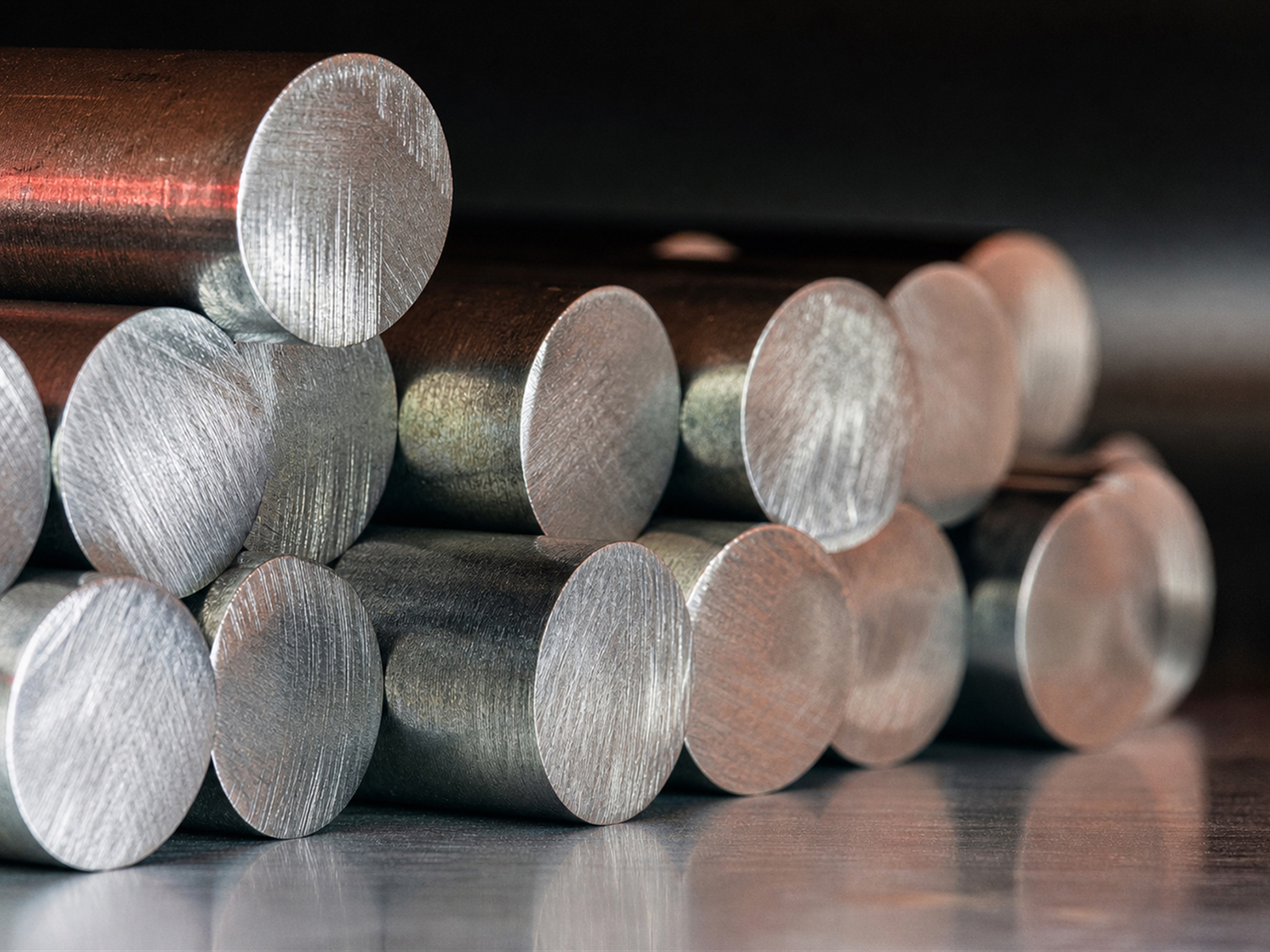
A zirconium alloy plate supplier quotation should identify the offered grade, dimensions, condition and inspection scope. Confirm the actual offer before starting a detailed technical or commercial comparison.
1. Selection and Acceptance Decisions
- Ask for the quoted plate size range, cutting options, delivery condition and surface acceptance in writing.
- Request an anonymized example report and define the chemistry, mechanical and added inspection data required with the shipment.
- Identify the material source, processing route and responsibility for traceability and third-party inspection where requested.
Send a specification for this material with the grade, dimensions, quantity, intended use and the acceptance details listed above. Ask for confirmation of the quoted size, condition and documentation.
2. Grades the Supplier Should Cover
Grade | UNS | Tensile (min, annealed) | Elongation (min) | Position |
Zr702 | R60702 | ≥ 379 MPa (55 ksi) | 16% | Commercial pure — reducing-acid service |
Zr705 | R60705 | ≥ 552 MPa (80 ksi) | 16% | Zr-2.5Nb — higher strength and temperature |
Zr704 | R60704 | ≥ 413 MPa (60 ksi) | 14% | Zr-Sn-Fe-Cr — high-temperature corrosion alloy |
Table 1 — Annealed minimums per ASTM B551 for the flat-product zirconium grades.
3. The RFQ That Gets Comparable Quotes
Send identical fields to every candidate: grade + UNS; thickness, width and length with tolerance bands; surface condition; edge condition; standard + edition (B551, plus ASME SB-551 where the pressure code applies); documentation (MTR per plate, EN 10204 3.1/3.2 class, UT report); quantity and delivery. Only identical fields produce comparable quotes. Custom size, condition, tolerance and documentation can be reviewed to the purchase specification.
Red Flags
- No O/N/H values on the certificate — the chemistry that decides zirconium quality;
- Inability to produce historical batch data (3–5 heats) showing tensile spread;
- Plate quoted without naming the thickness tolerance band;
- No ultrasonic capability for thick plate;
- Vague standard references (“meets B551”) without edition and grade.
FAQ
(1) What certifications should a zirconium plate supplier hold?
ISO 9001 as baseline; ASME material-organization practice for pressure-vessel plate; ISO 13485 only if medical components are supplied. Match certificates to the market you buy for.
(2) How do I verify the plate really is Zr702?
Check the MTR: heat number, full chemistry including Zr+Hf ≥ 99.2%, Hf ≤ 4.5%, Fe+Cr, O, N, H; tensile and elongation for the thickness; standard edition. Any blank field is a query, not a pass.
(3) Should the supplier melt its own ingots?
Melting capability improves chemistry and traceability control, but qualified converters buying certified ingot also perform — audit the upstream material chain either way.
(4) What is the typical lead time for alloy plate?
Zirconium plate is largely made to order; expect weeks for standard gauges and longer for heavy plate or special tolerances. Fix the delivery schedule in the contract.
(5) Is third-party testing available?
Yes — specify it in the order. Independent verification of chemistry and tensile is standard practice for critical chemical-equipment programs. Custom size, condition, tolerance and documentation can be reviewed to the purchase specification.
Related Resources and Inquiry
See the zirconium plate category or send your specification to start a supplier review.
Baoji Titanium Valley Titanium Nickel Zirconium Material Processing Co., Ltd. produces zirconium foil, strip, sheet and plate per ASTM B551/B551M (R60702 / R60705) from vacuum-melted ingots on a 750 mm 20-high precision rolling line under ISO 9001 / ISO 13485. Send your specification to sales@titaniumvalleys.com — Custom size, condition, tolerance and documentation can be reviewed to the purchase specification.
4. Related Reading
- Zirconium 702 Plate: Service Review and Fabrication
- Zirconium 705 Plate: Comparing Strength and Fabrication Needs
References
1. ASTM B551/B551M, Standard Specification for Zirconium and Zirconium Alloy Strip, Sheet, and Plate.
2. ASTM E8/E8M, Standard Test Methods for Tension Testing of Metallic Materials.
3. EN 10204, Metallic Products — Types of Inspection Documents.
This article is a technical reference. It does not constitute a commercial offer; dimensions, tolerances and documentation are confirmed at order review.
Published by: Titanium Valley Technical Team. Technical and quality review: pending.